
Childhood obesity: causes, consequences, and prevention
Childhood obesity is excess body fat that harms health. This article explains measurement, causes, health effects, prevention strategies, and public health concerns for children and adolescents.
Overview: Childhood obesity refers to an excess of body fat in children and adolescents that interferes with health or development. Clinicians typically use growth charts and body mass index (BMI) percentiles rather than absolute weight alone to assess excessive fat for age and sex. For a basic definition of excess body fat see definition, and for general information about obesity see obesity resources.
Image gallery
7 Images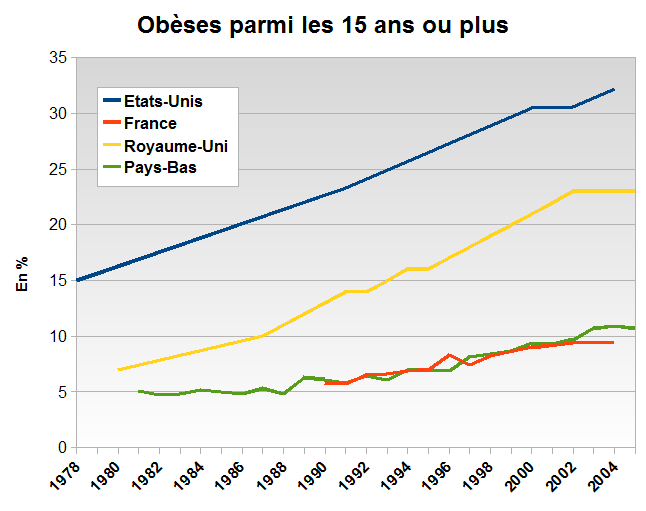


Characteristics and measurement
Health professionals classify weight status in young people using BMI relative to growth charts, physical examination, and sometimes laboratory tests when coexisting medical concerns are suspected. Signs that adiposity may be affecting health include early signs of insulin resistance or elevated blood pressure. Assessment considers growth patterns, family history, and developmental stage.
Causes and risk factors
- Energy imbalance: prolonged consumption of more calories than expended through activity and basal metabolism.
- Dietary patterns: frequent intake of calorie-dense, nutrient-poor foods and sugary beverages.
- Physical inactivity: sedentary behaviour and reduced opportunities for active play.
- Biological factors: genetics, prenatal influences, and some medical conditions or medications.
- Social determinants: household income, neighbourhood safety, food availability, and cultural patterns.
Health consequences and complications
Children with excess adiposity are at increased risk of developing metabolic and cardiovascular problems. Known associations include Type 2 diabetes in adolescence, elevated cholesterol, and conditions once rare in youth such as heart disease, stroke and high blood pressure. Psychological effects such as low self-esteem, bullying, and social withdrawal are also important considerations.
Prevention and management
Effective strategies combine family-based lifestyle changes, school and community supports, and public policy measures. Recommended actions emphasize balanced diets, regular physical activity, limiting screen time, and consistent sleep schedules. Interventions are most effective when coordinated across caregivers, schools, and health services and tailored to a child’s age and needs.
Public health context: Rates of childhood overweight and obesity have risen in many regions over recent decades, prompting population-level responses such as nutrition labeling, school meal improvements, and community design that encourages active transport. Addressing childhood obesity requires attention to equity, since risk often clusters where resources and access are limited.
Related articles
Author
AlegsaOnline.com Childhood obesity: causes, consequences, and prevention Leandro Alegsa
URL: https://en.alegsaonline.com/art/19661