
Churchill College, Cambridge
A modern college of the University of Cambridge founded in 1960 and named for Winston Churchill; noted for its modernist campus, science focus, the Churchill Archives Centre, and early coeducation.
Churchill College is a constituent college of the University of Cambridge in England. Established in the mid-20th century, it opened to students in 1960 and was named for Sir Winston Churchill, who led the fund-raising initiative that made the college possible. Today it is one of the larger Cambridge colleges, with a substantial undergraduate and postgraduate population and a distinctive emphasis on science, engineering and technology alongside a full range of arts and social science subjects.
Image gallery
10 Images





History and founding
The idea for a new, modern college emerged in the late 1950s when a group of supporters organised to secure funding and an appropriate site. The fundraising campaign, associated with Winston Churchill, resulted in the creation of a college intended to respond to post-war educational needs, particularly in the sciences. Churchill College admitted its first students in 1960 and took an early lead in widening access: it became the first Cambridge college to admit female students in 1972, a significant step in the university's move toward full coeducation.
Architecture, buildings and collections
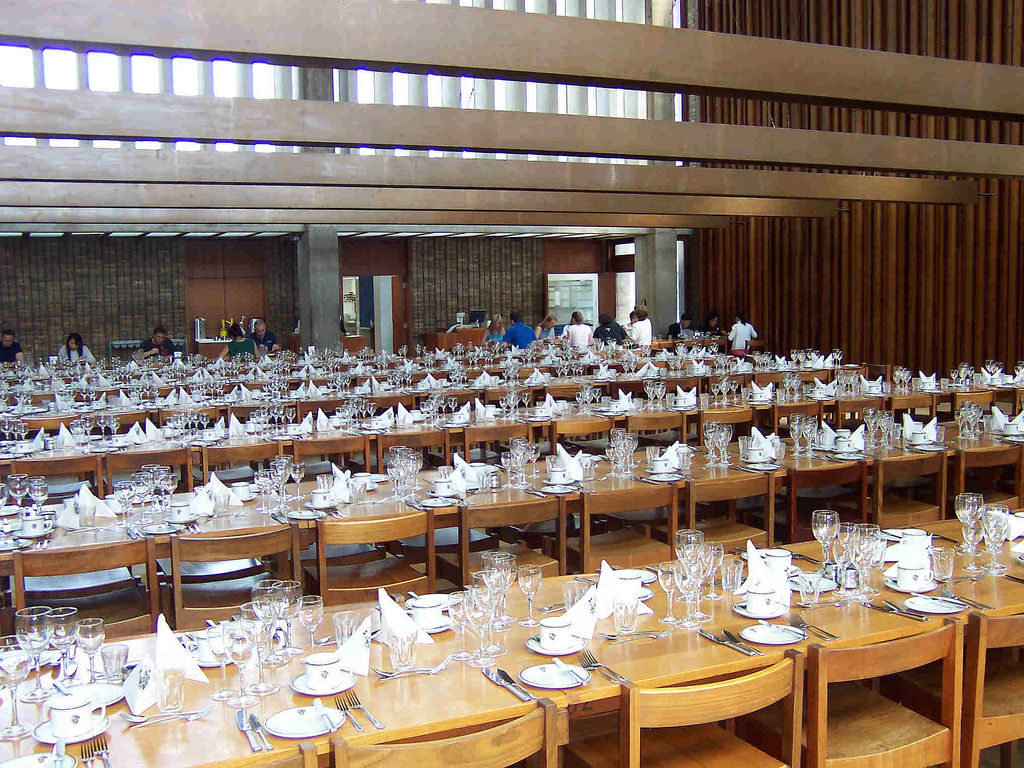
Built during the 1950s and 1960s, Churchill College is noted for its modernist architecture and spacious grounds that differ from the medieval courtyards familiar elsewhere in Cambridge. The site includes teaching rooms, laboratories, residential blocks, a modern library and social facilities. A major feature of the college is the Churchill Archives Centre, a repository for the papers of Winston Churchill and many other twentieth-century figures, which supports historical research and public exhibitions.
Academic life and community
The college has a reputation for strength in the natural sciences and engineering, and it hosts many students pursuing those fields as well as those in the humanities and social sciences. Its community comprises undergraduates, a large graduate body and a fellowship of academics involved in teaching and research. Facilities support seminars, lectures and interdisciplinary research, and the college plays an active role in the university’s broader research environment.
Notable aspects
- Early and formal commitment to science and technology education.
- Ownership of the Churchill Archives Centre, a significant research resource.
- One of the first Cambridge colleges to admit women, in 1972.
- Modernist campus layout with extensive grounds and purpose-built facilities.
As a relatively young college within an ancient university, Churchill College combines twentieth-century design and archival legacy with active participation in contemporary research and education. It continues to attract students and scholars drawn by its scientific orientation, its resources for historical study, and its role in the evolving collegiate life of Cambridge. For institutional information, academic programmes and visiting details consult the college or university pages linked above.
Related articles
Author
AlegsaOnline.com Churchill College, Cambridge Leandro Alegsa
URL: https://en.alegsaonline.com/art/20324