
South Side, Chicago — overview, neighborhoods, history and significance
Comprehensive overview of Chicago’s South Side: geography, neighborhoods, history, demographics, culture, and notable facts, with links to major areas and landmarks.
Overview
The South Side is one of the principal sections of Chicago, located within the U.S. state of Illinois and Cook County (map and administration). Historically defined as the portion of the city lying south of the main branch of the Chicago River, contemporary usage typically excludes the downtown Loop. The South Side covers a broad area of residential, industrial and parkland terrain and contains many distinct neighborhoods with different built environments, population patterns and local traditions.
Image gallery
10 Images
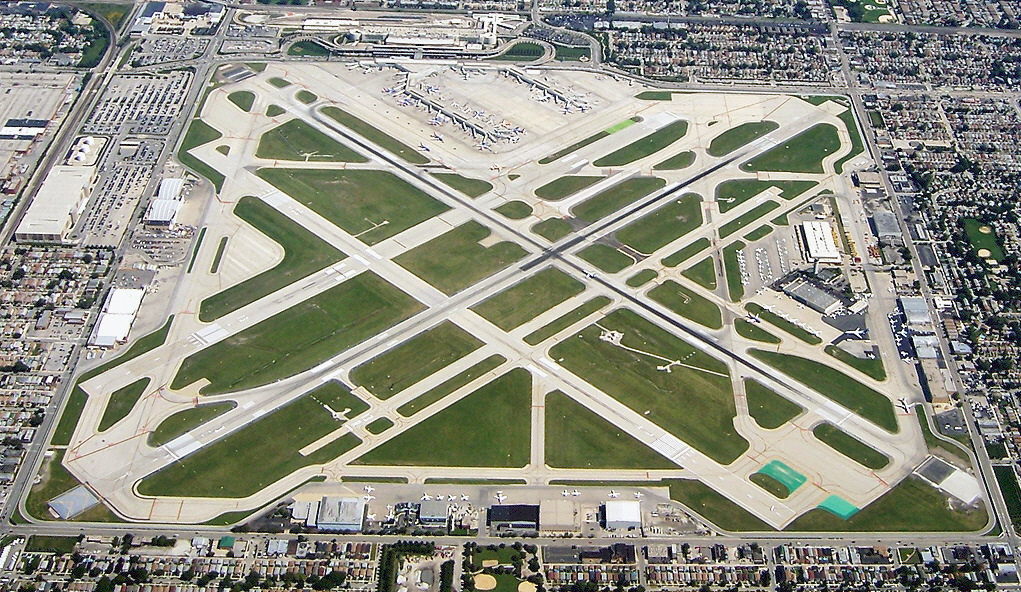


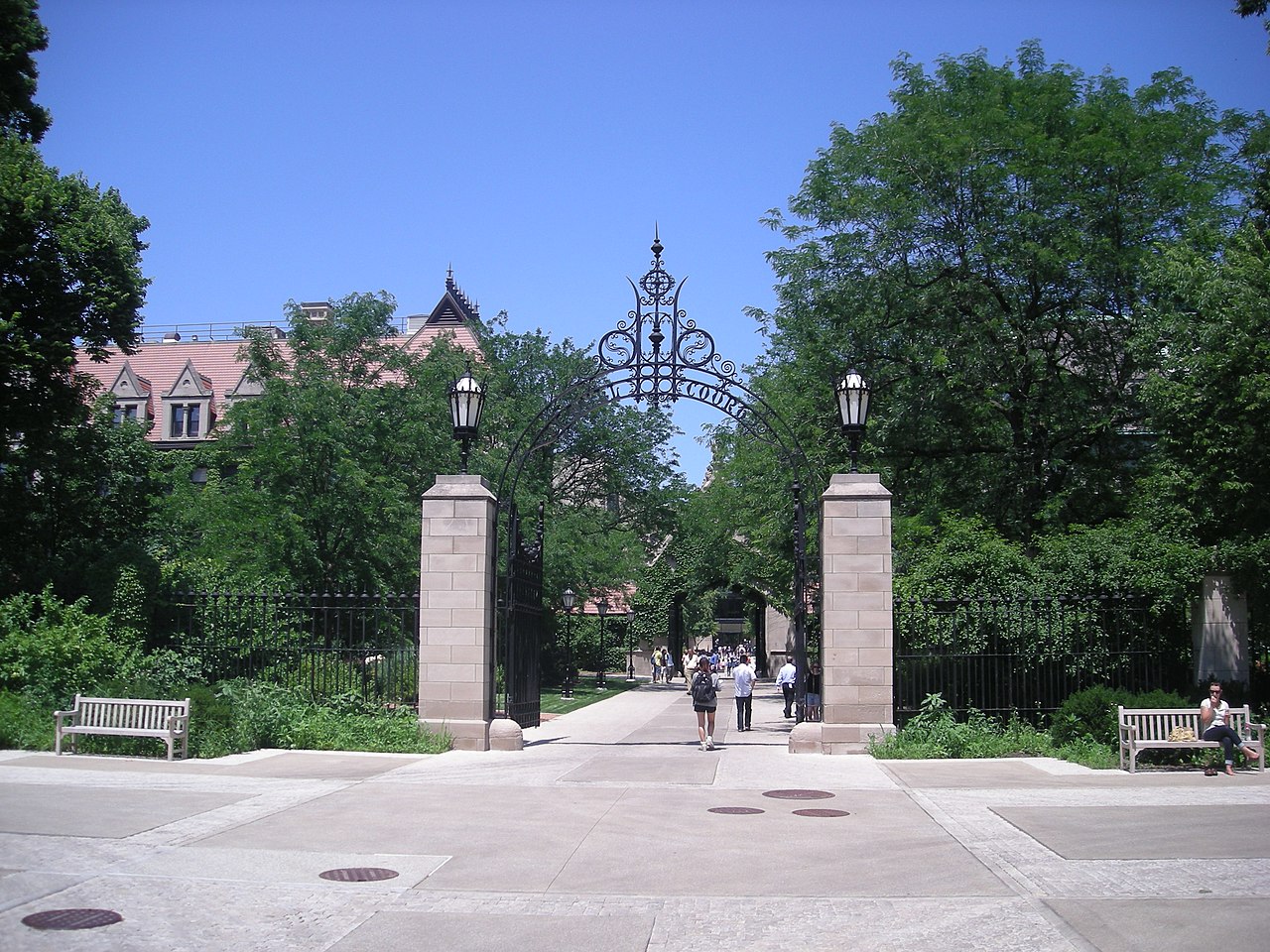

Geography and neighborhoods
The South Side stretches from the central riverfront and lakefront areas to the city’s southern limits. It includes a mixture of high-density corridors and quieter, single-family districts, and it is anchored by major parks along the lake. Neighborhoods often cited as part of the South Side include classic industrial and working-class areas as well as affluent residential enclaves.
Other neighborhoods with long-standing residential character include Hyde Park, Kenwood, Beverly, Mount Greenwood and West Morgan Park. These areas differ in housing stock, income, and institutions; for example, Hyde Park is home to major educational and cultural institutions.
History and development
The South Side grew as Chicago expanded in the 19th and early 20th centuries. Industrial development, transportation links and the presence of the lakefront parks all shaped settlement patterns. Large employer complexes and rail connections promoted working-class neighborhoods, while some pockets developed into wealthier enclaves with distinctive architecture. Waves of immigration and internal migration altered the social composition of many neighborhoods over time.
Culture, institutions and significance
The South Side has contributed substantially to Chicago’s cultural life: it has been central to musical movements, community organizing, and educational institutions. Parks, museums, and university campuses create civic resources used by residents across the city. Neighborhood festivals, local businesses, and sports venues also form part of the area’s identity.
Notable facts and distinctions
The South Side contains sites of national and local importance. Some neighborhoods are known for preserved historic districts and planned labor-era communities; others are recognized for their roles in manufacturing and transportation. The area has produced prominent public figures and residents, including former U.S. President Barack Obama, who lived in the South Side while associated with local institutions. Contemporary policy discussions about the South Side often focus on equitable investment, housing, and economic opportunity.
Further reading and resources
For maps, demographic profiles and neighborhood guides, consult city planning pages and local historical organizations. Related municipal resources and community portals provide current information on services and development initiatives across the South Side.
Related articles
Author
AlegsaOnline.com South Side, Chicago — overview, neighborhoods, history and significance Leandro Alegsa
URL: https://en.alegsaonline.com/art/92220
Sources
- encyclopedia.chicagohistory.org : "Annexation"
- encarta.msn.com : "Chicago (city, Illinois)" · web.archive.org
- chipublib.org : "The Municipal Flag of Chicago"
- egov.cityofchicago.org : "Chicago Demographics: Median Household Income (as of the 2000 Census)"