
Johnny Torrio: Architect of Modern Organized Crime in Chicago
Johnny Torrio (1882–1957) was an Italian-American mob leader who built and organized the Chicago Outfit, mentored Al Capone, and promoted syndicate-style cooperation among U.S. crime groups.
Overview
John "Johnny" Torrio (born February 1882 — died April 16, 1957) was an Italian-American criminal organizer credited with turning scattered gangs into a more businesslike and centralized enterprise that became known as the Chicago Outfit. Torrio preferred negotiation and structure over continuous street warfare; his methods helped shape organized crime in the United States during Prohibition and afterward. For further background on Torrio's public life see biographical resources.
Image gallery
3 Images

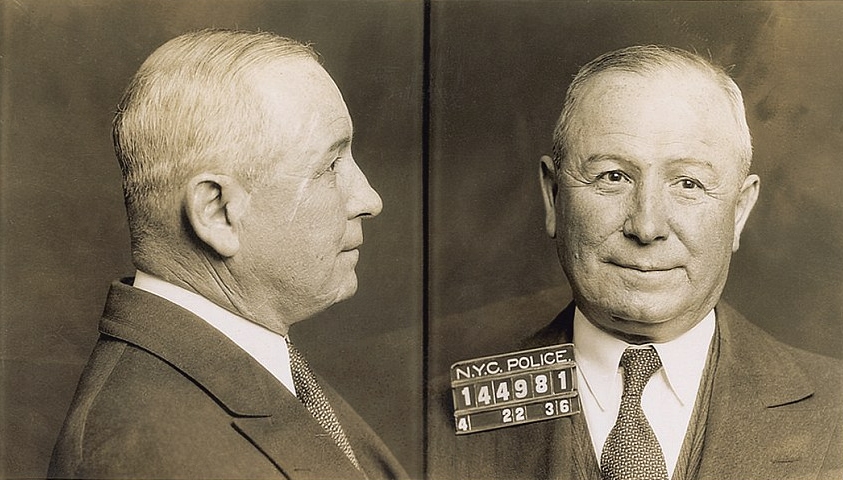
Career and key actions
Born in Italy and raised in Brooklyn, Torrio worked in saloons, gambling operations, and protection rackets before relocating to Chicago in the 1910s. He established networks that profited from illegal liquor during Prohibition, gambling, and other vice industries. Torrio recruited and promoted talent, most famously Al Capone, whom he groomed as an enforcer and manager before passing leadership to him. The organization he built is often called the Chicago Outfit; contemporary summaries and historical overviews refer to its growth and consolidation in that era (Outfit history).
Organization and methods
Torrio is noted for preferring pragmatic, corporate-style arrangements: dividing territories, negotiating truce agreements, and creating financial controls that reduced violent infighting. He encouraged cooperation between ethnic factions and later advocated for broader national coordination among crime groups. His ideas contributed to early forms of the so-called National Crime Syndicate and influenced later crime families; a concise discussion of syndication appears at syndicate overview.
Notable events and legacy
In the mid-1920s Torrio survived an assassination attempt in which he was shot several times; within a short time he withdrew from day-to-day leadership and handed control of his Chicago operations to Al Capone, who expanded them dramatically. Torrio continued to exert influence behind the scenes, advising other organized crime leaders and helping to broker alliances. His role as a mentor and strategist is often contrasted with the more flamboyant and violent public image of his successor; see material on Capone and the transition at Capone relations.
Later life, influence, and death
After leaving active command in Chicago, Torrio remained connected with national and New York–based families, acting as adviser to powerful groups including the Genovese organization. He is associated with efforts to reduce open warfare among gangs by encouraging negotiated settlements and shared arrangements for illegal markets. Torrio died of a heart attack in Brooklyn in 1957. For context on his final years and connections to New York families, consult organized-crime networks and local histories at regional archives.
Characteristics and significance
- Preferred bureaucratic and financial approaches to crime rather than constant violence.
- Instrumental in the rise of the Chicago Outfit and in mentoring Al Capone.
- Played a role in early attempts to coordinate criminal enterprises nationally.
Torrio's influence is viewed as a turning point: he helped move American organized crime toward the structured, franchise-like systems that dominated mid-20th-century illicit markets. Scholars and chroniclers continue to analyze how his strategies shaped the balance between violent enforcement and negotiated control among criminal groups.
Related articles
Author
AlegsaOnline.com Johnny Torrio: Architect of Modern Organized Crime in Chicago Leandro Alegsa
URL: https://en.alegsaonline.com/art/122324