
American Mafia (Cosa Nostra): organization, activities, and history
An overview of the Italian‑American criminal organization known as the American Mafia or Cosa Nostra: its structure, common activities, geographic strongholds, history, law‑enforcement response and cultural impact.
The American Mafia, often called the Mob or Cosa Nostra by its members, is a network of Italian‑American organized crime groups that developed in the United States in the late 19th and early 20th centuries. It traces cultural and structural roots to the Sicilian Mafia and is commonly discussed as part of broader organized crime in the United States. The organization does not have a single formal name; instead it comprises semi‑autonomous families and crews that follow a shared set of codes, practices and terminology.
Image gallery
10 Images


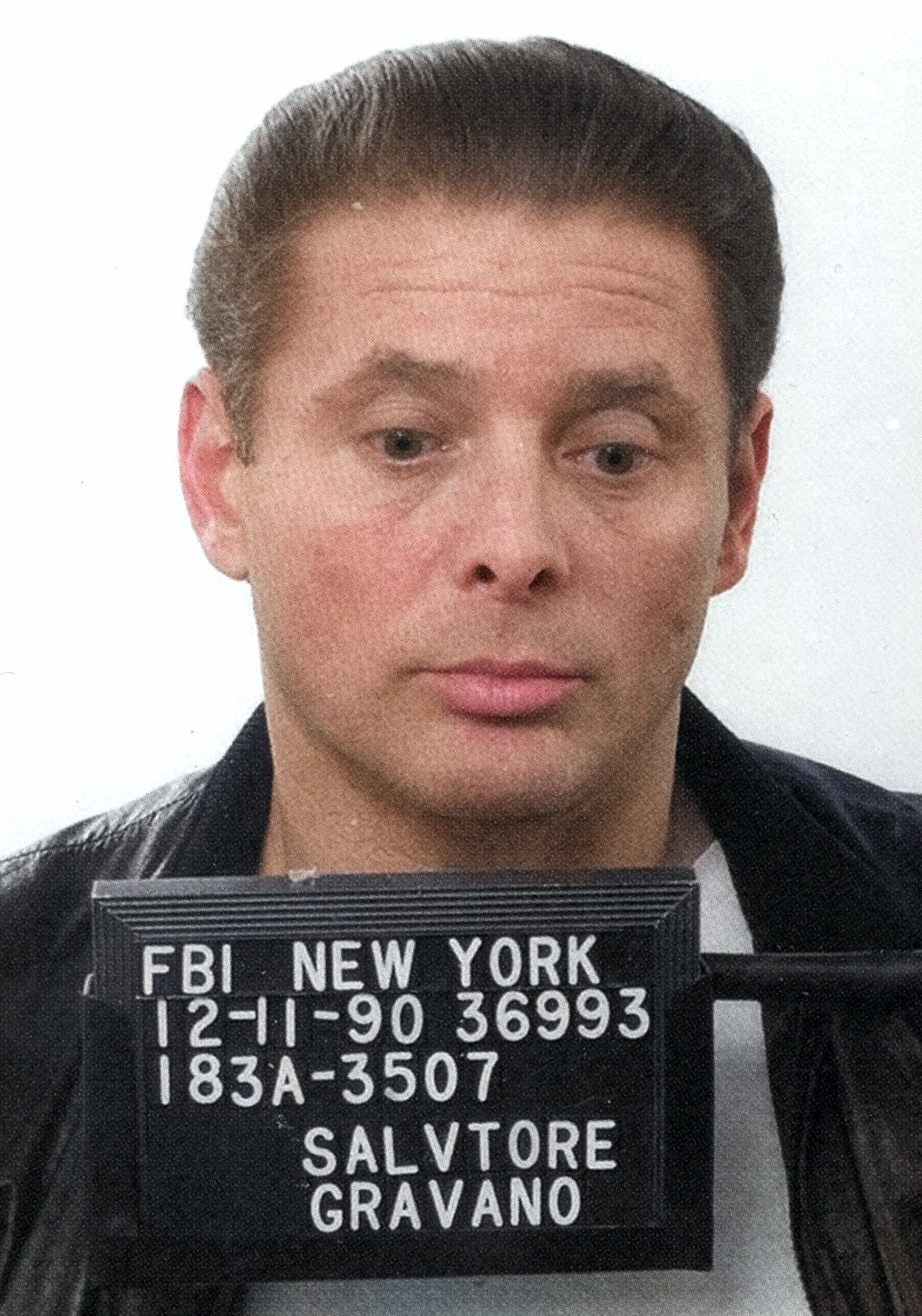


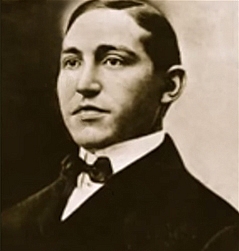
Organization and internal roles
Most Mafia families are organized along a hierarchical model inherited from Sicilian traditions. A typical family is led by a boss supported by an underboss and an advisor or consigliere. Below them are caporegimes (captains) who run crews of soldiers; many people who work with or for a family are considered associates rather than fully initiated members. The organization relies on secrecy, a code of conduct (including prohibitions against cooperating with authorities) and a system of internal arbitration to manage disputes and enforce decisions.
Common activities and criminal enterprises
The American Mafia has been involved in a variety of illegal enterprises intended to generate revenue and control territory. Traditional rackets include:
- Extortion and protection rackets
- Illegal gambling operations
- Loan sharking and usury
- Labor racketeering and influence over unions
- Illicit trafficking (historically including narcotics and contraband)
- Money laundering and infiltration of legitimate businesses
Over time many groups adapted to changing opportunities and law‑enforcement pressure by expanding into white‑collar fraud, real‑estate schemes and other financial crimes while continuing some traditional activities.
Geographic presence and notable centers
While families have operated across the country, the American Mafia has been particularly associated with several cities and regions. Notable centers include:
- New York City — historically the largest concentration of families and activity
- Philadelphia
- New England — including organized groups in parts of Massachusetts and Connecticut
- Detroit
- Chicago
- Smaller families and crews in states such as Texas and Los Angeles
These locations reflect historical migration patterns, access to ports and commercial centers, and opportunities to control certain industries or neighborhoods.
History, law enforcement response and current status
The organization rose to broader public visibility during Prohibition and the mid‑20th century when control of bootlegging, gambling and unions brought wealth and influence. Beginning in the late 20th century, coordinated law‑enforcement strategies, the introduction of statutes such as the Racketeer Influenced and Corrupt Organizations (RICO) Act, sustained prosecutions, and the use of cooperating witnesses led to convictions of many senior figures and weakened traditional structures. Informants and wiretaps altered how families operated.
Despite periodic reports of its demise, elements of the American Mafia persist in reduced form. Families continue to engage in illegal enterprises while some members also infiltrate legitimate sectors. Law enforcement and scholarly assessments describe the organization today as diminished compared with its mid‑century peak but still active in certain regions and markets.
Legacy and public perception
The American Mafia has had a disproportionate cultural presence in literature, film and news coverage, shaping public ideas about organized crime. Its history illustrates how immigrant communities, economic opportunity, illicit markets and organized violence intersect. Discussions about the Mafia today often distinguish between historical power and contemporary, more diffuse criminal networks that share some methods but operate in a changed legal and technological environment.
For further general context about organized crime and regional developments, see related sources and historical studies that examine both the criminal practices and the social conditions that fostered them.
Tags
Related articles
Author
AlegsaOnline.com American Mafia (Cosa Nostra): organization, activities, and history Leandro Alegsa
URL: https://en.alegsaonline.com/art/3444