
Mohs scale of mineral hardness
A descriptive overview of the Mohs scale: its origin, the ten reference minerals, how the scratch test works, practical uses, and limitations for modern hardness measurement.
Overview
The Mohs scale of mineral hardness is a qualitative ordinal scale that ranks common minerals by their ability to scratch one another. It was developed in the early 19th century by the German mineralogist Friedrich Mohs and is widely known simply as the Mohs scale. Rather than reporting absolute values, the scale assigns integers from 1 to 10 to representative minerals so that each can be used as a field reference for relative hardness.
Image gallery
10 Images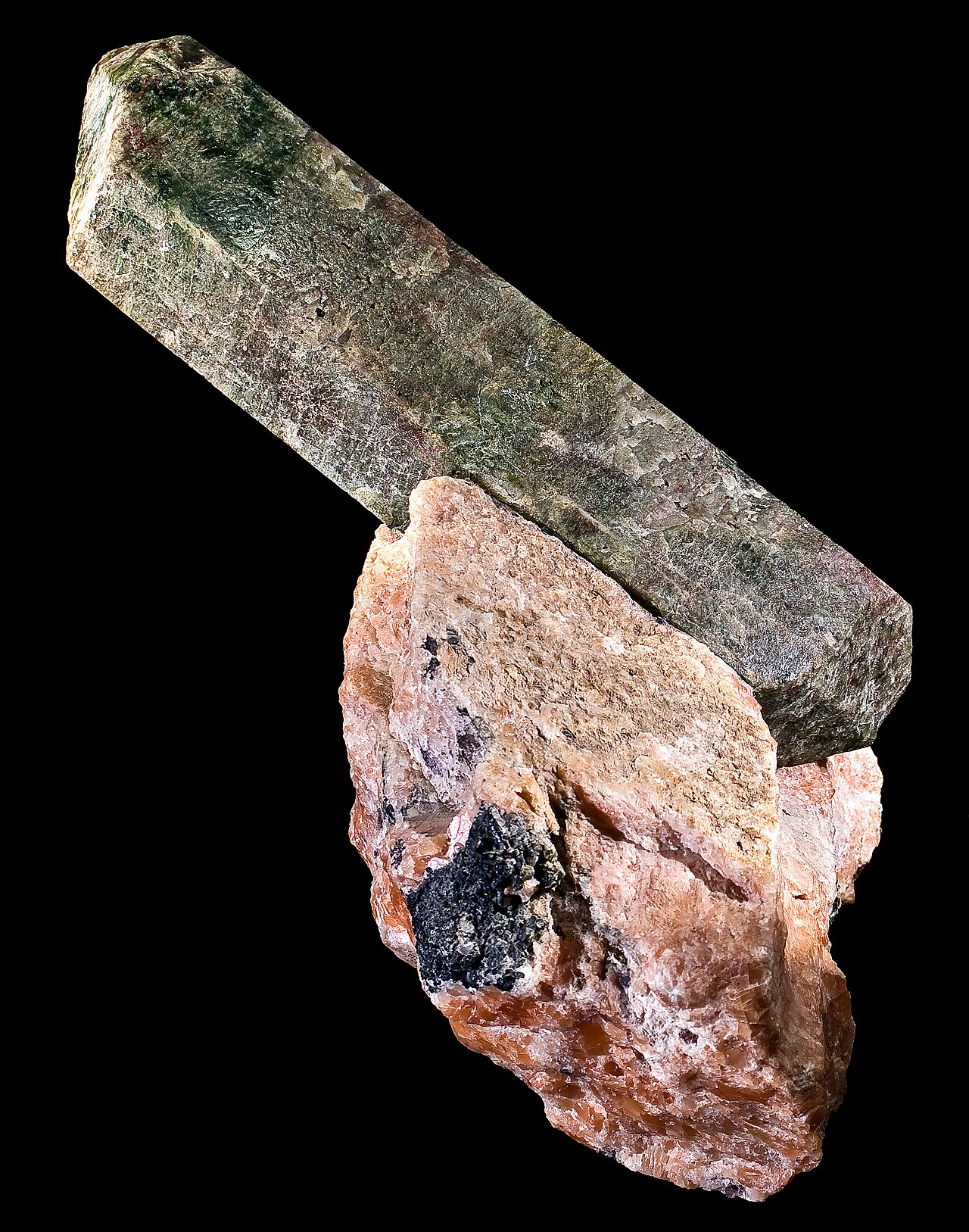






How the scale works
The test behind the scale is straightforward: a mineral that can scratch another is considered harder. The procedure is practical for fieldwork because it requires no complex equipment — just a set of reference specimens or common objects of known hardness. The property being tested is resistance to surface deformation by scratching, which depends mainly on the strength and nature of atomic bonding in the mineral and to some extent on structure and impurity content.
The ten reference minerals
- 1 – Talc: very soft, can be scratched by a fingernail; often greasy to the touch.
- 2 – Gypsum: soft but harder than talc; common in sedimentary settings.
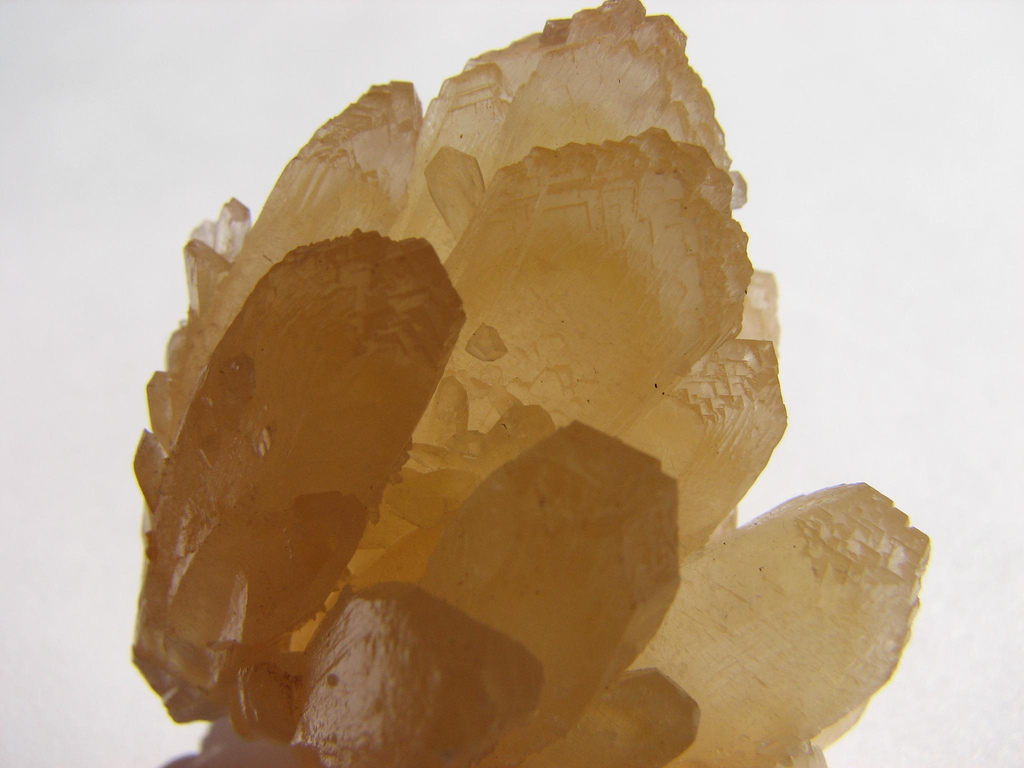
- 3 – Calcite: reacts with dilute acid and serves as a common calibration point.
- 4 – Fluorite: typically colorful and used as an intermediate reference.
- 5 – Apatite: a phosphate mineral often used to describe tooth and bone hardness comparisons.
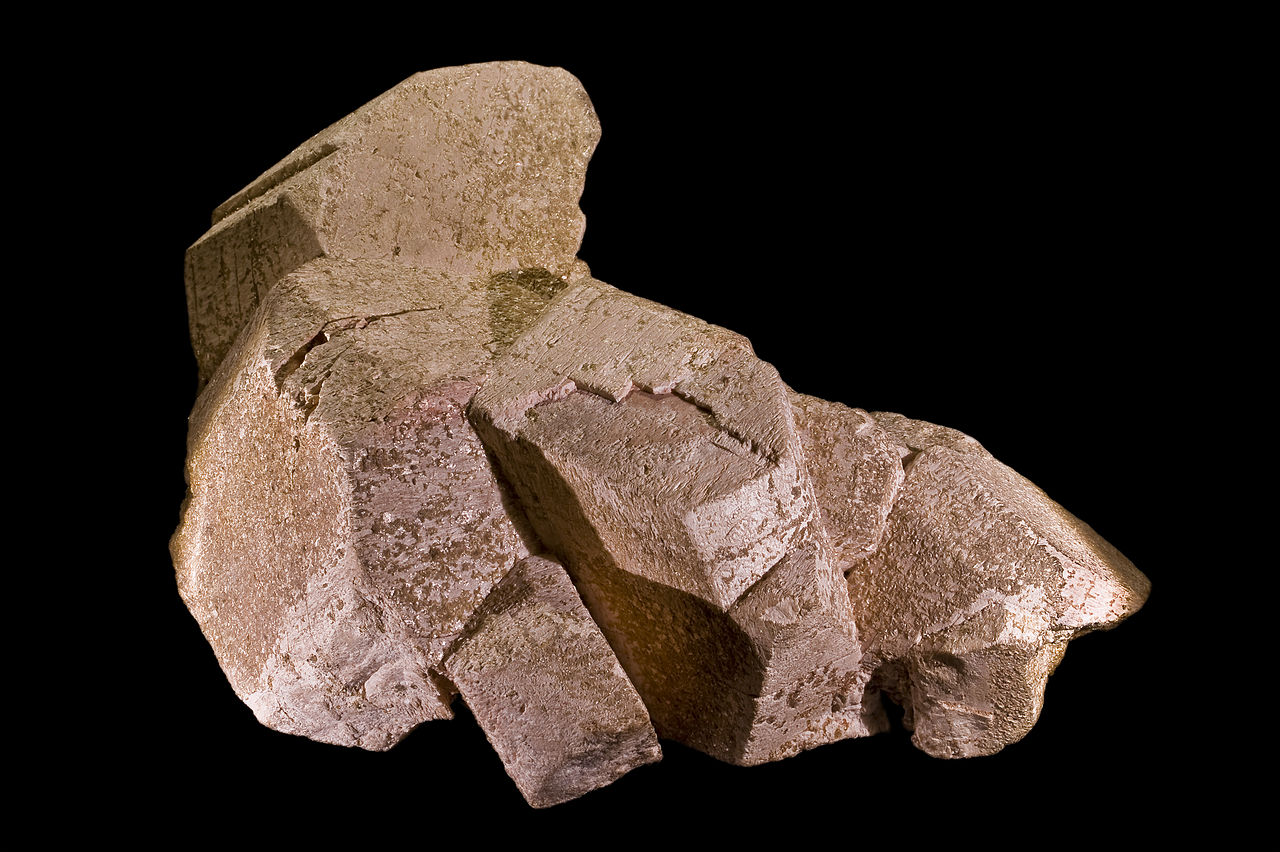
- 6 – Feldspar: a major rock-forming group with many varieties.
- 7 – Quartz: very common in the crust and able to scratch glass.
- 8 – Topaz: a gem-quality mineral higher on the scale.
- 9 – Corundum: includes gem varieties like sapphire and ruby.
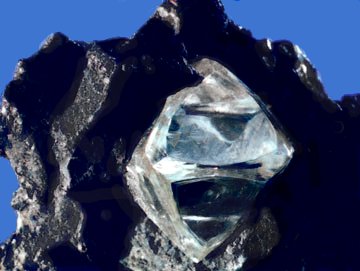
- 10 – Diamond: conventionally the hardest natural mineral on the original scale.
Uses, limitations and modern context
The Mohs scale remains useful for quick, qualitative identification of minerals in the field and for teaching. It is simple to remember and apply: if a mineral can scratch quartz, it is harder than 7. However, the scale is not linear — the difference in resistance between adjacent steps is uneven. For industrial, engineering and scientific purposes, quantitative hardness tests (for example Vickers, Brinell or Knoop methods) give reproducible numerical values and are preferred for manufactured materials.
Practical tips and notable facts
To perform a scratch test safely, use fresh, clean surfaces and avoid damaging valuable specimens. Common objects commonly used as proxies include a fingernail, a copper coin or a piece of window glass; these are rough practical standards but not substitutes for laboratory measurement. Although the original scale places diamond at the top, research and synthetic processes have produced materials and forms with greater resistance in specific circumstances, so Mohs is best seen as a convenient field tool rather than an absolute measure of material strength.
The scale connects mineralogy, crystallography and practical geology: it illustrates how atomic bonding and crystal structure control a macroscopic property that is easy to observe without instruments. For further reference about Mohs and related concepts, see entries linked by name throughout this article such as the scale, hardness testing and the minerological profiles provided above.
Questions and answers
Q: What is Mohs' scale of mineral hardness?
A: Mohs' scale of mineral hardness is a system that is ordered by hardness and is named after Friedrich Mohs, a mineralogist.
Q: How is Mohs' scale determined?
A: Mohs' scale is determined by which minerals can scratch other minerals.
Q: What are rocks made up of?
A: Rocks are made up of one or more minerals.
Q: What is the softest mineral on the Mohs scale?
A: Talc is the softest mineral on the Mohs scale, as it can be scratched by all other materials.
Q: What is the hardest mineral on the Mohs scale?
A: Diamond is the hardest mineral on the Mohs scale, always ranking at the top.
Q: What determines the hardness of a mineral?
A: The hardness of a mineral is mainly determined by the strength of the bonding between the atoms and partly by the size of the atoms.
Q: Is the Mohs scale perfect?
A: No, the Mohs scale is not perfect. Several minerals are now known to be harder than diamond. However, field geologists still find it very useful.
Tags
Related articles
Author
AlegsaOnline.com Mohs scale of mineral hardness Leandro Alegsa
URL: https://en.alegsaonline.com/art/65810
Sources
- geology.com : "Mohs Hardness Scale: Testing the Resistance to Being Scratched"
- nde-ed.org : nde-ed.org/EducationResources/CommunityCollege/Materials/Mechanical/Hardness.htm
- books.google.com.au : books.google.com.au/books?id=mllvP7ZmWqkC&pg=PA373&dq=sclerometer&hl=en&sa=X&ei=f-3NU52mF…
- amfed.org : amfed.org