
Chasmosaurus — a long‑frilled horned dinosaur
Chasmosaurus was a Late Cretaceous ceratopsid with an elongated frill and modest horns. Fossils from western North America illuminate its anatomy, ecology, and role among horned dinosaurs.
Overview
Chasmosaurus is a genus of horned dinosaur (ceratopsid) known for an unusually long, open frill and relatively small facial horns. It belonged to the bird-hipped ornithischian dinosaurs and is placed in the clade Marginocephalia. First described by paleontologist Lawrence Lambe in 1914, Chasmosaurus is often reconstructed as a bulky, quadrupedal herbivore with a beak adapted for cropping vegetation.
Image gallery
10 Images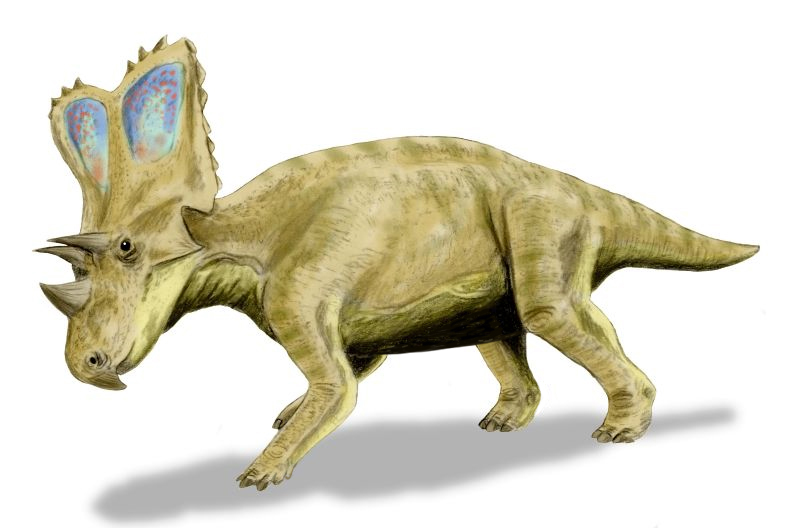




Physical characteristics
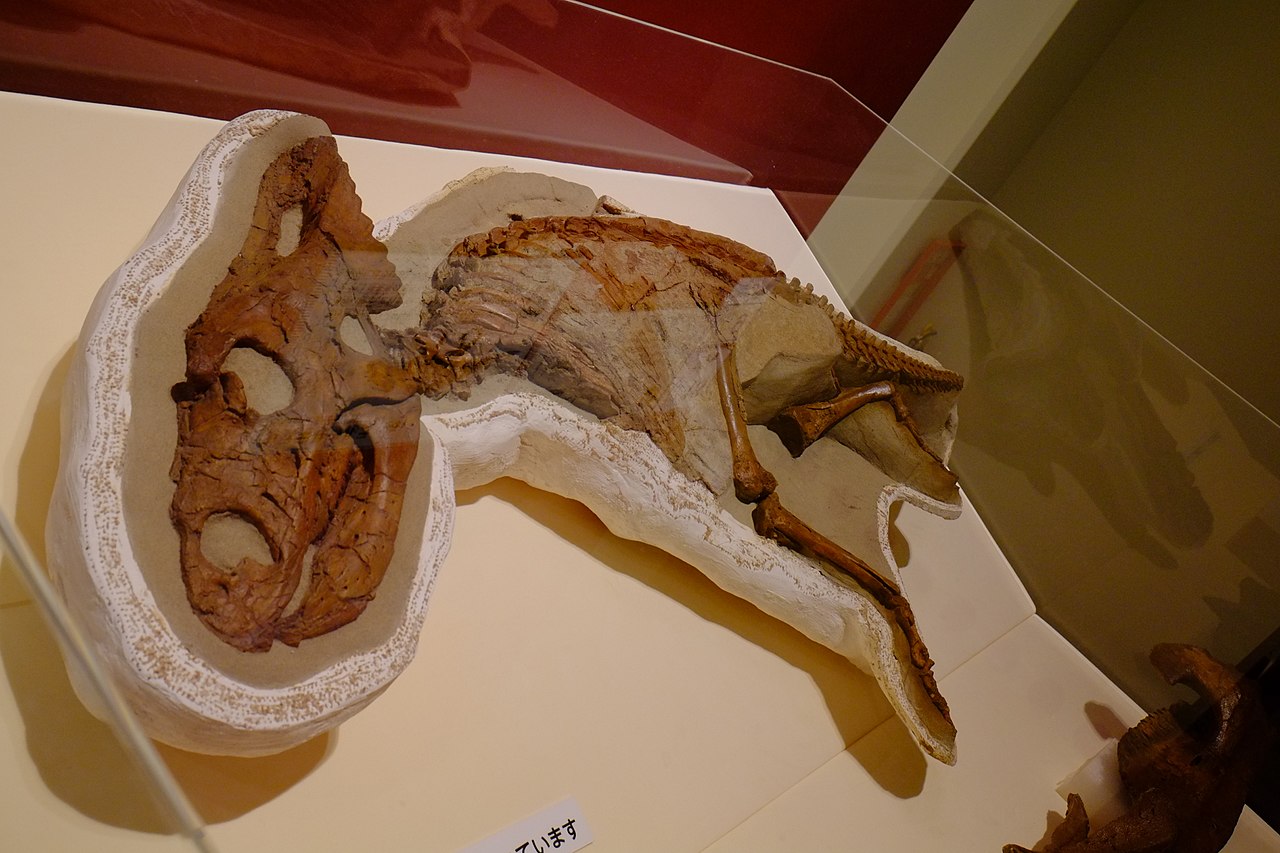
Members of Chasmosaurus combine a large skull with an extended parietal frill that bears big fenestrae (openings). Compared with some other horned dinosaurs, Chasmosaurus had a more delicate pair of brow horns and a relatively small nasal horn, producing a rhinoceros-like silhouette only in general outline rather than exact detail. The mouth had a sharp keratinous beak and rows of stacked teeth (dental batteries) suitable for processing plant material; this anatomy reflects its herbivorous diet common to many ceratopsians.
Fossils and distribution
Fossils of Chasmosaurus are found primarily in the Late Cretaceous rocks of western North America, especially in Alberta, Canada and adjacent regions of western North America. Several species have been named (for example, C. belli and C. russelli), but exact species boundaries and assignments have been the subject of ongoing study and revision by paleontologists. Well-preserved skulls and partial skeletons have allowed detailed comparisons with close relatives.
Ecology and behavior
As a large, plant-eating member of the ceratopsian group, Chasmosaurus likely inhabited floodplains and coastal plain environments where ferns, cycads and flowering plants provided food. Herding behavior has been proposed for many ceratopsids on the basis of bonebeds and tracksites, and Chasmosaurus may have lived in social groups or aggregations, although direct evidence is limited.
Distinctive features and significance
Chasmosaurus is often contrasted with centrosaurine ceratopsids, which tend to have shorter frills and larger nasal or brow ornamentation. The long-frilled condition seen in Chasmosaurus and other chasmosaurines is important for understanding ornament evolution, species recognition, and social signaling in horned dinosaurs. Its fossils contribute to knowledge of Late Cretaceous ecosystems and are displayed in museums, where they help illustrate ceratopsid diversity to the public.
Key points
- Genus of long-frilled ceratopsid first named in 1914.
- Characteristic large, open frill and modest facial horns.
- Herbivore documented mainly from western North America.
- Important for studies of ceratopsid evolution within Marginocephalia.
For further reading on ceratopsian anatomy and classification see resources on ornithischian dinosaurs and dedicated paleontology summaries (dinosaur, rhinoceros-like comparisons). Taxonomic debates and new discoveries continue to refine how species of Chasmosaurus are recognized and how this genus fits into the broader picture of Late Cretaceous life.
Related articles
Author
AlegsaOnline.com Chasmosaurus — a long‑frilled horned dinosaur Leandro Alegsa
URL: https://en.alegsaonline.com/art/18914