
1914: The Year World War I Began and Its Global Impact
1914 saw the assassination that triggered the July Crisis and the outbreak of World War I, as well as major political, technological and social shifts including the opening of the Panama Canal.
Overview
1914 is widely remembered as the year that marked the end of one era and the start of another. In the Gregorian calendar it was a common year beginning on Thursday and became synonymous with the outbreak of large‑scale, industrialized war. Although many long‑term tensions preceded it, events of 1914 transformed diplomacy, military practice and everyday life across multiple continents.
Image gallery
10 Images
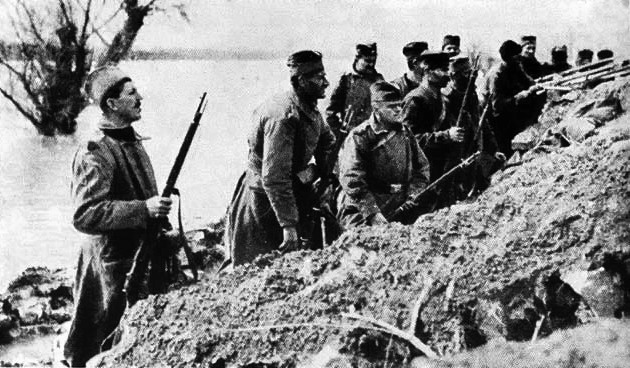


Major political events and the outbreak of war
The assassination of Archduke Franz Ferdinand of Austria in late June set off the July Crisis, a rapid sequence of diplomatic exchanges and mobilizations among Europe's great powers. Alliances, rivalries and military plans turned a regional dispute into a general European war. By early August several major powers had declared war, plunging much of the world into conflict that would later be called World War I.
Military and technological developments
The fighting of 1914 introduced tactics and weapons that foreshadowed modern warfare: rapid mobilization, massed artillery, early use of machine guns and aircraft for reconnaissance, and the movement of armies along rail networks. The German advance into Belgium and northern France was halted in September at the First Battle of the Marne, after which opposing armies dug extensive defensive positions that led to prolonged trench warfare.
Other notable events and cultural context
- Major civil engineering and trade milestones: the Panama Canal opened to shipping in August 1914, altering global maritime routes and commerce.
- Civilian tragedies and accidents occurred alongside geopolitical turmoil, and the displacement and economic disruption of war rapidly affected societies.
- Politically, 1914 marked the collapse of long‑standing diplomatic norms and the acceleration of national mobilization that reshaped social roles, labor and industry.
Consequences and significance
Although 1914 itself mostly records the opening campaigns and declarations, its significance lies in how quickly a chain of events escalated into a global conflict with lasting consequences: collapsed empires, redrawn borders, and profound effects on art, science and politics. The year is often cited as the watershed between the 19th‑century international order and a more uncertain modern age.
For readers seeking detailed chronological lists of events, cultural developments and the year’s calendar specifics, consult specialized chronologies and calendars that document 1914 in civil, military and cultural terms. See also related calendar and historical overviews: Gregorian calendar context and further background on the war and its origins at contemporary timelines and more comprehensive treatments at selected reference pages.
Related articles
Author
AlegsaOnline.com 1914: The Year World War I Began and Its Global Impact Leandro Alegsa
URL: https://en.alegsaonline.com/art/111911