
Chelicerata: anatomy, evolution, diversity and ecological roles
Chelicerata are a major arthropod subphylum including arachnids and horseshoe crabs, defined by chelicerae and a two-part body; they have a long fossil record and play key ecological and medical roles.
Overview
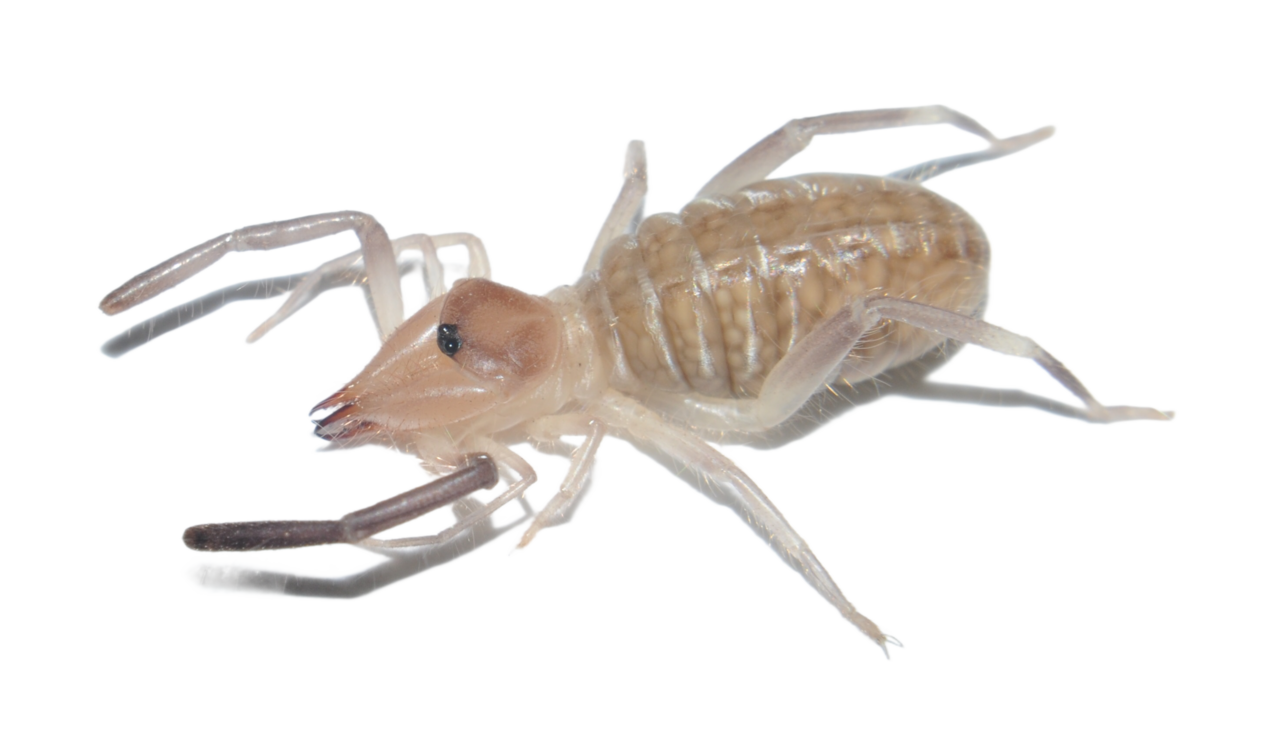
The Chelicerata are a distinct subphylum of arthropods characterized primarily by the presence of chelicerae — specialized frontal appendages used in feeding and sensing. Traditionally the group is divided into two principal classes: the largely terrestrial Arachnida (spiders, scorpions, ticks, mites and relatives) and the mostly marine Merostomata (best known today by horseshoe crabs, Xiphosura). Together they represent a major portion of arthropod diversity and ecological impact.
Image gallery
10 Images



Key characteristics
Chelicerates share a number of diagnostic features that distinguish them from other arthropods. These include a body divided into a front region (prosoma) and a rear region (opisthosoma), the lack of antennae, and the presence of chelicerae and usually pedipalps. Most breathe using book lungs, book gills or tracheae and grow by molting. Their diets are predominantly carnivorous or otherwise heterotrophic, ranging from active predators to parasites and detritivores.
- Frontal chelicerae for feeding and defense.
- Two-part body plan: prosoma and opisthosoma.
- No antennae; sensory roles often taken by pedipalps.
- Respiratory adaptations: book gills in marine forms, book lungs or tracheae in terrestrial arachnids.
Evolution and fossil record
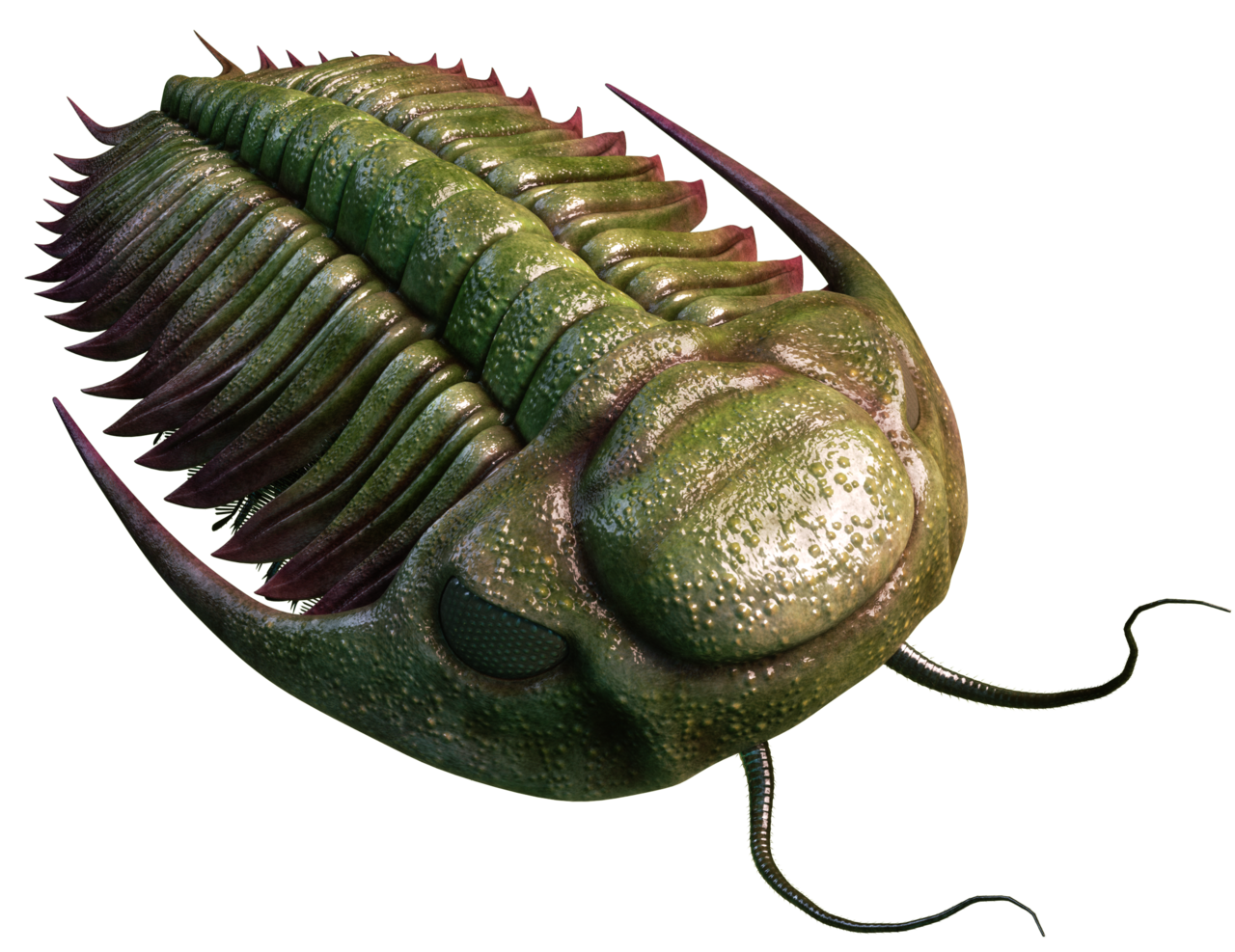
Chelicerates originated in marine environments; the earliest confirmed fossils include large, now-extinct eurypterids (sea scorpions) that first appear in the late Ordovician. Several lineages adapted to land, giving rise to the rich radiation of arachnids. The long-term persistence of some forms, notably horseshoe crabs, has led to the informal label "living fossils", reflecting their conservative morphology over geological time.
Diversity and ecology
Today, chelicerates are ecologically varied. Only a few marine species remain among the Merostomata — principally the extant horseshoe crabs — while the Arachnida includes tens of thousands of described species (spiders alone are a major component). Overall lifestyles are largely predatory or parasitic, essentially various forms of heterotroph feeding strategies. Their roles include controlling insect populations, acting as scavengers, and serving as food for other animals.
Notable groups and taxonomic questions
Major chelicerate groups worth noting include spiders (Araneae), scorpions, ticks and mites within Arachnida, and horseshoe crabs within Xiphosura. A taxonomic uncertainty involves the pycnogonids (sea spiders): molecular and morphological studies have produced conflicting results, and some genetic evidence suggests they may lie outside true Chelicerata or represent an ancient sister lineage to other arthropods.
Human relevance and conservation
Chelicerates intersect with human interests in many ways: spiders and predatory mites are valued for pest control, ticks and some mites are vectors of disease, and horseshoe crabs are important for biomedical uses and coastal ecosystems. Conservation concerns center on habitat loss, overharvesting (notably of horseshoe crabs for bait and medical uses), and the ecological consequences of population declines. Accurate taxonomy and monitoring remain important for managing both beneficial and harmful species.
For further reading on classification, anatomy and fossil history, consult detailed treatments and databases via general references and specialist sources: see entries on the subphylum, the major classes, Arachnida, Merostomata, and the horseshoe crabs (Xiphosura). For paleontological context look up eurypterids and Ordovician faunas (Ordovician). Molecular studies (genetic) and discussions of sea spiders (pycnogonids) address ongoing questions about chelicerate origins and relationships. Historical usage of terms like "living fossil" and ecological notes on marine versus terrestrial (marine) adaptations provide additional context. Finally, texts on arthropod feeding strategies cover their broadly heterotroph lifestyles.
Questions and answers
Q: What is the Chelicerata?
A: The Chelicerata is a sub-phylum of the Arthropods, consisting of two classes: the Arachnids and the Merostomata.
Q: What are the two classes that make up the Chelicerata?
A: The two classes that make up the Chelicerata are the Arachnids and Merostomata.
Q: What are Eurypterids?
A: Eurypterids are an extinct group of aquatic arthropods which were part of the Merostomata class in the Chelicerata sub-phylum.
Q: How many species of air-breathing chelicerates exist?
A: There are over 77,000 species of air-breathing chelicerates, and there may be about 500,000 unidentified species.
Q: Are pycnogonids considered to be part of Chelicerates?
A: It is uncertain whether pycnogonids should be considered as part of Chelicerates or not; some genetic evidence suggests they may be an ancient sister group to all other living arthropods.
Q: How many species of Pycnogonids exist? A: There are 1,300 known species of Pycnogonids.
Q: What kind of lifestyle do most chelicerate animals have?
A: Most chelicerate animals have a carnivorous or heterotrophic lifestyle.
Tags
Related articles
Author
AlegsaOnline.com Chelicerata: anatomy, evolution, diversity and ecological roles Leandro Alegsa
URL: https://en.alegsaonline.com/art/19134
Sources
- nature.com : "Arthropod relationships revealed by phylogenomic analysis of nuclear protein-coding sequences"
- doi.org : 10.1038/nature08742
- pubmed.ncbi.nlm.nih.gov : 20147900