
Ornithischia — the bird‑hipped, beaked herbivorous dinosaurs
Ornithischia is a major clade of beaked, mainly herbivorous dinosaurs distinguished by a backward‑pointing pubis and diverse groups including stegosaurs, ankylosaurs, hadrosaurs and ceratopsians.
Overview
Ornithischia is the name given to a large group of primarily herbivorous dinosaurs characterized by a pelvis in which the pubic bone points toward the rear of the animal. This arrangement earned them the informal label "bird‑hipped," although modern birds are descended from a different major dinosaur lineage. The term Ornithischia and related summaries can be found in general references about the group. An alternative older name, Predentata, highlights the presence of a predentary bone and a keratinous beak in front of the jaws; introductory discussions sometimes use that label when emphasizing the beak.
Image gallery
10 Images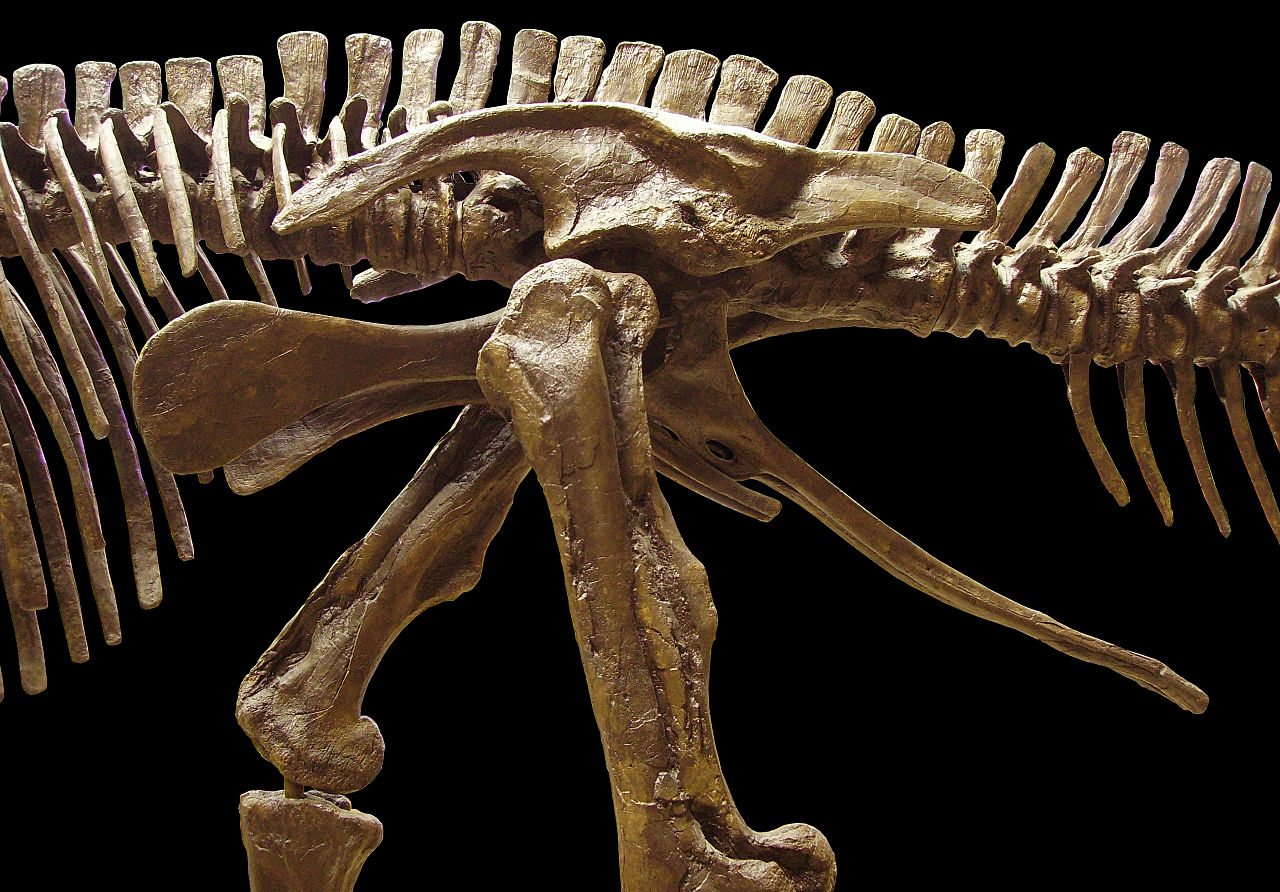


Anatomy and adaptations
Ornithischians share several anatomical features adapted to plant‑eating. They typically have a beak formed from the predentary and premaxilla bones to crop vegetation, and many clades developed specialized teeth or dental batteries for grinding (a key functional innovation; see beak and dental adaptations). Early members were often bipedal, but many later lineages evolved either facultative or obligate quadrupedalism. Paleontologists also identify changes to skull architecture, jaw musculature and sometimes large gut cavities consistent with herbivory. Basic or "basal" members of the group retain primitive traits that illuminate early stages of ornithischian evolution (basal forms).
Evolutionary history
Ornithischians first appear in the fossil record in the Late Triassic and diversified through the Jurassic and Cretaceous, becoming one of the dominant plant‑eating vertebrate groups by the Cretaceous. Their evolutionary history includes repeated instances of convergent change — for example, the independent evolution of quadrupedal posture in several lineages. While historically they were grouped apart from the saurischian dinosaurs, recent phylogenetic work has prompted fresh discussion about higher‑level dinosaur relationships; some proposals have challenged the traditional split and reshaped how scientists interpret early dinosaur evolution (relation to Saurischia) and the origin of birds (comparisons with birds).
Major groups and diversity
- Thyreophora — armored dinosaurs, including stegosaurs and ankylosaurs with rows of plates, spikes or heavy body armor.
- Ornithopoda — from small bipedal grazers to large duck‑billed hadrosaurs with complex teeth and often social behavior.
- Marginocephalia — a clade that includes pachycephalosaurs (thick‑headed dome animals) and ceratopsians (horned dinosaurs like Triceratops).
These groups illustrate the range of body sizes and lifestyles within Ornithischia, from small cursorial forms to bulky, slow‑moving herbivores with heavy armor or elaborate cranial ornamentation.
Ecology, behavior and importance
Ornithischians occupied many ecological roles as primary consumers in Mesozoic terrestrial ecosystems. Their feeding strategies — cropping with a beak, processing vegetation with specialized teeth, and in some cases fermenting plant matter in large guts — allowed them to exploit a wide range of plants. Herding behavior is inferred for several taxa from bonebeds and trackways, and complex social or display structures evolved in ceratopsians and hadrosaurs. Their fossils are crucial for reconstructing Mesozoic food webs, vegetation, and continental ecosystems.
Classification notes and notable facts
The name Ornithischia literally means "bird‑hipped," but this is a historical descriptive term rather than an indication of direct ancestry to birds. The bird lineage actually traces to the saurischian theropods in the conventional view; discussions of dinosaur relationships continue to be refined as new data appear. For accessible summaries and further reading on anatomy, classification and current debates see general overviews and scholarly summaries Ornithischia overview, comparative pieces about birds and dinosaurs, phylogenetic studies involving Saurischia, the beak‑focused perspective Predentata, functional analyses of the beak (feeding adaptations), and introductions to early or basal ornithischians.
Questions and answers
Q: What does the name "Ornithischia" mean?
A: The name "Ornithischia" means "bird-hipped," referring to their hip structure.
Q: What is an alternative name for the order Ornithischia?
A: An alternative name for the order Ornithischia is the Predentata, because all of them are beaked herbivorous dinosaurs.
Q: What is a key adaptation of Ornithischian dinosaurs?
A: A key adaptation of Ornithischian dinosaurs is their beak, which is in front of the jaw-bone and used for cropping plants for their food.
Q: How did they originally move?
A: Their original (basal) form of locomotion was bipedal, but they were capable of both bipedal and quadrupedal locomotion. Several groups became entirely quadrupedal.
Q: How many suborders do ornithischians have?
A: Ornithischians have two suborders.
Q: Where does birds' pelvis point backwards compared to ornthishchians'?
A: Birds also have pelvises in which the pubis points backwards, similar to ornthishchians'.
Related articles
Author
AlegsaOnline.com Ornithischia — the bird‑hipped, beaked herbivorous dinosaurs Leandro Alegsa
URL: https://en.alegsaonline.com/art/73209