
Charles Laughton
English-born stage and film actor, director, and producer noted for commanding character performances, his Oscar-winning turn as Henry VIII, and his acclaimed film The Night of the Hunter.
Overview
Charles Laughton (1 July 1899 – 15 December 1962) was an English-born performer and filmmaker whose career spanned stage and screen in both Britain and the United States. Often described as an Anglo-American artist, he worked as an actor, screenwriter, producer and director. Laughton became known for his intense, physically expressive portrayals and for a resonant speaking voice that made him a formidable presence in both dramatic and comic roles.
Image gallery
7 Images


Career and style
Trained in theatre before becoming a film star, Laughton built a reputation for inhabiting complex, often flamboyant characters. His work ranged from Shakespearean and other stage classics to Hollywood studio pictures. Critics and audiences noted his ability to transform his appearance and manner to fit roles, combining careful control of diction with bold physicality. He was equally at home in supporting parts and leading roles and was frequently cast as historical figures or imposing antagonists.
Notable roles and films
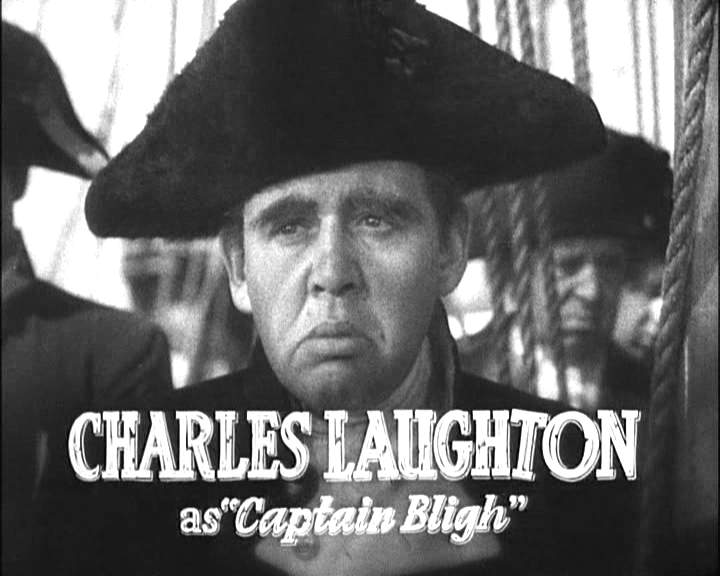
Laughton's most celebrated screen performances included his Academy Award-winning portrayal of Henry VIII in The Private Life of Henry VIII (1933), a role that brought him international recognition. Other signature parts were his interpretation of Quasimodo in The Hunchback of Notre Dame and the stern Captain Bligh in Mutiny on the Bounty. In 1955 he directed and produced the psychologically charged thriller The Night of the Hunter, now widely regarded as a classic for its striking visual style; it remains the most prominent example of his work behind the camera.
Selected filmography
- Mutiny on the Bounty — role: Captain Bligh
- The Private Life of Henry VIII — Academy Award for Best Actor (1933)
- The Hunchback of Notre Dame — role: Quasimodo
- The Night of the Hunter — directed by Laughton
Personal life
Laughton was born in Scarborough, in the North Riding of Yorkshire. In 1929 he married actress Elsa Lanchester; the couple remained married until his death. They relocated to the United States and later became citizens in 1950. Laughton's private life included relationships with partners of both sexes; many biographical accounts describe him as bisexual. He and Lanchester did not have children.
Death and legacy
Charles Laughton died in December 1962 in Hollywood, Los Angeles, after an illness involving his kidney and subsequent cancer. His legacy rests on a body of work that bridged theatrical intensity and cinematic imagination. Modern actors and filmmakers cite his commitment to character and his willingness to take creative risks — particularly in directing — as influential. Retrospectives, film studies, and continuing public interest have helped maintain his reputation as a singular figure of mid-20th-century stage and screen.
For further reading on specific productions, performances, and archival materials, consult dedicated film and theatre collections or specialized biographies and critical studies.
Related articles
Author
AlegsaOnline.com Charles Laughton Leandro Alegsa
URL: https://en.alegsaonline.com/art/18738