
Quasimodo — the bell‑ringer of Notre‑Dame
Quasimodo is the deformed bell‑ringer at the heart of Victor Hugo's novel The Hunchback of Notre‑Dame, a tragic figure whose story explores otherness, compassion, and social injustice.
Quasimodo is the central fictional figure in Victor Hugo's novel The Hunchback of Notre‑Dame, originally published in French as Notre‑Dame de Paris. Created by Victor Hugo, Quasimodo is best known as the hunchbacked bell‑ringer of the cathedral of Notre‑Dame and one of 19th‑century literature's most enduring symbols of physical deformity and social exclusion.
Image gallery
4 Images

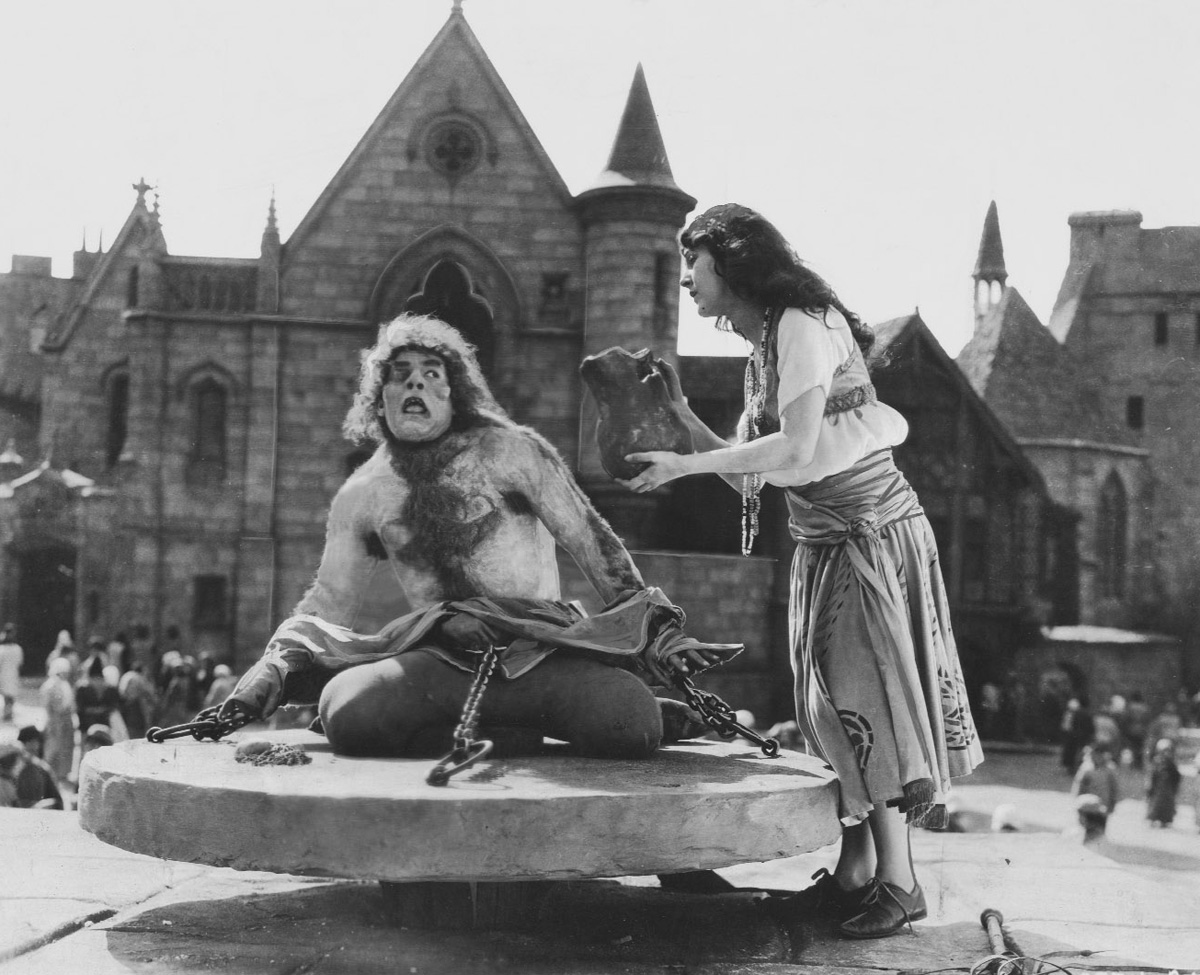
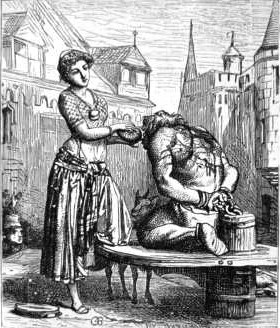
Appearance and origins
Hugo depicts Quasimodo as deformed and misshapen, physically imposing yet vulnerable. Found abandoned as an infant and given the name Quasimodo — a reference to the Latin introit for the Sunday after Easter — he is taken in and raised by Claude Frollo, the cathedral's archdeacon. Long exposure to the cathedral bells leaves him partially deaf and ties his identity to the building's towers.
Role in the story and themes
In the novel Quasimodo becomes entwined with several other characters, most notably Esmeralda, a young Romani woman whose kindness toward him contrasts with the cruelty he endures from Parisian society. The narrative uses his experiences to examine themes of compassion, prejudice, institutional power, and the gap between outward appearance and inner humanity. The plot moves toward tragic consequences for many characters, and Quasimodo's loyalty and isolation shape the emotional core of the book.
Adaptations and variations
Quasimodo has appeared in numerous stage, film and television versions. Adaptations vary widely: some retain Hugo's darker, tragic portrait, while others, including a major animated retelling, present a more sympathetic and heroic figure, altering relationships and outcomes to suit different audiences. These reinterpretations have helped keep the character in public awareness.
Legacy and notable facts
- Quasimodo remains a cultural shorthand for deformity and misunderstood outsiders.
- His name and image helped shape popular interest in Notre‑Dame and Gothic architecture.
- Scholars debate representations of disability and marginalization in Hugo's portrayal.
Whether read as a tragic character study or adapted into a family‑friendly hero, Quasimodo endures as a powerful literary figure whose story prompts reflection on cruelty, compassion, and the human cost of social prejudice.
Questions and answers
Q: Who is Quasimodo in Victor Hugo's novel The Hunchback of Notre Dame?
A: Quasimodo is the hunchback in the novel The Hunchback of Notre Dame written by Victor Hugo.
Q: Who raised Quasimodo?
A: Quasimodo was raised by Claude Frollo.
Q: What do the townspeople believe about Quasimodo?
A: The townspeople believe Quasimodo is a monster.
Q: Who does Quasimodo befriend in the novel?
A: Quasimodo befriends Esmeralda.
Q: Is Quasimodo a fictional character?
A: Yes, Quasimodo is a fictional character in Victor Hugo's novel.
Q: What is the title of the novel where Quasimodo appears?
A: The novel where Quasimodo appears is called The Hunchback of Notre Dame.
Q: What is the physical description of Quasimodo?
A: Quasimodo is a hunchback, which means he has a deformity of the spine, causing a noticeable hunch on his back.
Related articles
Author
AlegsaOnline.com Quasimodo — the bell‑ringer of Notre‑Dame Leandro Alegsa
URL: https://en.alegsaonline.com/art/80416