
Charles Lindbergh: pioneering aviator and public figure
American aviator Charles Lindbergh (1902–1974) made the first solo nonstop transatlantic flight in 1927 and became an influential, sometimes controversial, figure in aviation and public life.
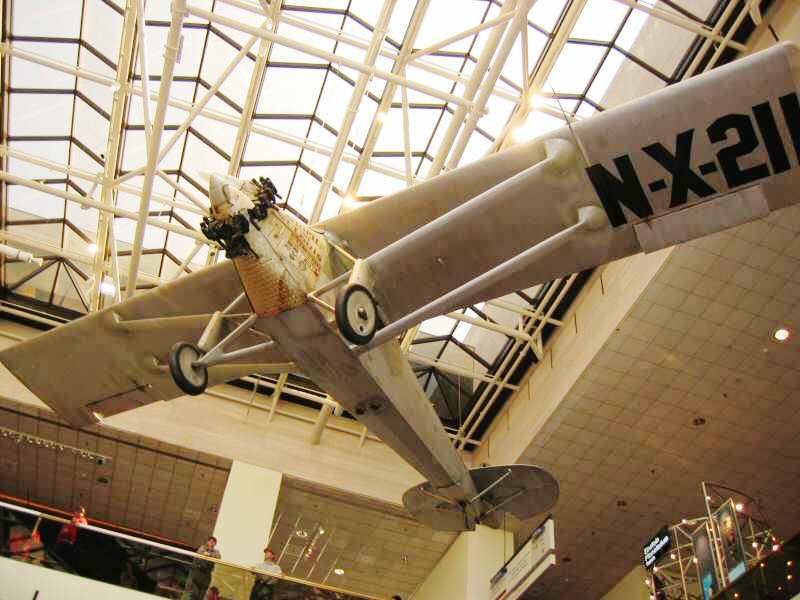
Charles Augustus Lindbergh (1902–1974) was an American aviator whose solo nonstop crossing of the Atlantic in 1927 made him an international celebrity. Known by nicknames such as "Lucky Lindy" and "The Lone Eagle," he piloted the custom-built single-engine monoplane Spirit of St. Louis on a flight that demonstrated the practical potential of long-distance air travel and captured worldwide attention. The achievement shaped public enthusiasm for aviation and stimulated investment in air transport.
Image gallery
10 Images


Early life and career
Lindbergh developed an interest in mechanics and flying in his youth and trained as a military and civilian aviator. He worked as a barnstormer, test pilot and mail pilot, gaining experience with aircraft navigation and endurance flying. These early roles prepared him for the technical and mental demands of transoceanic flight and established his reputation within aviation circles as a careful and skilled pilot.
The 1927 transatlantic flight
In May 1927 Lindbergh attempted and completed the first solo nonstop flight from New York to Paris, winning public acclaim and the Orteig Prize offered for the feat. Flying alone in the Spirit of St. Louis, he navigated without the modern instruments that later became standard, relying on dead reckoning, compass headings and celestial fixes. The successful crossing proved that intercontinental air travel was possible in a single unrefueled hop and inspired both commercial development and technological advances.
Public life, achievements and controversies
Following the flight Lindbergh became a bestselling author, lecturer and celebrity who drew huge crowds on tours and helped promote aviation technology. He received multiple honors and used his fame to advocate for air mail, safety improvements and aeronautical research. At the same time, his public positions in the 1930s — including opposition to U.S. entry into the European war and contacts with figures in Europe — attracted criticism and remain a contested part of his legacy. He is often described as an influential but polarizing aviator.
- Notable milestone: single-handed nonstop Atlantic crossing in 1927 (Atlantic flight).
- Later focus: applied research, aircraft design consultation and conservation efforts.
- Public controversies: political stances and a high-profile family tragedy that affected his privacy and reputation.
Charles Lindbergh spent later decades involved in technical work, writing and private pursuits. He died in 1974, and historians continue to assess both his contributions to aviation and the more contentious aspects of his public life. Museums, biographies and collections of his letters preserve the record of a figure who helped transform flying from a daredevil activity into a practical means of global transportation.
Related articles
Author
AlegsaOnline.com Charles Lindbergh: pioneering aviator and public figure Leandro Alegsa
URL: https://en.alegsaonline.com/art/18740
Sources
- charleslindbergh.com : "Charles Lindbergh Medal Of Honor" at CharlesLindbergh.com · archive.is
- the-scientist.com : "A Lindbergh Legacy in Life Sciences,"