
Charles Lee (United States Attorney General, 1795–1801)
Charles Lee (1758–1815) was a Virginia lawyer who served as U.S. Attorney General from 1795 to 1801 under Presidents Washington and Adams, helping to shape early federal legal practice.
Overview
Charles Lee (1758 – June 24, 1815) was an American lawyer from Virginia who served as the United States Attorney General from December 1795 until February 1801. He was appointed by President George Washington after the death in office of William Bradford and continued in the post throughout the administration of John Adams. His term coincided with a formative period in the early Republic when the federal government's legal institutions and norms were being established.
Image gallery
5 Images
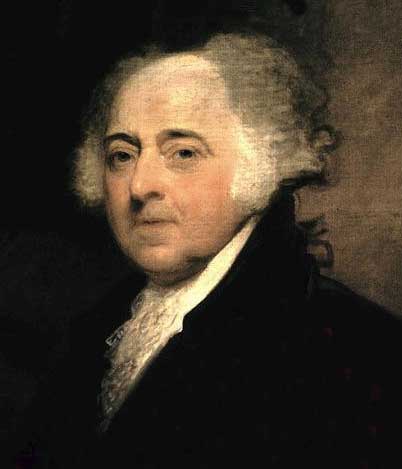


Role and responsibilities
In Lee's era the Attorney General served primarily as the chief legal advisor to the President and the executive departments and as the federal government's principal representative in the Supreme Court and other tribunals. The office was smaller and less institutionalized than it is today, and occupants commonly combined duties for the national government with private practice or other public tasks. Attorneys general of this period helped define how the federal government would use law in governance.
Career context and significance
Trained in the legal tradition of Virginia, Lee entered national public life at a time of intense constitutional and political debate. The late 1790s saw disputes over federal authority, civil liberties, and the limits of executive power; while specific record of every opinion from that time is limited, Lee's sustained service through two administrations provided continuity in legal counsel during those contested years.
Key facts
- Born 1758; died June 24, 1815.
- Appointed Attorney General after William Bradford's death; took office on December 10, 1795.
- Remained in office through the remainder of Washington's presidency and the full Adams administration, leaving in February 1801.
- Served during a period when the national government's legal institutions were still being defined.
Legacy
Charles Lee's tenure illustrates the early role of the Attorney General as a bridge between the executive branch and the developing federal judiciary. Although fewer written opinions and public records survive from his office than for later holders, historians regard his continuous presence in the post as part of the institutional stabilization of the young United States. After leaving national office, he returned to private life; his death in 1815 closed a career that reflected the legal and political currents of the early Republic.
Related articles
Author
AlegsaOnline.com Charles Lee (United States Attorney General, 1795–1801) Leandro Alegsa
URL: https://en.alegsaonline.com/art/18739