
Celastrales (order of flowering plants)
Celastrales is a small order of mainly tropical and subtropical flowering plants, dominated by the family Celastraceae; known for woody species, small flowers, varied fruits and uses in horticulture and traditional medicine.
Overview
Celastrales is an order of flowering plants within the broad group of angiosperms. Members are predominantly woody — trees, shrubs and lianas — and most diversity occurs in tropical and subtropical regions, with only a few species reaching temperate zones. The order contains roughly 1,200–1,350 species distributed among about 100 genera; the majority of these genera are placed in the large family Celastraceae. For a general context on angiosperms see flowering plants.
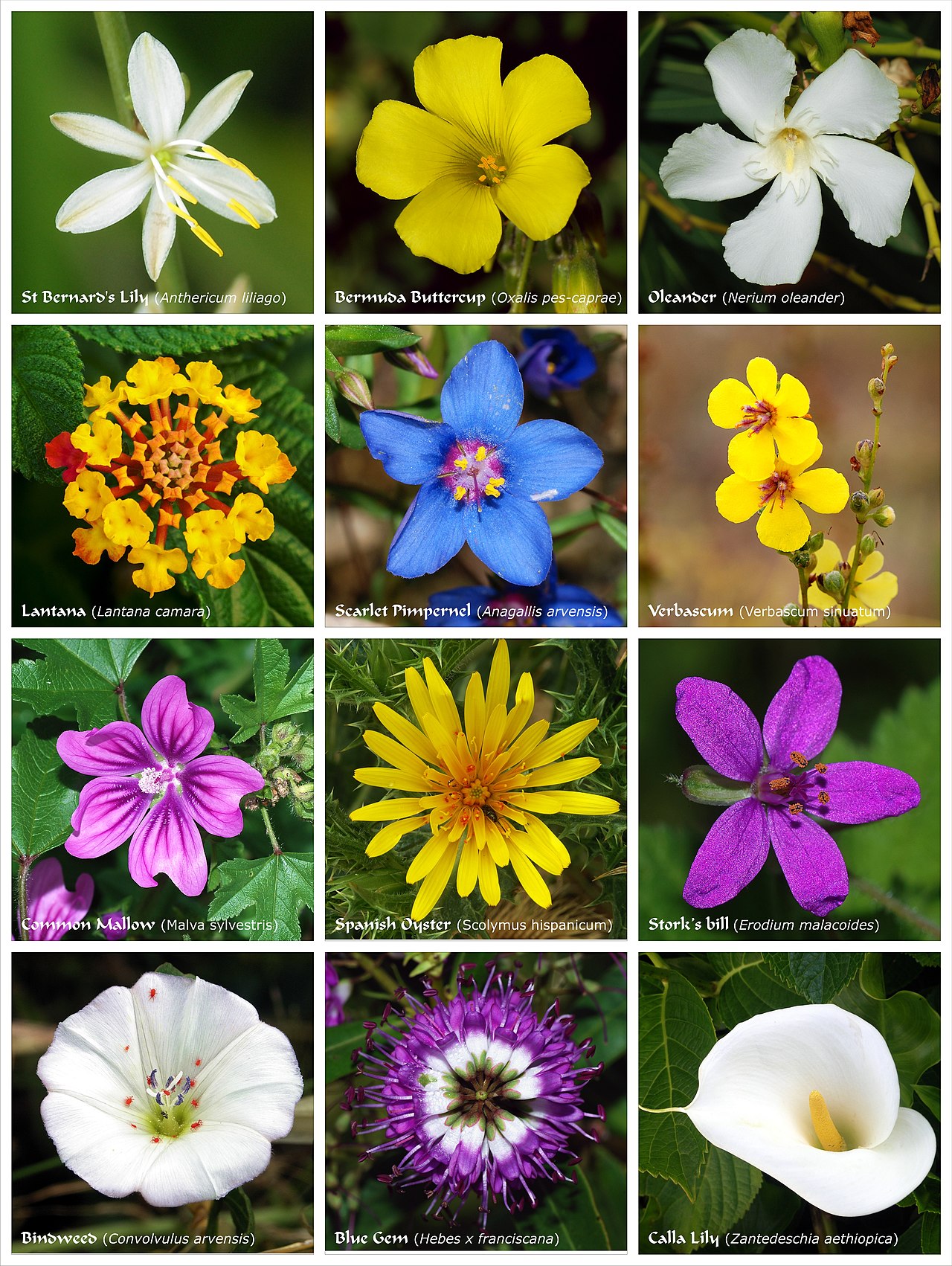
Image gallery
2 Images
Key characteristics
- Habit: mostly woody plants (trees, shrubs, climbers), some are evergreen, others deciduous.
- Leaves: typically simple and often arranged alternately or oppositely; margins and texture vary by genus.
- Flowers: generally small and inconspicuous, often bisexual, arranged in clusters; floral symmetry and number of parts can differ among genera.
- Fruits and seeds: diverse fruit types (capsules, berries or drupes) are common; many species produce seeds with fleshy arils that attract animals and aid dispersal.
Distribution and diversity
Celastrales are most diverse in lowland and montane tropical forests but also appear in subtropical and a few temperate habitats. While the Celastraceae family contains the bulk of the order's genera and species, a small number of genera are assigned to other, much smaller families. The order exhibits a mix of narrowly endemic taxa and more widespread genera; some species have become notable outside their native ranges due to cultivation or escape.
Uses and ecological importance
Several species within Celastrales are cultivated as ornamentals for their foliage or brightly colored fruiting structures. Certain genera are used in traditional medicine and have attracted phytochemical research because of bioactive compounds. Ecologically, many species provide food for birds and mammals through fleshy fruits and seeds with arils, contributing to seed dispersal networks in their ecosystems.
Taxonomy and historical context
The circumscription of Celastrales and the placement of its constituent genera has varied historically. Advances in molecular phylogenetics over recent decades have clarified relationships within the group and stabilized its composition, showing that one family, Celastraceae, dominates the order while a few genera belong to smaller lineages. Ongoing botanical study continues to refine internal classification and to document species diversity across regions.
Related articles
Author
AlegsaOnline.com Celastrales (order of flowering plants) Leandro Alegsa
URL: https://en.alegsaonline.com/art/17850