
Carpenter: roles, materials, tools, history, and specializations
A carpenter is a skilled craftsperson who shapes and assembles wood for structures, furniture, cabinets and other objects. This article describes materials, tools, specializations, history, and typical uses.
Overview
A carpenter is a craftsperson who works primarily with wood and wood-based materials to shape, join and assemble elements for buildings, furniture and many other objects. Carpenters may work on construction sites, in workshops, or combine both environments. Their work ranges from structural framing to delicate decorative trim; many also take supervisory roles on building projects because of their broad experience with site work and sequencing.
Image gallery
9 Images




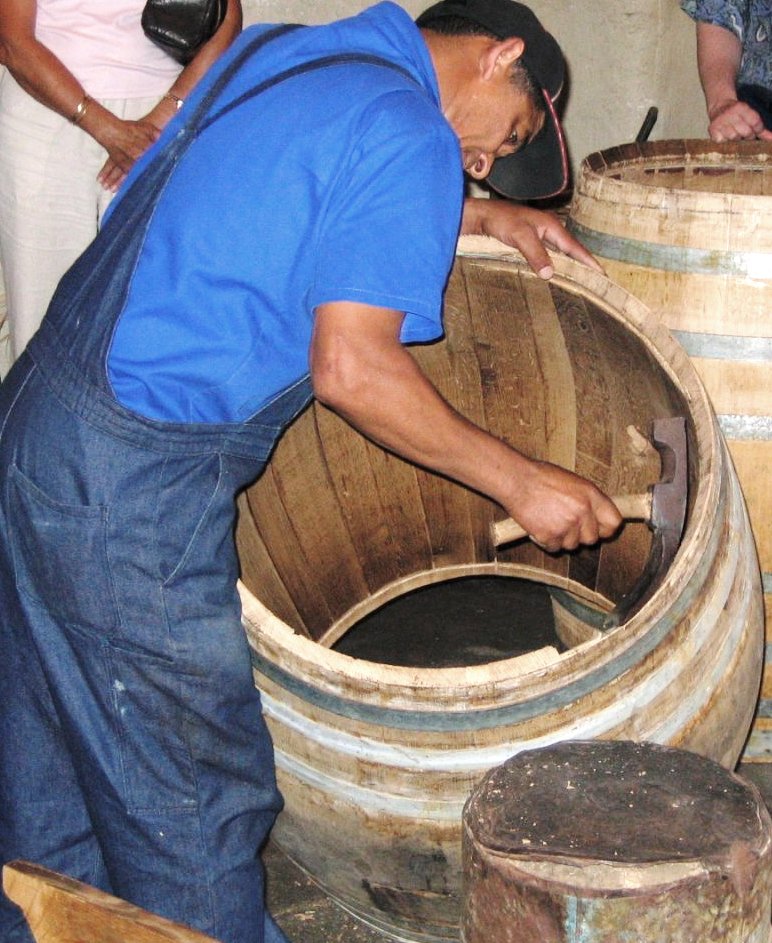

Common specializations
Carpentry is often divided into distinct specialties that emphasize different skills and settings:
- Rough carpentry (framing) — building basic structural elements such as floors, walls and roofs for homes and other buildings; tasks include cutting and assembling studs, joists and rafters, often when crews build houses.
- Finish carpentry — installing and producing visible interior and exterior elements such as trim, mouldings and staircases, where precision and appearance matter.
- Cabinetry and joinery — producing fitted items and furniture in workshops, including shop-made cabinets and casework; many cabinet makers fall into this category.
- Furniture and specialty makers — crafting freestanding pieces such as furniture, bespoke joinery or finished wood goods.
- Industrial and shipping carpentry — constructing protective crates and pallets for transport, for example crates, and building temporary site structures.
- Wood carving and decorative work — artistic carving and detail work; some carvers are considered part of the carpentry family and others are counted as separate artisans, such as toy and model makers (toy makers).
Materials and tools
Woodworkers use a wide variety of materials: solid hardwoods and softwoods, plywood, oriented strand board (OSB), medium-density fiberboard (MDF) and engineered timbers. Tools range from traditional hand tools — saws, planes, chisels and hammers — to modern power tools and machinery such as circular saws, routers, planers and table saws. Increasingly, some shops use computer-aided design and CNC routing for precise components. Knowledge of adhesives, fasteners, finishes and hardware is essential.
Training, safety and career paths
Many carpenters learn through apprenticeships, vocational programs or on-the-job training. Trades systems often recognize stages such as apprentice, journeyman and master or foreman. Safety is central: carpenters must understand fall protection, hearing and eye protection, safe tool operation and handling of chemical finishes. With experience, carpenters frequently become supervisors, estimators or independent contractors overseeing larger projects.
History and cultural importance
Working with wood is one of humanity's oldest crafts, visible in ancient timber-framed structures, boats and furniture. Over centuries the craft developed guild structures, standardized techniques and regional styles. In modern construction the carpenter's role remains vital: from framing the skeleton of a house to crafting a custom interior, carpentry combines practical engineering with hand skills and aesthetic judgment.
Practical examples and distinctions
Typical carpentry projects include framing homes, building decks and porches, installing kitchen cabinets, fitting doors and windows, producing shop-made cabinet makers' components, restoring historic timberwork and making bespoke furniture. A common distinction notes that a "joiner" or workshop-based woodworker may produce parts in a shop for later site assembly, while a "carpenter" often works on-site assembling and installing those parts. Both roles overlap and the terms vary by region and tradition.
Carpentry continues to adapt: new engineered materials, modern fasteners and digital fabrication have expanded what carpenters can build, while traditional skills such as precise measuring, fitting and finishing remain central to quality work.
More about working with wood • Cabinet projects • House framing • Shipping crates • Furniture making • Cabinet makers • Toy and model makers
Related articles
Author
AlegsaOnline.com Carpenter: roles, materials, tools, history, and specializations Leandro Alegsa
URL: https://en.alegsaonline.com/art/17227