
Cabinetmaking: craft, techniques, and history
Cabinetmaking is the skilled craft of designing and building cabinets and fine furniture, covering tools, joinery, materials, historical development, uses, and distinctions from related trades.
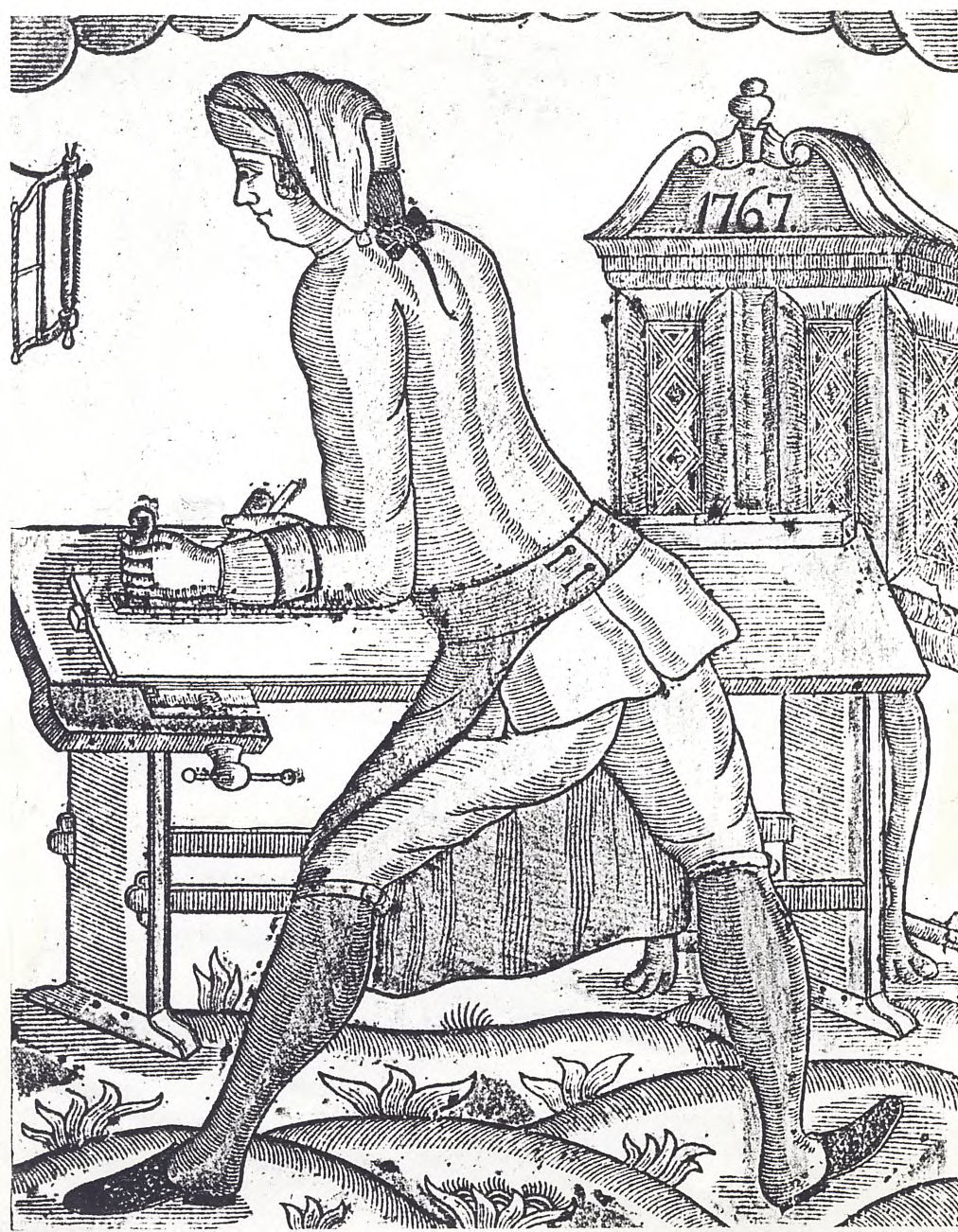
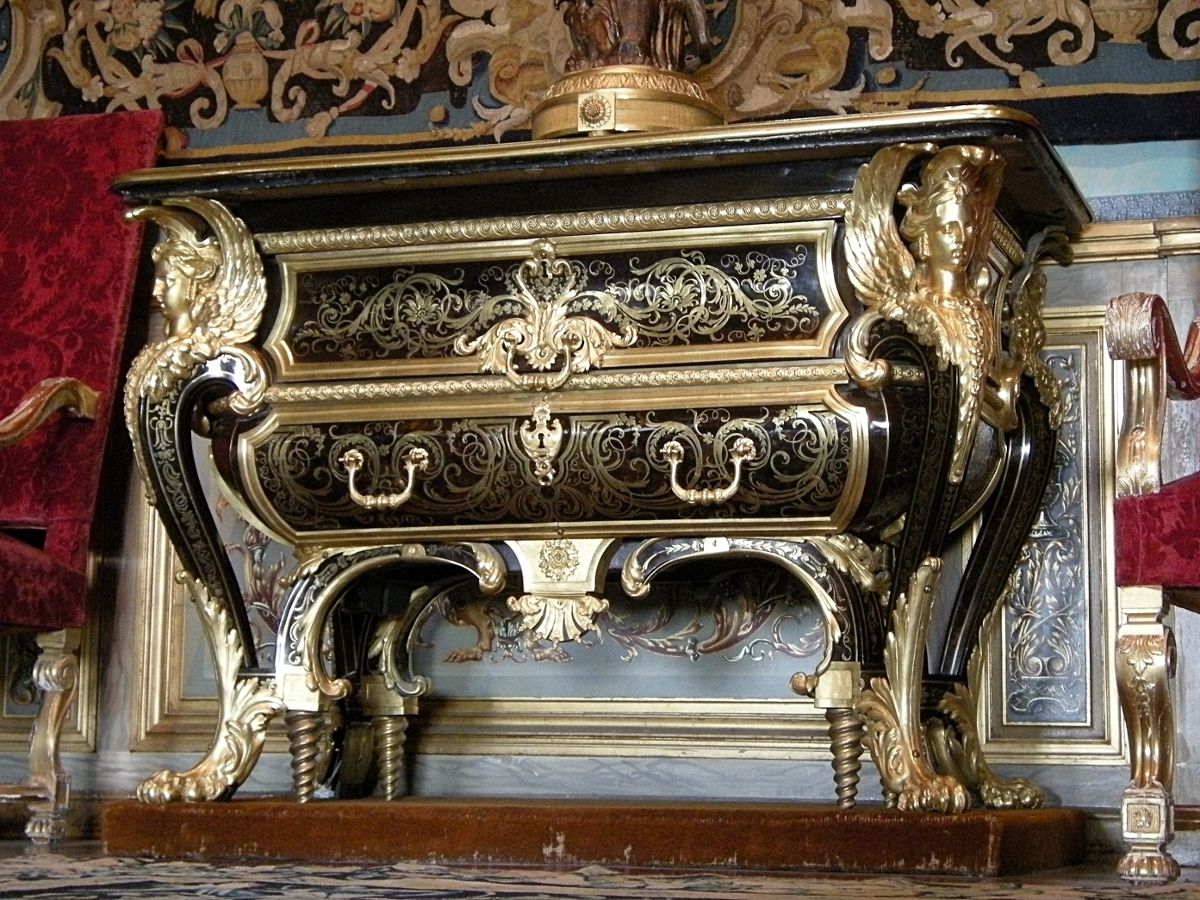
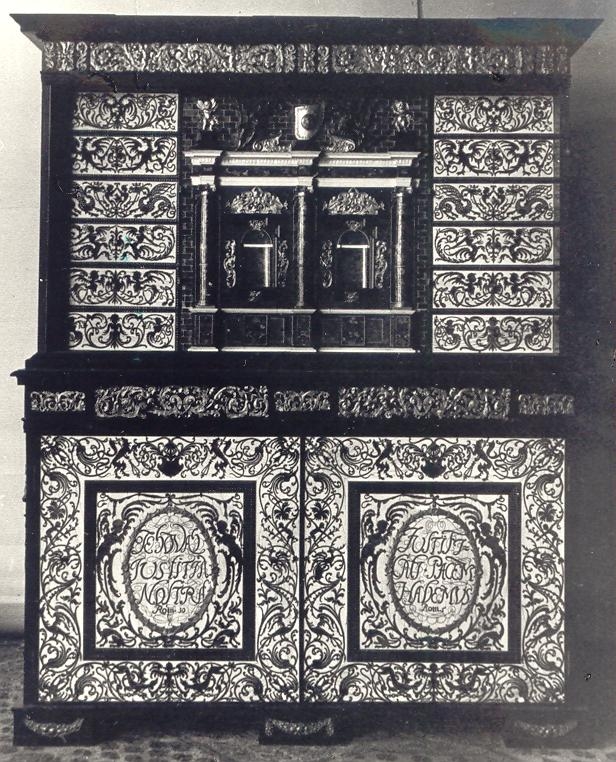
Cabinetmaking (also spelled cabinetmaking or cabinet-making) is the specialized branch of woodworking devoted to producing cabinets, casework and other fine furniture. Unlike general carpentry, which often focuses on structural and rough work, cabinetmaking emphasizes precision, refined joinery, surface finishing and an aesthetic fit between form and function. The craft sits at the intersection of design, material knowledge and hand or machine skill; see spelling and terminology variants and discussions of the trade under fine woodworking.
Image gallery
7 Images



Materials, tools and characteristics
Cabinetmakers work with solid woods, plywoods, veneers, laminates and engineered boards. Typical processes include measuring and layout, cutting, joinery, assembly and finishing. Tools range from traditional hand instruments to modern machinery:
- Hand tools: chisels, hand planes, saws and marking gauges
- Power tools: table saws, routers, planers and sanders
- Joinery aids: jigs, clamps and templates
- Finishing: stains, varnishes, lacquers and polish techniques
Joinery and common processes
Precision joinery is a hallmark: dovetails, mortise-and-tenon, finger joints, dowels and dados are widely used to ensure strength and neat appearance. Veneering and marquetry add decorative surfaces while hardware (hinges, slides, handles) integrates function. Final finishing both protects the wood and defines the object's visual character.
History and development
The craft evolved from medieval joinery and guild traditions, advancing through Renaissance cabinetmakers who combined woodworking with decorative arts. The Industrial Revolution introduced machine production and standardized components, changing how cabinetmaking was organized: bespoke workshops persisted alongside factories. In recent decades there has been renewed interest in bespoke and artisanal furniture as well as contemporary commercial cabinetry.
Uses, styles and importance
Cabinetmaking produces built-in kitchen and bathroom cabinetry, freestanding case pieces, wardrobes, desks and specialized fixtures. Styles range from traditional joinery to modern minimalism and bespoke period reproductions. Conservation and restoration are important specializations for preserving historic pieces.
Distinctions and training
The term overlaps with cabinetmaking, joinery and cabinetry but generally denotes a higher degree of finish and joinery complexity. Training commonly occurs via apprenticeships, technical programs or on-the-job experience, and professional makers may combine CAD design and CNC machining with time-honored handwork. For examples of cabinet types and related furniture, see references to cabinets and furniture.
Related articles
Author
AlegsaOnline.com Cabinetmaking: craft, techniques, and history Leandro Alegsa
URL: https://en.alegsaonline.com/art/15848
Sources
- seattlecentral.edu : "Cabinetmaking"
- nytimes.com : "Cabinet-Making Team That Dazzled the Elite,"
- history.org : "Cabinetmaker"