
Carl Fredrik Reuterswärd — Swedish Painter and Sculptor (1934–2016)
Overview of the life, work and legacy of Carl Fredrik Reuterswärd, the Swedish painter and sculptor best known for his knotted‑gun sculpture 'Non‑Violence'.
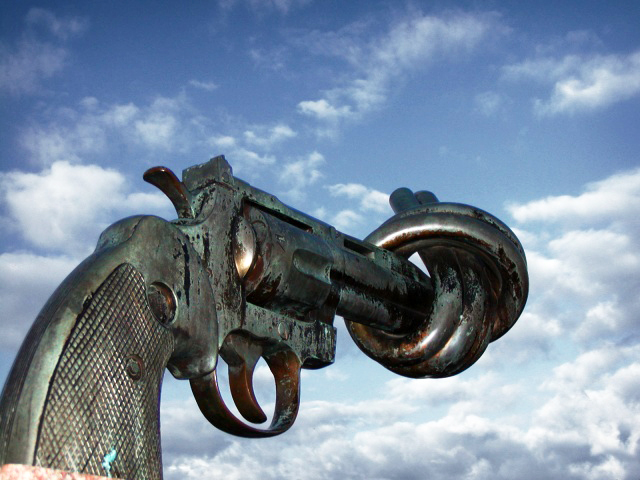
Carl Fredrik Reuterswärd (4 June 1934 – 3 May 2016) was a Swedish artist whose career spanned painting, sculpture and public art. He is internationally recognised for the sculpture commonly called Non‑Violence or the Knotted Gun, a revolver with its barrel tied in a knot that became a widely used symbol for peace and non‑violent protest. Reuterswärd combined figurative skill with conceptual clarity and was active in both academic and public spheres.
Image gallery
3 Images
Life and career
Born in Stockholm, Reuterswärd studied art and developed a practice that moved between canvas and three‑dimensional work. He served as a professor of painting at the Royal Academy of Fine Arts in Stockholm from 1965 to 1969 and later held visiting teaching positions abroad. Over decades he exhibited paintings, prints and sculptures in galleries and public venues, and his work attracted attention for its direct visual language and concern with social themes.
Non‑Violence and major works
Reuterswärd created the first version of Non‑Violence in 1980. The sculpture renders a Colt‑style revolver with a knotted barrel; the image functions as a simple, powerful metaphor opposing armed violence. Multiple casts and versions have been installed at public sites worldwide, and a prominent cast is displayed near the United Nations headquarters in New York. The motif has been reproduced on posters, medals and memorials, extending the reach of the original object beyond the gallery.
Style, themes and recognition
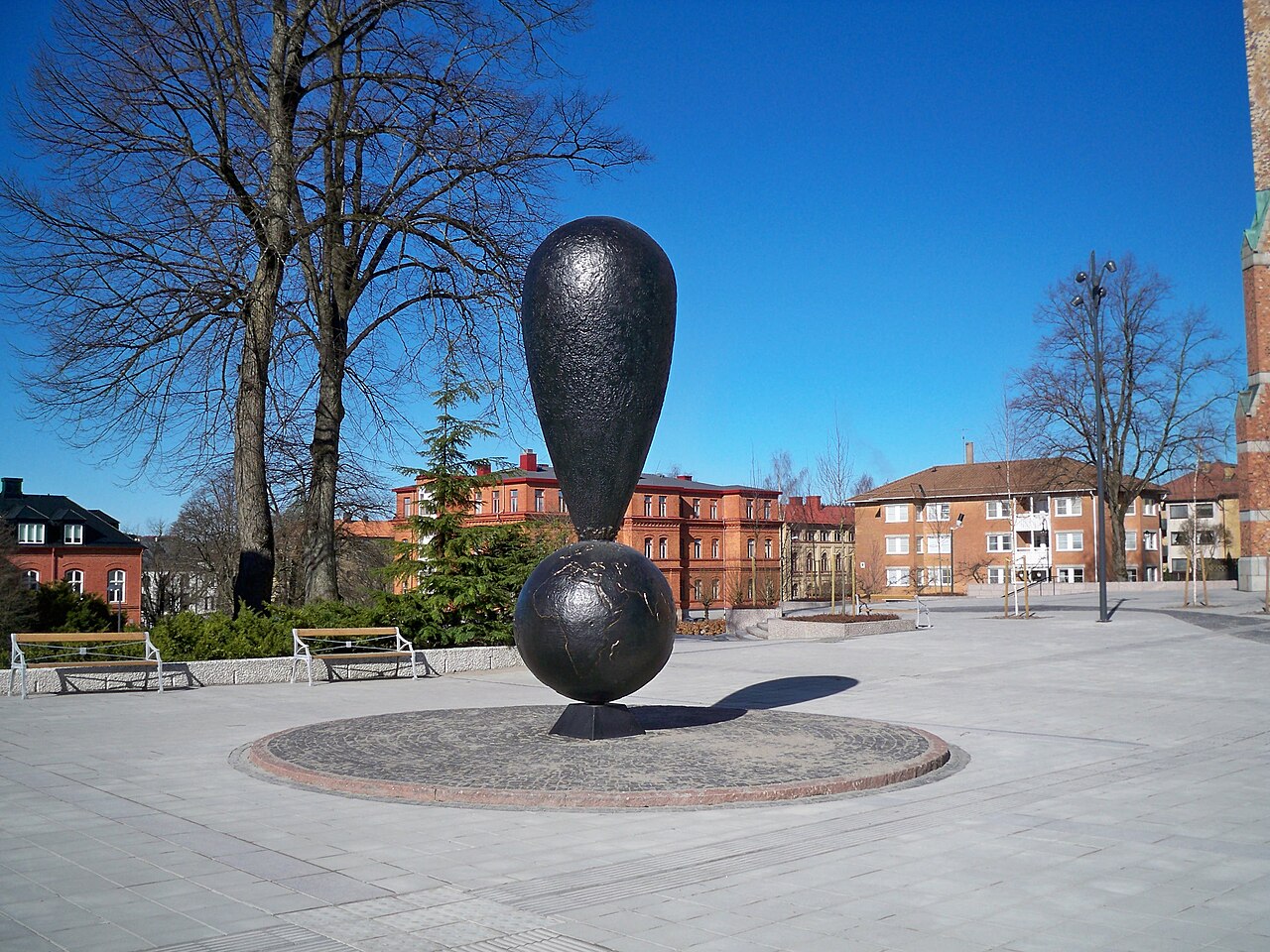
Throughout his career Reuterswärd worked in painting, sculpture and graphic media. His imagery often combines everyday objects with slight distortions or conceptual twists to provoke reflection on ethics, memory and human relationships. He received awards for his painting and public art, including the Prince Eugen Medal in 1986, and continued to produce work and participate in cultural life into later years.
Legacy and further reading
Reuterswärd’s Non‑Violence remains a recurring emblem in campaigns for peace and disarmament. His practice demonstrates how a single, clear visual idea can enter public consciousness and be adapted in different places and contexts. For additional context and resources, see the links below.
Related articles
Author
AlegsaOnline.com Carl Fredrik Reuterswärd — Swedish Painter and Sculptor (1934–2016) Leandro Alegsa
URL: https://en.alegsaonline.com/art/17001
Sources
- royalcourt.se : "List of recipients 1945-2007"
- nytimes.com : "Carl Fredrik Reutersward, Known for Knotted-Gun Sculpture, Dies at 81"