
Minneapolis, Minnesota — Overview and Key Facts
Minneapolis is Minnesota's largest city, part of the Twin Cities with St. Paul. Known for its lakes, parks, the Mississippi River, cultural institutions, and a history tied to milling and commerce.
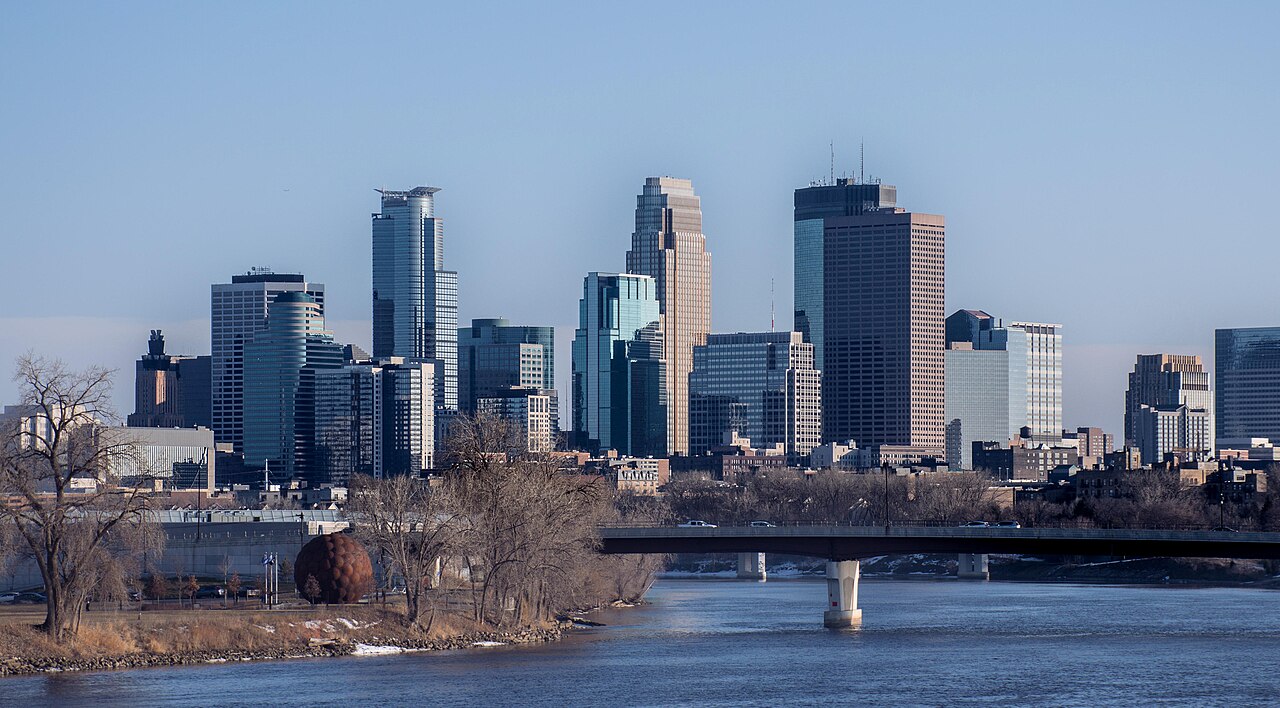
Minneapolis is the largest city in Minnesota and one half of the Twin Cities metropolitan area alongside St. Paul. It lies on both banks of the Mississippi River and is widely recognized for its network of urban lakes, public parks, and cultural institutions. The city serves as a regional center for commerce, education, and the arts, and is linked closely with surrounding suburbs and neighboring St. Paul by road, rail and air.
Image gallery
10 Images




Geography and city layout
Minneapolis occupies a riverfront setting where the Mississippi flows through a corridor of bluffs and falls. Within the city limits are several small lakes and extensive parkland, forming part of the Grand Rounds Scenic Byway. Neighborhoods range from dense downtown districts to residential areas around the Chain of Lakes; downtown includes business, entertainment and cultural facilities clustered near the river.
History and development
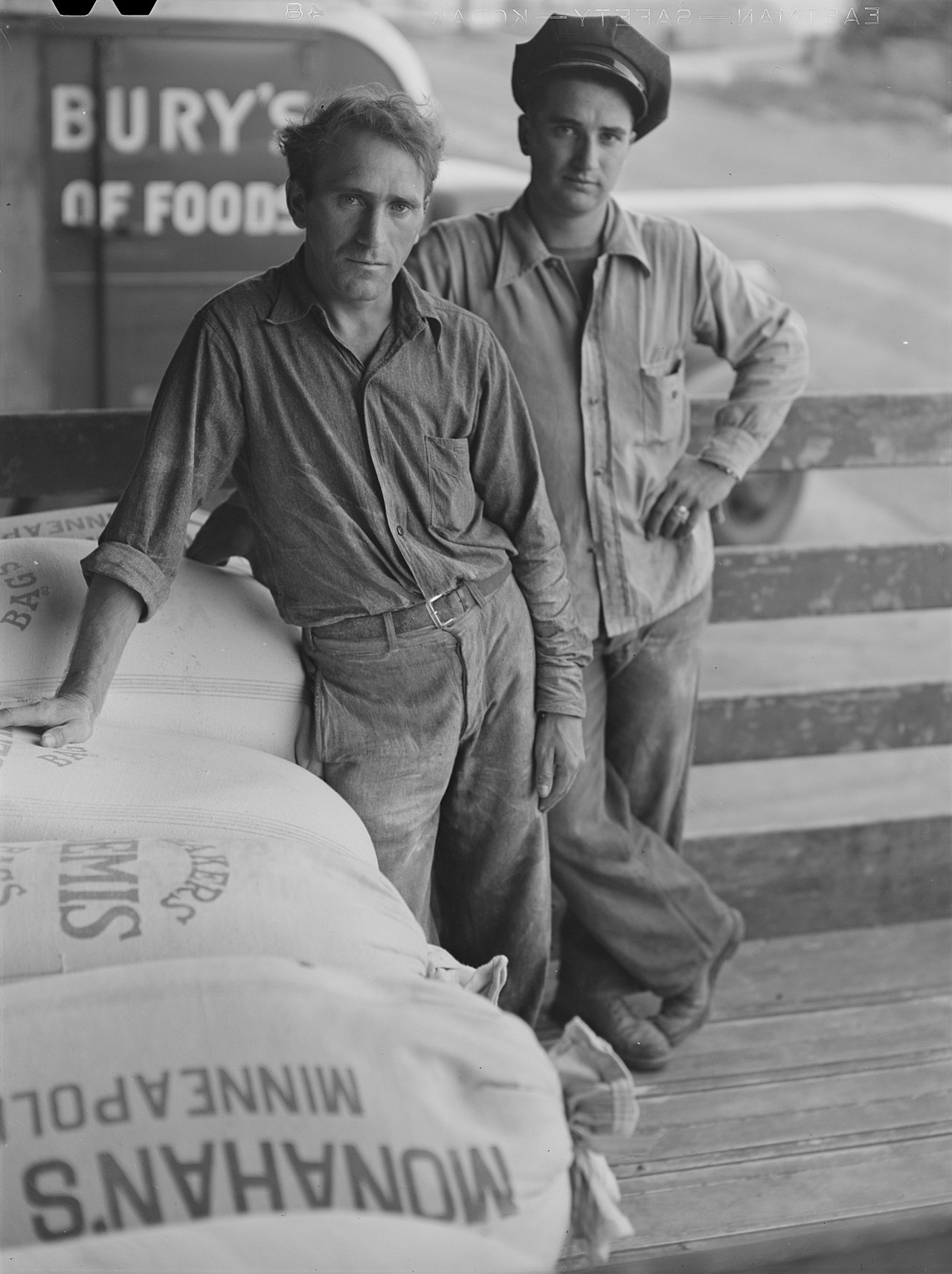
The city's early growth was driven by waterpower and flour milling at St. Anthony Falls, which attracted industry and workers during the 19th century. Over time Minneapolis diversified into commerce, finance, healthcare and retail. The municipal form and civic institutions developed alongside population growth, creating a network of parks, cultural venues and public services.
Economy, education and institutions
Minneapolis supports a varied economy that includes retail, banking, healthcare, technology and professional services. Major employers and regional institutions contribute to employment and research, and the University of Minnesota has a significant campus nearby that influences education and innovation. Civic sites include museums, theaters and galleries that draw residents and visitors alike.
Culture, recreation and notable places
The city is noted for its parks, arts organizations and music scene. Popular public spaces and attractions include:
- Waterfront areas and historic mill district along the Mississippi
- Minneapolis park system and the Chain of Lakes
- Major art museums and performing-arts venues
Visitors can explore historic bridges and trails, or attend performances at well-known theaters and concert halls. For more local information see the city website or regional resources: city information, state resources, and details about the Mississippi River corridor at river resources.
Transportation and climate
Minneapolis is served by regional airports, interstate highways, and a public transit network including light rail and buses that connect neighborhoods and suburbs. The climate is continental, with cold winters and warm summers; seasons influence outdoor recreation and cultural calendars.
Questions and answers
Q: What is Minneapolis?
A: Minneapolis is a large city in the state of Minnesota.
Q: What is the relationship between St. Paul and Minneapolis?
A: St. Paul and Minneapolis are known as the Twin Cities because they are located next to each other.
Q: How many people live in Minneapolis?
A: About 430,000 people live in Minneapolis.
Q: What is the main river that runs through Minneapolis?
A: The Mississippi River runs through the city of Minneapolis.
Q: Is Minneapolis the capital city of Minnesota?
A: No, St. Paul is the capital city of Minnesota.
Q: What is the most notable feature of the cities of St. Paul and Minneapolis?
A: The Twin Cities are notable for being right next to each other.
Q: How does the size of Minneapolis compare to other cities in Minnesota?
A: Minneapolis is the biggest city in the state of Minnesota with about 430,000 people.
Related articles
Author
AlegsaOnline.com Minneapolis, Minnesota — Overview and Key Facts Leandro Alegsa
URL: https://en.alegsaonline.com/art/65261