
Carl Kasell: NPR Newscaster and 'Wait Wait... Don't Tell Me!' Scorekeeper
Carl Kasell (1934–2018) was an American radio personality known for his long tenure as an NPR newscaster and as the official judge and scorekeeper on the quiz show Wait Wait... Don't Tell Me!.
Carl Kasell was a prominent American radio personality whose steady baritone and wry delivery made him a familiar voice to public radio listeners. Born in Goldsboro, North Carolina, he built a career that combined traditional newscasting with a lighthearted role on a popular news quiz program. He remained associated with National Public Radio for decades and retired from regular broadcasting in 2014.
Image gallery
2 Images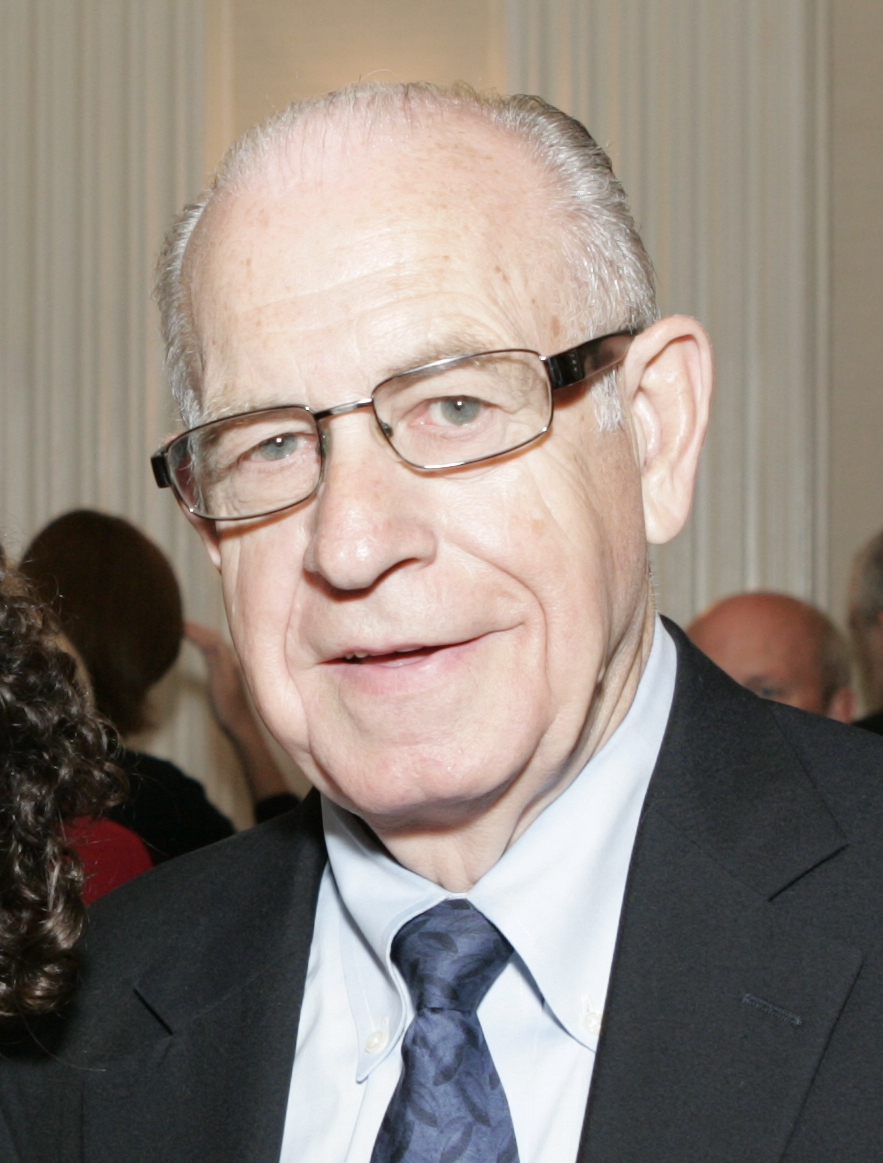

Career and on-air persona
Kasell was best known for reading the news in a clear, authoritative style that audiences found reassuring. Later in his career he became widely recognized for serving as the official judge and scorekeeper of the weekly news quiz Wait Wait... Don't Tell Me!, where his commentary and occasional dry humor added warmth and credibility to the program. He was also known for recording personalized recorded messages that winners of the quiz could use as answering‑machine greetings — a quirky and beloved tradition of the show.
Background and development
Beginning in local radio, Kasell developed the precise delivery and timing that suited both straight news reading and light entertainment. Over time he bridged the worlds of serious journalism and public radio entertainment, helping to shape a format that valued accuracy while allowing room for personality. Colleagues and listeners often pointed to his calm tone and friendly professionalism as hallmarks of his style.
Legacy and notable facts
- Longtime NPR newscaster who became a recognizable national voice.
- Official judge and scorekeeper for Wait Wait... Don't Tell Me!, contributing to the show's popularity.
- Remembered for personalized recorded messages given to contest winners and for his warm, authoritative delivery.
Carl Kasell died at age 84 on April 17, 2018, from complications related to Alzheimer's disease in Potomac, Maryland. His passing prompted widespread reminiscence among public radio listeners and colleagues who remembered him as a dependable news voice and a gentle presence on air. For further reading and archival material on his broadcasts and career, consult public radio collections and program histories.
Related articles
Author
AlegsaOnline.com Carl Kasell: NPR Newscaster and 'Wait Wait... Don't Tell Me!' Scorekeeper Leandro Alegsa
URL: https://en.alegsaonline.com/art/17007