
Cardinal (bird)
Cardinals (family Cardinalidae) are a group of seed-eating passerine birds of the Americas, recognized for stout conical bills, strong songs, vivid male plumage, and species like the Northern Cardinal.
The cardinals, placed in the family Cardinalidae, are a group of primarily seed-eating passerine birds native to North America and South America. They include a variety of forms commonly known as cardinals, grosbeaks and buntings. Many species are familiar in parks and gardens, and several are among the best-known North American songbirds.
Image gallery
10 Images


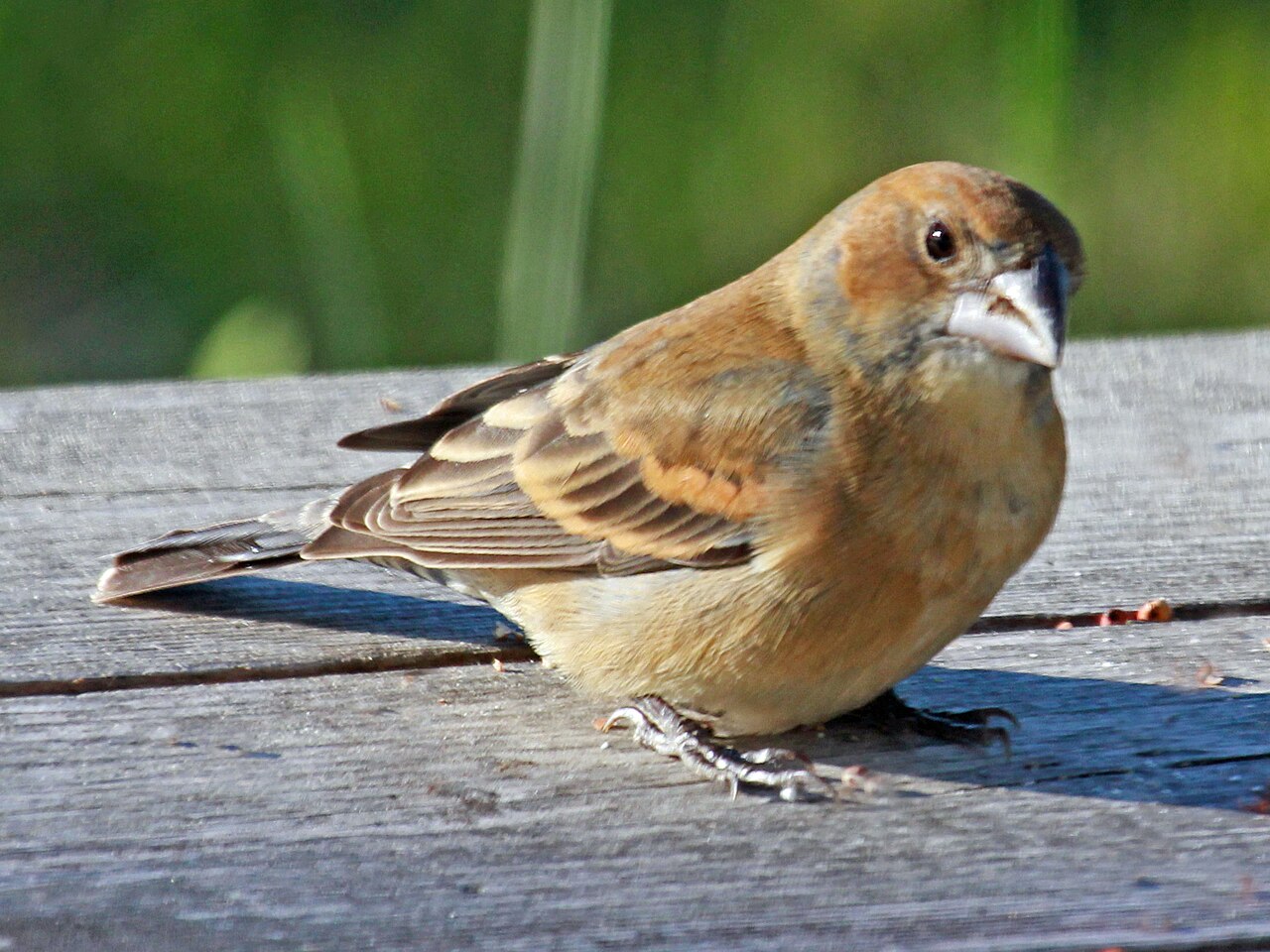

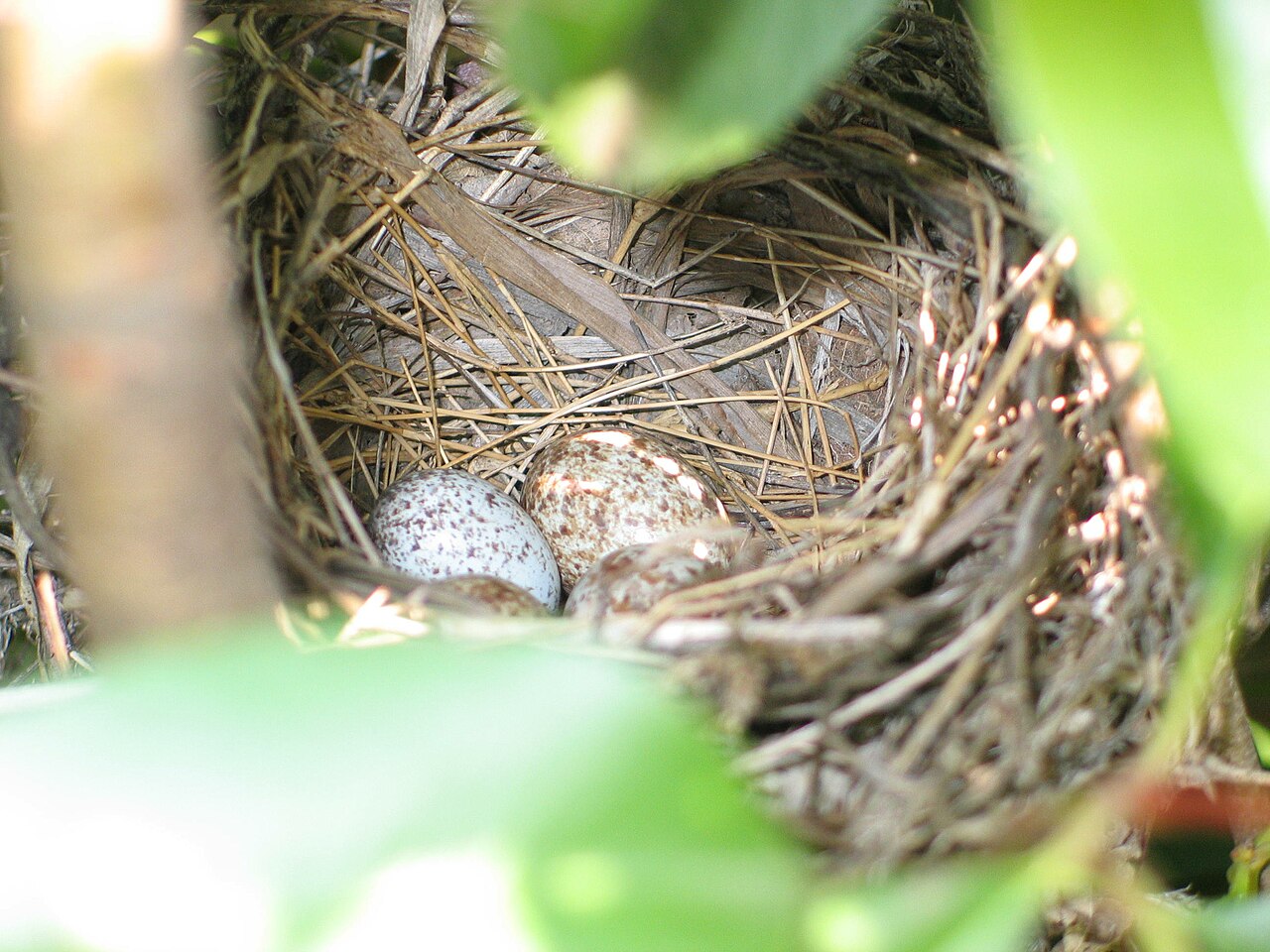


Characteristics
Cardinals are typically robust, medium-sized birds with a strong, conical bill adapted for cracking seeds. Sexual dimorphism is common: males often show bright colors—most famously the red of the Northern Cardinal—while females tend toward subdued browns or olive tones. Plumage, bill shape and vocal behavior vary among genera, but many have rich, melodious songs and clear social displays.
Taxonomy and evolution
The family contains roughly fifty species grouped into several genera. Historically some members were placed with buntings or sparrows, but molecular studies in recent decades have clarified relationships and led to the current composition of Cardinalidae. Well-known members include the Northern Cardinal (Cardinalis cardinalis), Rose-breasted Grosbeak, Indigo Bunting and Painted Bunting.
Distribution, habitat and behavior
Cardinals occupy a broad range of habitats from forests and woodlands to scrub, grassland edges and suburban areas. Many are non-migratory and maintain year-round territories, especially in warmer regions, while others undertake seasonal movements. Their diet is mixed: seeds and fruit form the core, supplemented by insects during the breeding season. Nesting is typically in shrubs or low trees; both parents often take part in feeding nestlings.
Importance and distinctions
These birds are popular with birdwatchers and homeowners because of their colorful males and frequent visits to feeders. The Northern Cardinal has cultural prominence and serves as an official state bird in multiple U.S. states. Cardinalidae can be distinguished from similar families like finches and tanagers by a combination of bill shape, plumage patterns and vocalizations, though identification sometimes requires careful comparison.
Conservation and human interactions
Most cardinal species are not globally threatened and adapt well to altered landscapes, but habitat loss, fragmentation and localized pressures can affect some populations. They are common subjects in studies of song learning, territoriality, and sexual selection, and they remain a visible part of many North and South American bird communities.
Related articles
Author
AlegsaOnline.com Cardinal (bird) Leandro Alegsa
URL: https://en.alegsaonline.com/art/16937
Sources
- aou.org : aou.org