
Cardiodon: Fragmentary Sauropod Genus of Uncertain Classification
Cardiodon, a little-known sauropod genus known from fragmentary remains, is interpreted as a large quadrupedal herbivore whose precise classification and relationships remain uncertain pending better fossils.
Overview
Cardiodon is a poorly known genus of large, long-necked sauropod dinosaur. The available fossils are fragmentary, and on the basis of those remains the animal is reconstructed as a quadrupedal herbivore.
Image gallery
10 Images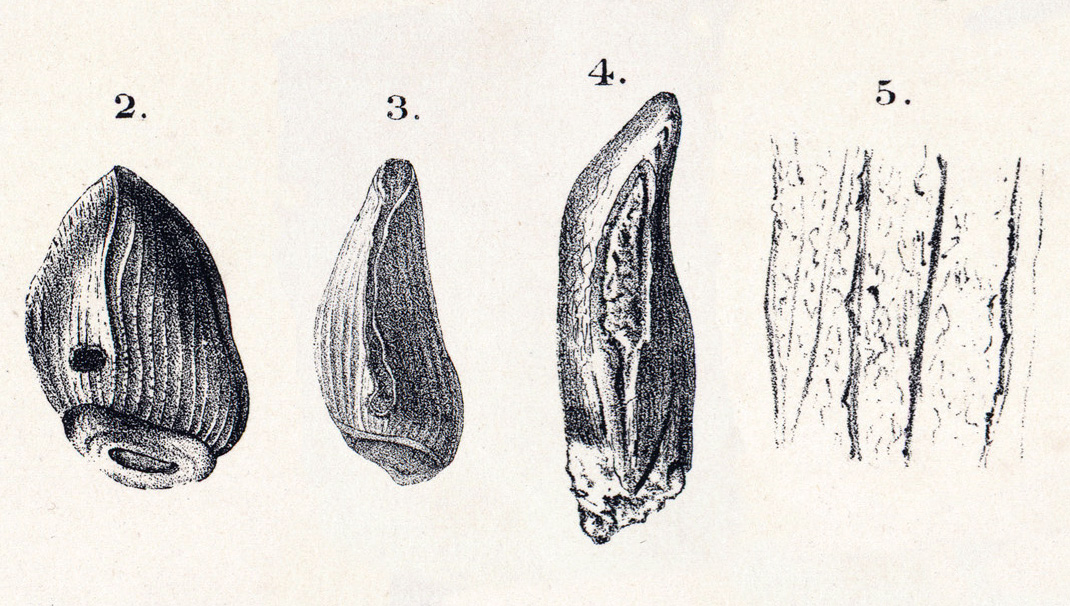


Fossil evidence and status
Only limited material has been attributed to this genus, which makes detailed study difficult. Because most specimens consist of isolated and incomplete elements, scientists are cautious about assigning Cardiodon to a precise place within sauropod diversity. Some researchers regard the name as dubious until more diagnostic material is found.
Classification and research history
Over time, attempts to relate Cardiodon to better-known sauropod groups have been made, but the lack of distinctive features preserved in the fossils prevents a firm consensus. As a result, its relationships remain unresolved in many modern reviews of sauropod taxonomy.
Paleobiology
Interpreting Cardiodon as a sauropod implies a lifestyle similar to other members of the group: a large-bodied, four-legged plant-eater that fed on vegetation. Exact details of its size, neck length, and ecology are unknown from the surviving material.
Key points
- Cardiodon is known from fragmentary fossils and is classified as a sauropod dinosaur.
- The genus is interpreted as a quadrupedal herbivore.
- Its taxonomic position is uncertain due to limited remains, so the name is sometimes treated with caution.
- Future discoveries of more complete bones would be required to clarify its anatomy and relationships within Sauropoda.
Tags
Related articles
Author
AlegsaOnline.com Cardiodon: Fragmentary Sauropod Genus of Uncertain Classification Leandro Alegsa
URL: https://en.alegsaonline.com/art/16948