
Sudden cardiac death: causes, recognition, prevention, and response
Sudden cardiac death is an unexpected natural death from cardiac causes, usually within one hour of symptom onset. This article explains mechanisms, risk factors, emergency response, prevention and notable facts.
Overview: Sudden cardiac death (SCD) describes an unexpected natural death due to a heart problem, most often occurring within a short time—commonly within an hour—after symptoms begin. It differs from chronic heart failure or progressive illness because it is abrupt and frequently occurs in people with previously known or unknown heart disease. The term is used in clinical practice and public health to identify deaths that may be preventable with rapid recognition and treatment.
Image gallery
10 Images


Mechanisms and common causes
SCD most often results from a life‑threatening cardiac arrhythmia. The immediate electrical disturbances that produce collapse are typically ventricular in origin (for example, ventricular fibrillation or pulseless ventricular tachycardia). Underlying structural and metabolic conditions create susceptibility to these arrhythmias. Typical underlying contributors include coronary artery disease and prior heart attack, cardiomyopathies, heart failure, inherited electrical syndromes, and significant electrolyte or drug effects.
Risk factors and triggers
Many people who experience SCD have preexisting heart disease, but it can also occur in younger individuals with inherited conditions. Recognized risk factors include a history of myocardial infarction, reduced heart muscle function, certain genetic cardiomyopathies or channelopathies, uncontrolled coronary disease, and some systemic conditions. Acute triggers such as vigorous exertion, acute ischemia, severe electrolyte disturbance, or stimulant drugs can precipitate an event in a vulnerable person.
Recognition and immediate response
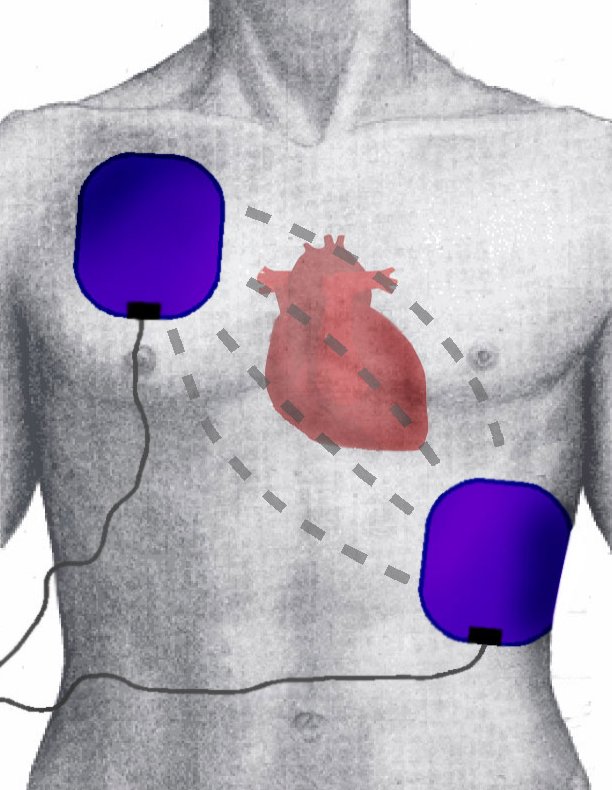
Sudden collapse with loss of consciousness and absence of normal breathing or pulse suggests SCD. Rapid response is critical: check responsiveness, call emergency services, start cardiopulmonary resuscitation (CPR) immediately and use an automated external defibrillator (AED) if one is available. Bystander CPR and early defibrillation are major determinants of survival until advanced care arrives.
- Recognize unresponsiveness and abnormal breathing.
- Activate emergency response (call for help).
- Begin high‑quality chest compressions and rescue breaths per local guidance.
- Apply an AED and deliver shocks if indicated.
Prevention and long‑term management
Prevention strategies target the underlying heart disease and electrical instability. Medical therapy, lifestyle modification, revascularization for coronary disease, and treatment of heart failure reduce overall risk. For people at high risk of life‑threatening arrhythmias, an implantable cardioverter‑defibrillator (ICD) can prevent SCD by detecting and terminating dangerous rhythms. Screening and risk assessment are used selectively, and some approaches—such as broad population screening of asymptomatic people—remain debated.
Public health and notable facts
SCD accounts for a large share of sudden natural deaths and often occurs outside hospital settings. Survival after out‑of‑hospital cardiac arrest depends heavily on the speed of recognition, availability of bystander CPR, and access to defibrillation. Advances in emergency response systems, public AED programs and improved treatments for heart disease have changed outcomes, but SCD remains a major clinical and public‑health challenge. For more clinical guidance and resources see further information and training programs available locally via recommended providers.
Related articles
Author
AlegsaOnline.com Sudden cardiac death: causes, recognition, prevention, and response Leandro Alegsa
URL: https://en.alegsaonline.com/art/94584