
Brain damage: causes, types, effects and recovery
Overview of brain damage: definitions, common causes (traumatic and non‑traumatic), typical symptoms, historical context, diagnosis, treatments and rehabilitation approaches.
Brain damage refers to injury or disease that harms brain tissue and alters its normal function. Damage may affect neurons, supporting glial cells and neural connections, producing changes in cognition, sensation, movement, emotion or behavior. The term covers a wide range of conditions from a single focal injury to widespread cellular loss. For general anatomical context see brain.
Image gallery
8 Images


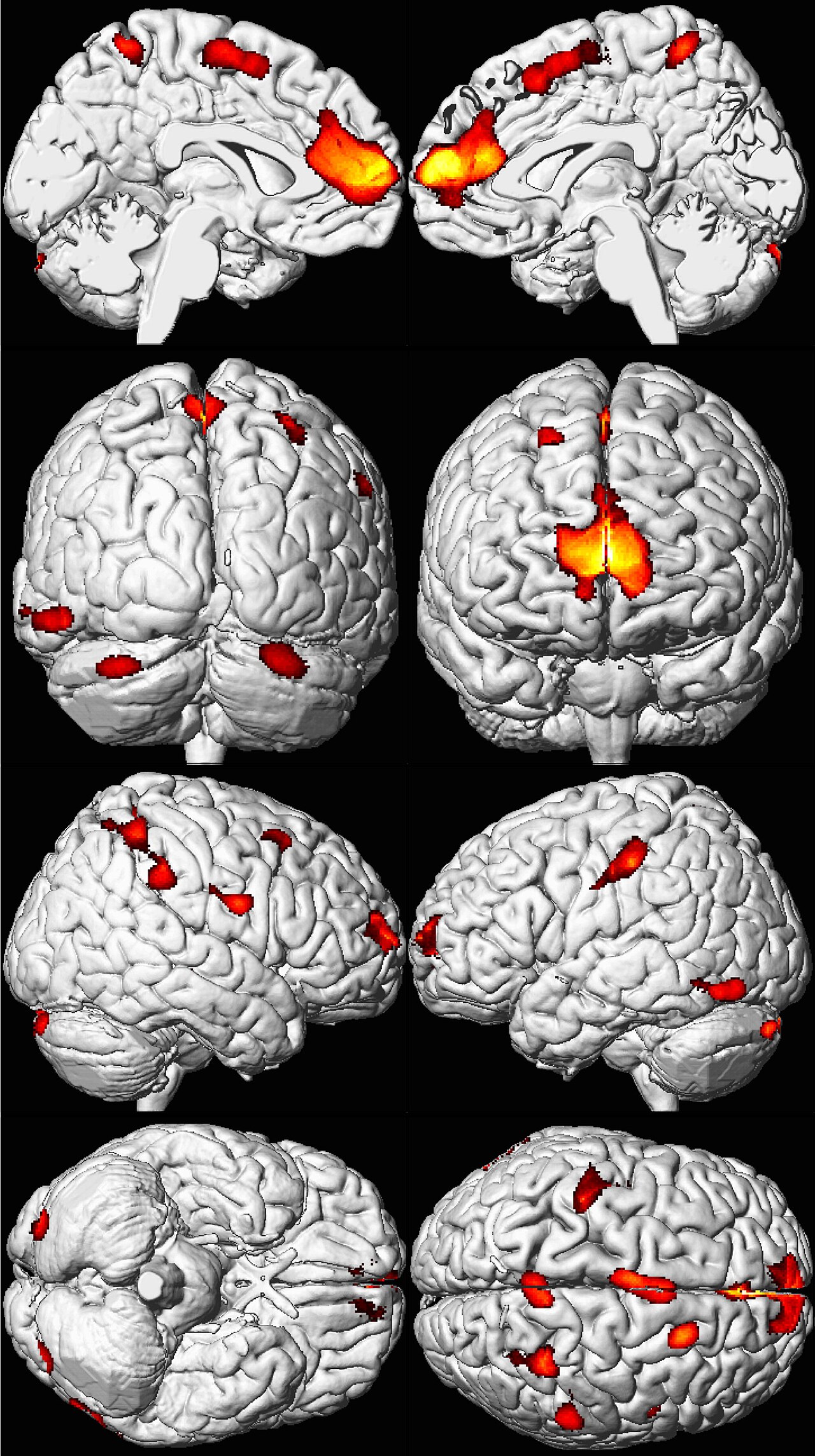

Causes and types
Broadly, brain damage arises from two categories: external mechanical force and internal biological processes. Physical trauma to the head produces a traumatic brain injury (TBI), while stroke, infections, tumors, oxygen deprivation and metabolic disorders cause non‑traumatic damage. Many sources and overviews treat both mechanisms together; further reading on injuries or illnesses is available at injuries or illnesses.
Damage can be focal (localized to one area) or diffuse (affecting networked regions). It commonly injures the cells and circuits that underlie memory, language and motor control. For a focus on the cellular level see cells and for structural considerations see brain structure.
Symptoms and diagnosis
Clinical effects vary with location and severity. Cognitive problems include reduced attention, slowed processing, and impaired thinking. Behavioral and sensory changes include mood shifts, speech disturbance and altered perception. Motor and reflex changes reflect disrupted control of movement and the ability to react. Common signs include:
- Loss of consciousness or confusion
- Memory or language deficits
- Weakness or coordination problems
- Seizures, headaches or sensory loss
Treatment and rehabilitation
Care begins with stabilizing the person and preventing further injury. Acute treatment may include surgery, clot removal, infection control or measures to restore oxygen and blood flow. Long‑term management emphasizes rehabilitation: physiotherapy, speech and occupational therapy, cognitive rehabilitation and psychological support. Recovery can continue for months or years and is often incomplete; therapies aim to maximize independence and quality of life.
Historically, recognition of brain injury dates back to antiquity, but modern diagnosis and treatment have advanced through imaging, neurosurgery and rehabilitation science. Distinguishing traumatic from non‑traumatic causes, identifying affected brain regions, and tailoring multidisciplinary care are central to contemporary practice. For further introductory material see brain, injuries or illnesses and specialist summaries at brain structure, cells, thinking and reacting.
Questions and answers
Q: What is brain damage?
A: Brain damage is when the brain is harmed by illnesses or injuries, resulting in damage to brain cells.
Q: What are the causes of brain damage?
A: Brain damage can be caused by illnesses or injuries.
Q: How does brain damage affect the brain?
A: Brain damage often affects one's brain in a way that stops the brain from thinking or reacting the same way as it did before the brain was damaged.
Q: What is traumatic brain injury (TBI)?
A: Traumatic brain injury is a type of physical damage to the brain that occurs due to injuries.
Q: Has brain damage been known since ancient times?
A: Yes, brain damage has been known since ancient times, as old medical records exist.
Q: Are there different types of brain damage?
A: Yes, traumatic brain injury is one type of brain damage that results from physical injuries, while other types of brain damage can result from illnesses.
Q: Can brain damage be treated?
A: Treatment for brain damage depends on the cause and severity of the damage. There are a variety of treatments available, including medications, therapy, and surgery.
Related articles
Author
AlegsaOnline.com Brain damage: causes, types, effects and recovery Leandro Alegsa
URL: https://en.alegsaonline.com/art/13655
Sources
- books.google.com : Diagnoses in Assyrian and Babylonian medicine: ancient sources, translations, and modern medical analyses
- thejns.org : "Decision making in head injury management in the Edwin Smith Papyrus"
- doi.org : 10.3171/foc.2007.23.1.5
- pubmed.ncbi.nlm.nih.gov : 17961064
- books.google.com : Neurobehavioral consequences of closed head injury
- books.google.com : Neurotrauma: new insights into pathology and treatment
- books.google.com : Traumatic brain injury
- doi.org : 10.1097/00006123-200009000-00002
- pubmed.ncbi.nlm.nih.gov : 10981741
- loc.gov : "Project on the Decade of the Brain"