
Airbus A350 XWB — long-range twin-engine widebody airliner
The Airbus A350 XWB is a long-range, twin-engine widebody airliner built with advanced composites for improved fuel efficiency and cabin comfort. Main variants: A350-900 and A350-1000.
Overview
The Airbus A350 XWB is a modern long-range, twin‑engine widebody aircraft developed and manufactured by the European aerospace company Airbus. Introduced to meet airlines' needs for improved fuel efficiency, lower operating costs and enhanced passenger comfort, the A350 family competes in the market segment occupied by other contemporary widebodies. It is certified for transcontinental and ultra‑long‑haul routes and is offered in multiple cabin layouts that typically accommodate three-class or two-class configurations.
Image gallery
10 Images




Design and key characteristics
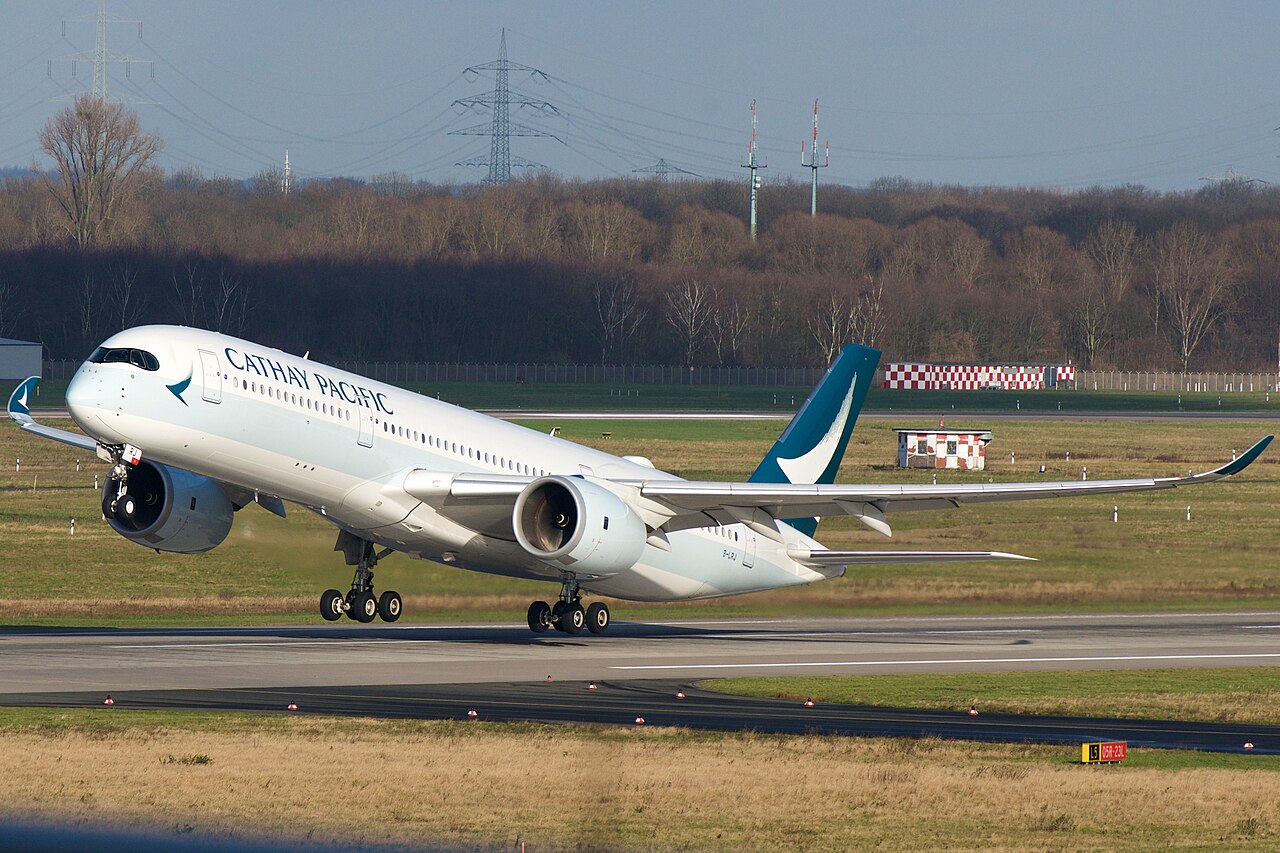
The XWB name stands for "Extra Wide Body" and refers to a fuselage cross‑section wider than earlier Airbus widebodies, designed to improve cabin space and flexibility. The A350 makes extensive use of composite materials, advanced aerodynamics and modern systems to reduce weight and lower fuel burn. It is powered by high‑bypass turbofan engines tailored for the type and features a contemporary flight deck and avionics suite. Cabin improvements emphasize lower perceived altitude, higher humidity, larger windows and reduced noise for passenger comfort.
Variants
- A350-900: the baseline model widely used by many operators.
- A350-1000: a stretched, higher‑capacity variant for denser long‑haul services.
- Other proposals and derivative studies have been discussed by Airbus, including freighter or further stretched versions, reflecting market demand and airline interest.
Typical capacities vary by cabin layout; common three‑class arrangements place passenger counts broadly in the mid‑hundreds. Airlines arrange combinations of first class, business class and economy class seating to match route economics and customer expectations. Published seating ranges often cite figures that depend on chosen density and variant.
Operational history and uses
The A350 family entered airline service in the 2010s and quickly became a staple for international carriers on long‑haul routes. The A350-900 entered service with Qatar Airways as a launch operator; the larger -1000 variant followed later. Major operators include a mix of full‑service carriers that use the type for long, thin routes as well as high‑demand trunk services. The aircraft is used for scheduled passenger operations, and Airbus and its customers continue to explore cargo and special‑mission derivatives.
Significance and notable facts
The A350 is notable for its integration of composite structures into a large airliner platform and for delivering improvements in fuel efficiency and passenger comfort over previous generation types. Its development reflects industry trends toward lighter materials, more efficient engines and cabins designed around passenger experience. For technical specifications, certifications and fleet lists consult manufacturer and operator resources via official channels or industry databases.
Further reading and references are available from manufacturer publications and airline fleet pages: capacity and layout information.
Related articles
Author
AlegsaOnline.com Airbus A350 XWB — long-range twin-engine widebody airliner Leandro Alegsa
URL: https://en.alegsaonline.com/art/1673
Sources
- airbus.com : New Pricelist 2013
- airbus.com : "A350-1000"
- flightglobal.com : "PICTURES: Cathay Pacific receives its first A350-1000"