
Airliner — Commercial Passenger and Cargo Aircraft
An airliner is a large aircraft designed to carry passengers and freight for commercial operations. This article explains types, design, history, uses, and distinguishing features of airliners.
Overview
An airliner is a fixed-wing aircraft built primarily for transporting passengers, cargo, or a combination of both on scheduled or charter services. Typically operated by airlines, airliners range from small regional types to very large long-haul aircraft. They are designed to meet operational, safety and economic requirements for commercial air transport and are certified under civil aviation rules in their country of registration.
Image gallery
10 Images


Design and principal components
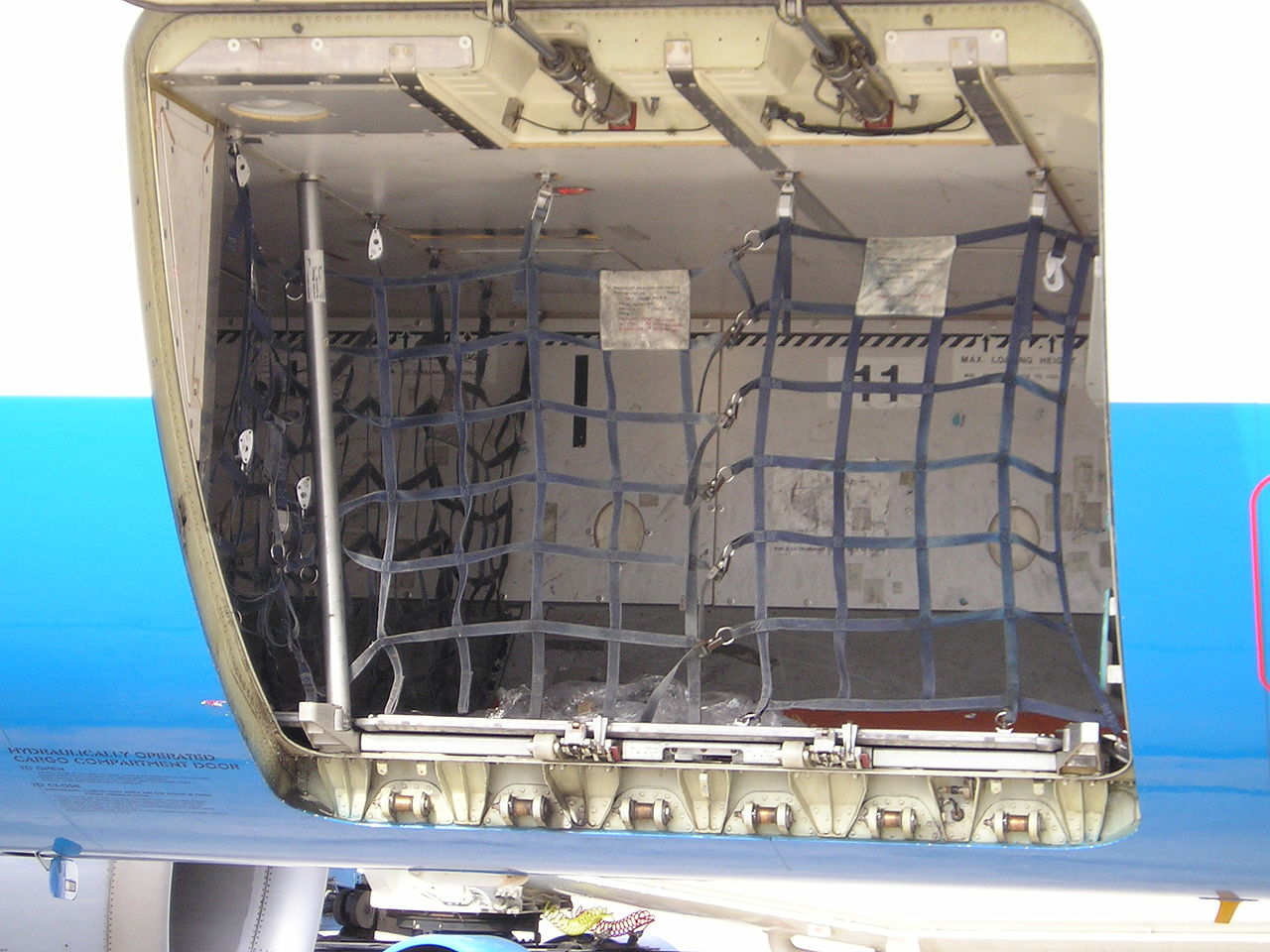
Airliners share common elements adapted for efficiency, comfort and reliability. Key parts include the fuselage (pressurized cabin and cargo holds), wings with high-lift devices, engines (turbofan or turboprop), flight deck with avionics, and retractable landing gear. Cabin layouts can vary from single-aisle rows to twin-aisle wide cabins with multiple classes of seating and galleys for catering. Modern airliners also incorporate systems for pressurization, environmental control, and redundancy for critical controls and power.
Types and examples
Manufacturers and operators commonly classify airliners by size, range and seating layout:
- Narrow-body (single-aisle) — one passenger aisle; used on short- and medium-haul routes. Examples include families of single-aisle jets commonly flown by low-cost and legacy carriers.
- Wide-body (twin-aisle) — two passenger aisles; intended for medium- to long-haul routes and higher passenger volumes.
- Regional aircraft — smaller jets and turboprops serving short regional routes and feeder services.
- Freighters and combi — variants modified or purpose-built to carry freight, or a mix of cargo and passengers.
Examples of each category are widely known across the industry, and operators choose types to match demand, runway limits, and economic targets.
History and development
The evolution of airliners spans from early mail and passenger transports in the 1920s and 1930s to the piston-engined transports that became common after the 1930s. The postwar decades saw the arrival of the turbofan-powered jet age, which increased speed and range and changed route structures. Subsequently, larger wide-body designs enabled mass long-distance travel, while continued advances have focused on fuel efficiency, noise reduction, and reliability. Certification standards, air traffic improvements and international route networks developed alongside aircraft technology.
Uses and operational importance
Airliners are the backbone of scheduled air transport, linking cities, regions and continents. They enable business travel, tourism, mail and cargo logistics, and humanitarian operations. Airlines configure fleets to serve point-to-point and hub-and-spoke models; operational practices such as crew scheduling, maintenance cycles and airport infrastructure all revolve around airliner capabilities. Adaptability for different roles—passenger, all-freight, or mixed-use—adds resilience for airlines and air cargo operators.
Distinctions, trends and notable facts
Notable distinctions include the twin-aisle versus single-aisle layout, and the number of engines: modern twin-engined jets dominate long-range markets due to improved reliability and regulatory extensions for overwater operations. Current industry trends emphasize fuel-saving materials and systems, lower emissions, and improved passenger comfort. Safety, noise and environmental regulations continue to shape airliner design and operations. For more general information about aircraft categories and commercial operations see airliner resources and references on airline networks such as airline hubs.
Tags
Related articles
Author
AlegsaOnline.com Airliner — Commercial Passenger and Cargo Aircraft Leandro Alegsa
URL: https://en.alegsaonline.com/art/1700
Sources
- globalsecurity.org : "Narrow-Body / Single Aisle Aircraft"