
Business class (air and rail travel)
Business class is a premium travel category on some airlines and rail services offering enhanced seating, service, and priority handling above economy and domestic first class.
Overview
Business class—also called executive class or upper class—is a premium passenger category offered on many long-distance and some short-distance airlines and rail operators. It sits above standard economy class and domestic first-class cabins in terms of comfort and service but is usually positioned below international first class. In practice, the precise level of amenities varies widely by carrier, route and whether the journey is short-haul or long-haul.
Image gallery
10 Images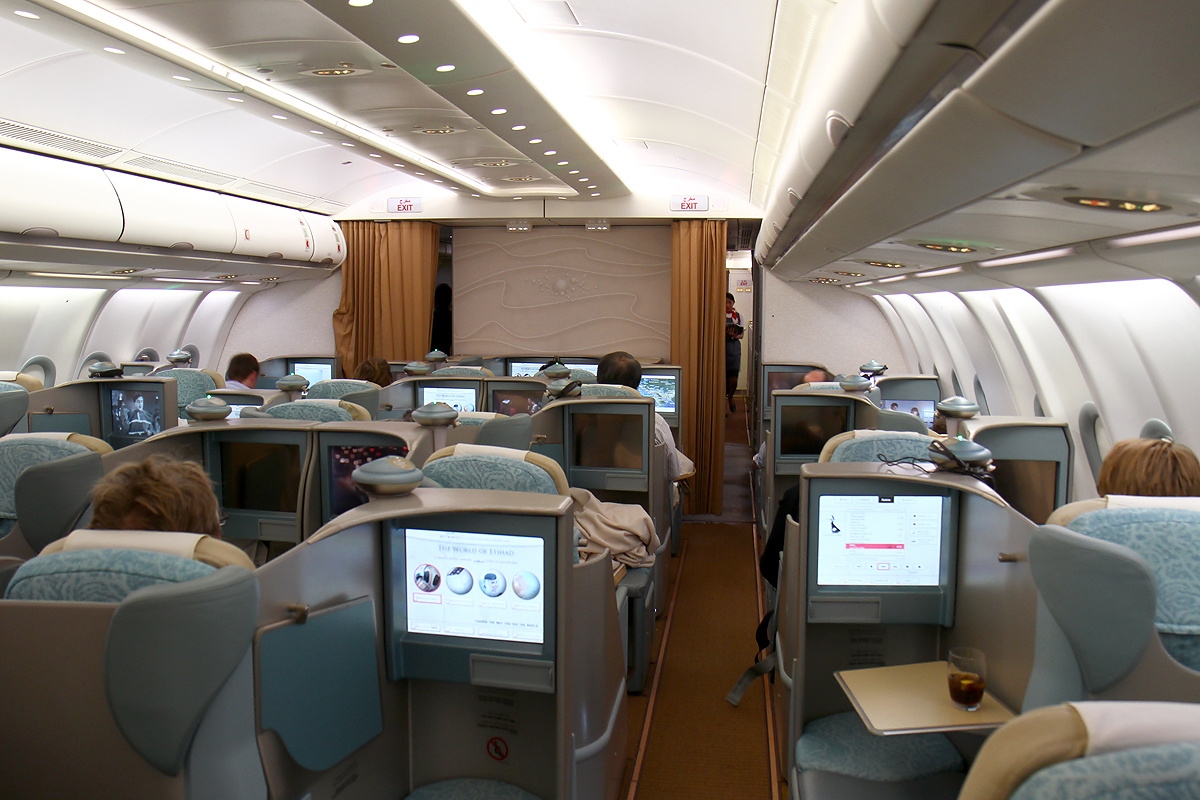





Typical characteristics
Business-class products are designed to improve comfort, privacy and productivity for travelers. Common features include:
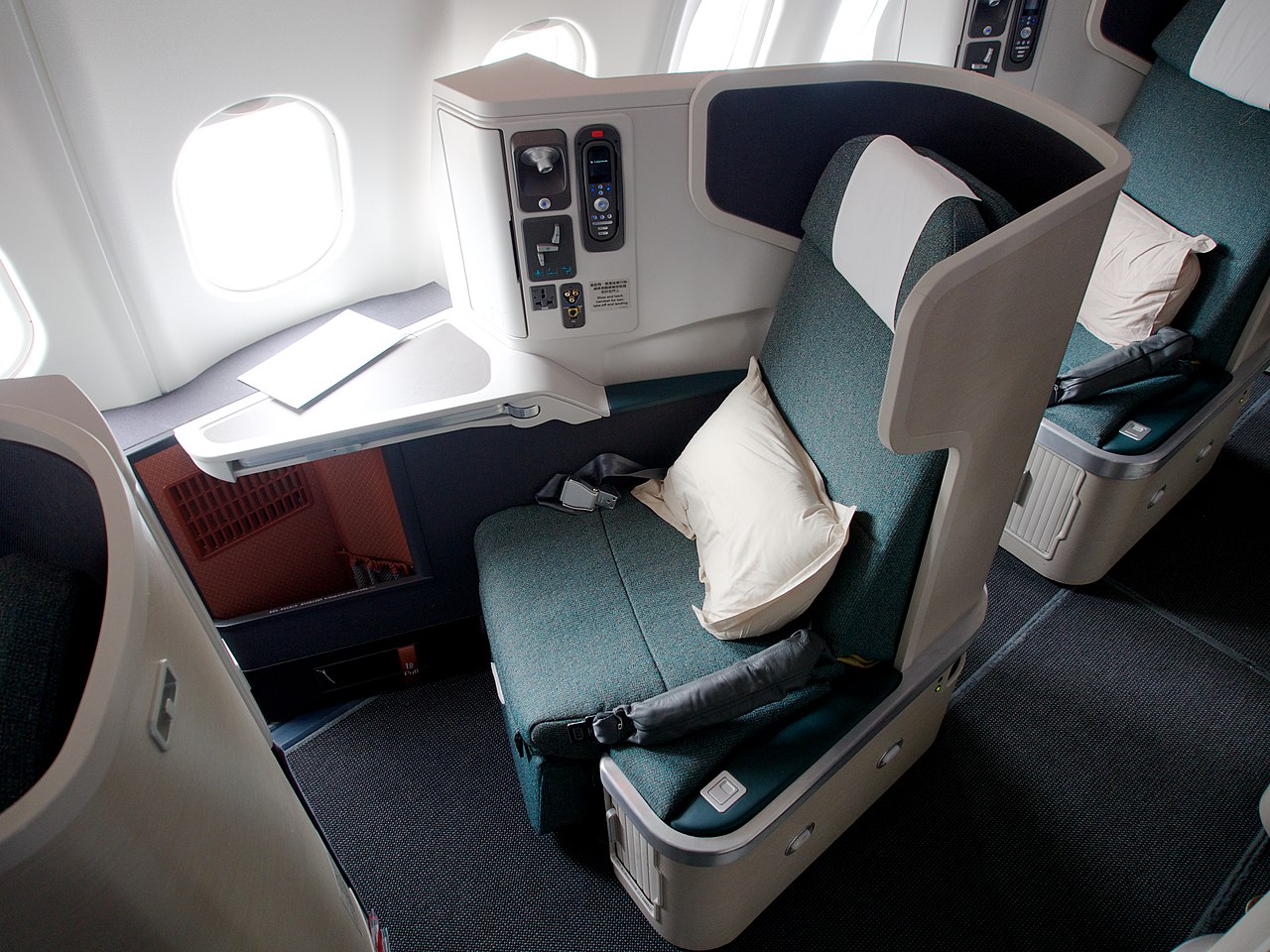
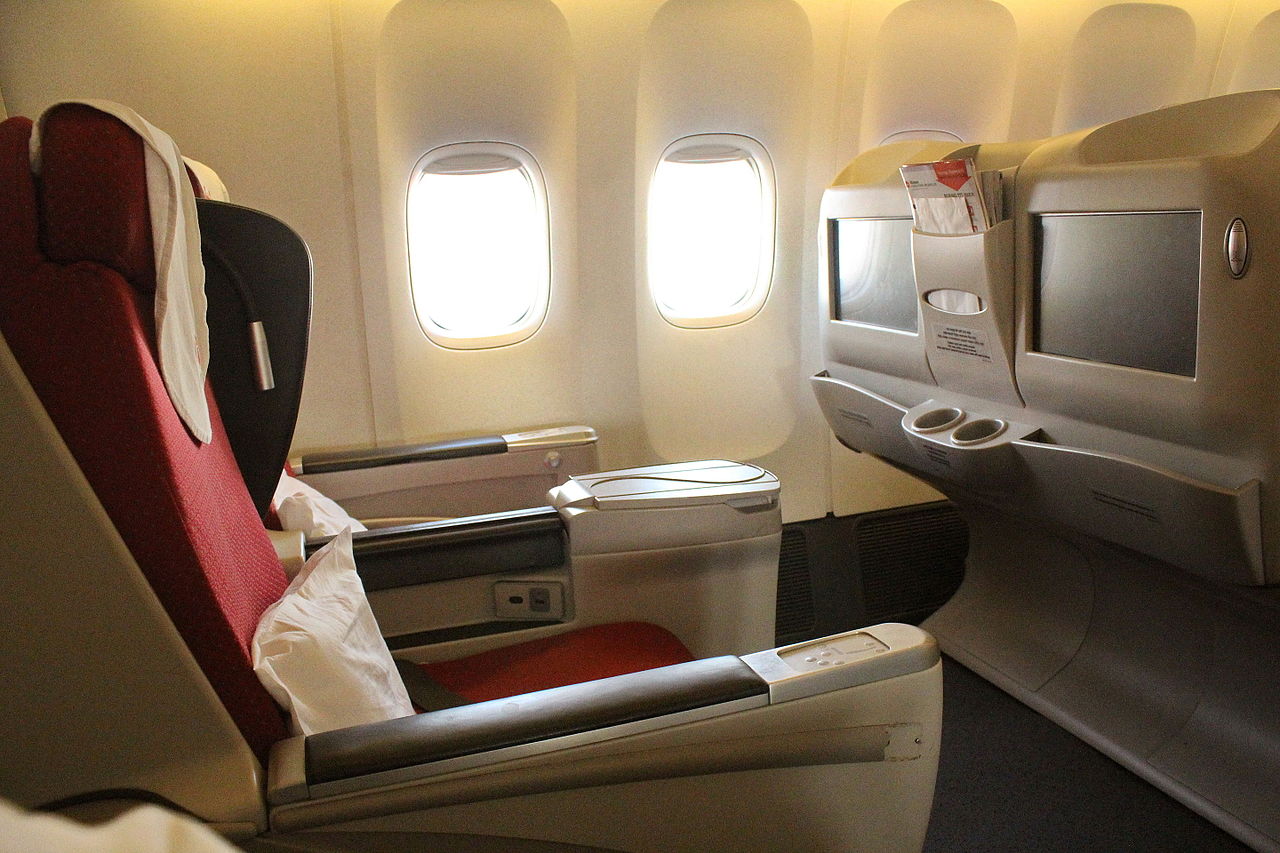
- Enhanced seating: wider seats, greater pitch and often lie-flat or angled-flat beds on long-haul aircraft.
- Improved service: premium meals, dedicated cabin crew and larger amenity kits.
- Priority handling: expedited check-in, priority boarding, and fast-track security where available.
- Ground benefits: access to airline or station lounges, preferred seating and additional baggage allowance.
- In-seat technology: power outlets, larger inflight entertainment screens and better connectivity options.
History and development
The term and the concept emerged as airlines sought to serve corporate customers who wanted more comfort than economy but did not require the exclusivity of first class. Through the 1980s and 1990s carriers experimented with staggered seating, enclosed suites and flat beds; by the 2000s many long-haul aircraft regularly offered lie-flat seats in business cabins. Over time, competition and changing demand led some airlines to remove first class entirely and make business class their top product on international routes.
Uses, importance and examples
Business class is most commonly purchased by corporate travelers, freelancers and leisure passengers willing to pay a premium for space and convenience. Companies often use negotiated fares for frequent employees. Frequent-flyer programs and mileage redemptions also make business class accessible through upgrades or award tickets. On trains, business-class compartments may offer more legroom, quieter environments and included refreshments.
Variations, distinctions and practical notes
Not all business-class products are equal: a short-haul European business cabin may simply mean blocked middle seats and better food, while transcontinental and intercontinental business cabins provide full-flat beds and enclosed suites. Travelers should compare seat maps, service reviews and fare rules before purchasing. Upgrades and rewards availability, corporate policies and route-specific configurations affect value. Finally, because carriers frequently redesign cabins and change branding, the name "business class" is a broad label that can encompass a wide spectrum of comfort and service.
Tips for travelers
To make the most of business class, check luggage allowances and lounge access policies, review seat recline and privacy on seat maps, and consider booking refundable or flexible fares if schedules may change. Loyalty status and timely upgrade bids can turn a higher-cost ticket into excellent value for long journeys.
Related articles
Author
AlegsaOnline.com Business class (air and rail travel) Leandro Alegsa
URL: https://en.alegsaonline.com/art/15602
Sources
- nytimes.com : "On some airlines, business class goes first"
- commons.wikimedia.org : Business Class