
Airbus A380 — double-deck superjumbo passenger airliner
The Airbus A380 is a four-engined, full-length double-deck widebody airliner and the world's largest passenger aircraft, designed for high-capacity, long-haul routes and notable for its quiet cabin and spacious interiors.
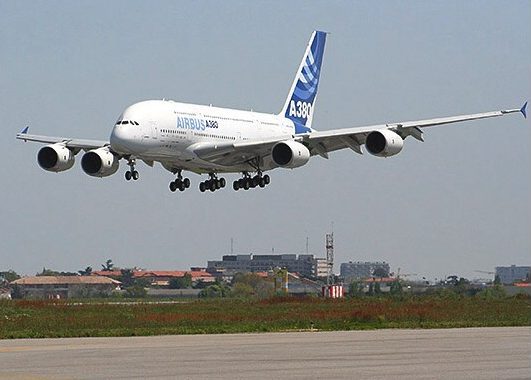
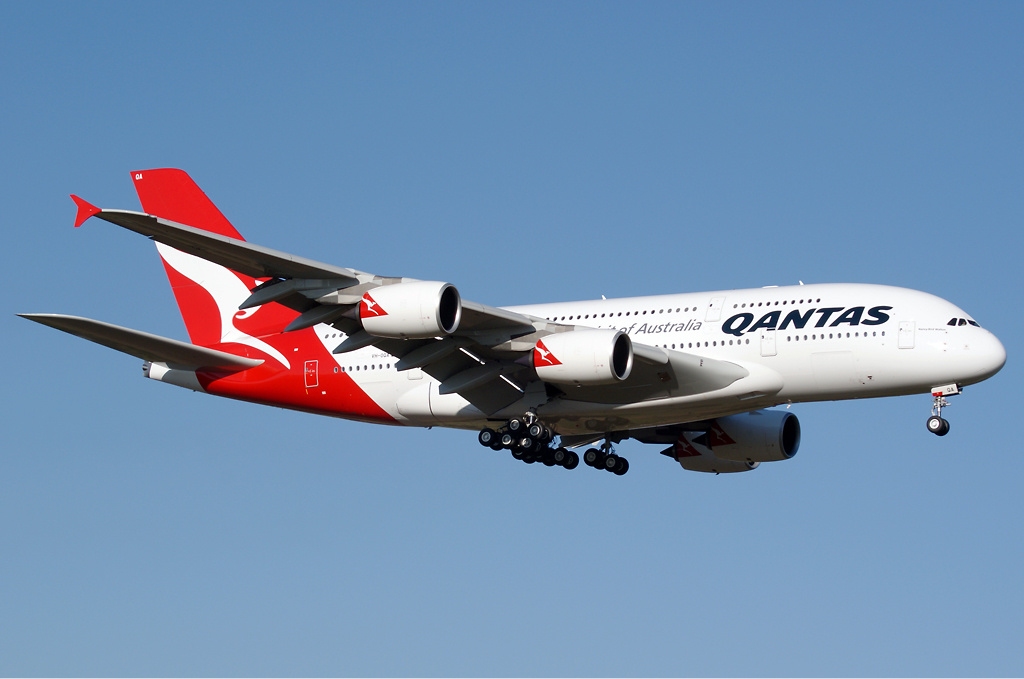
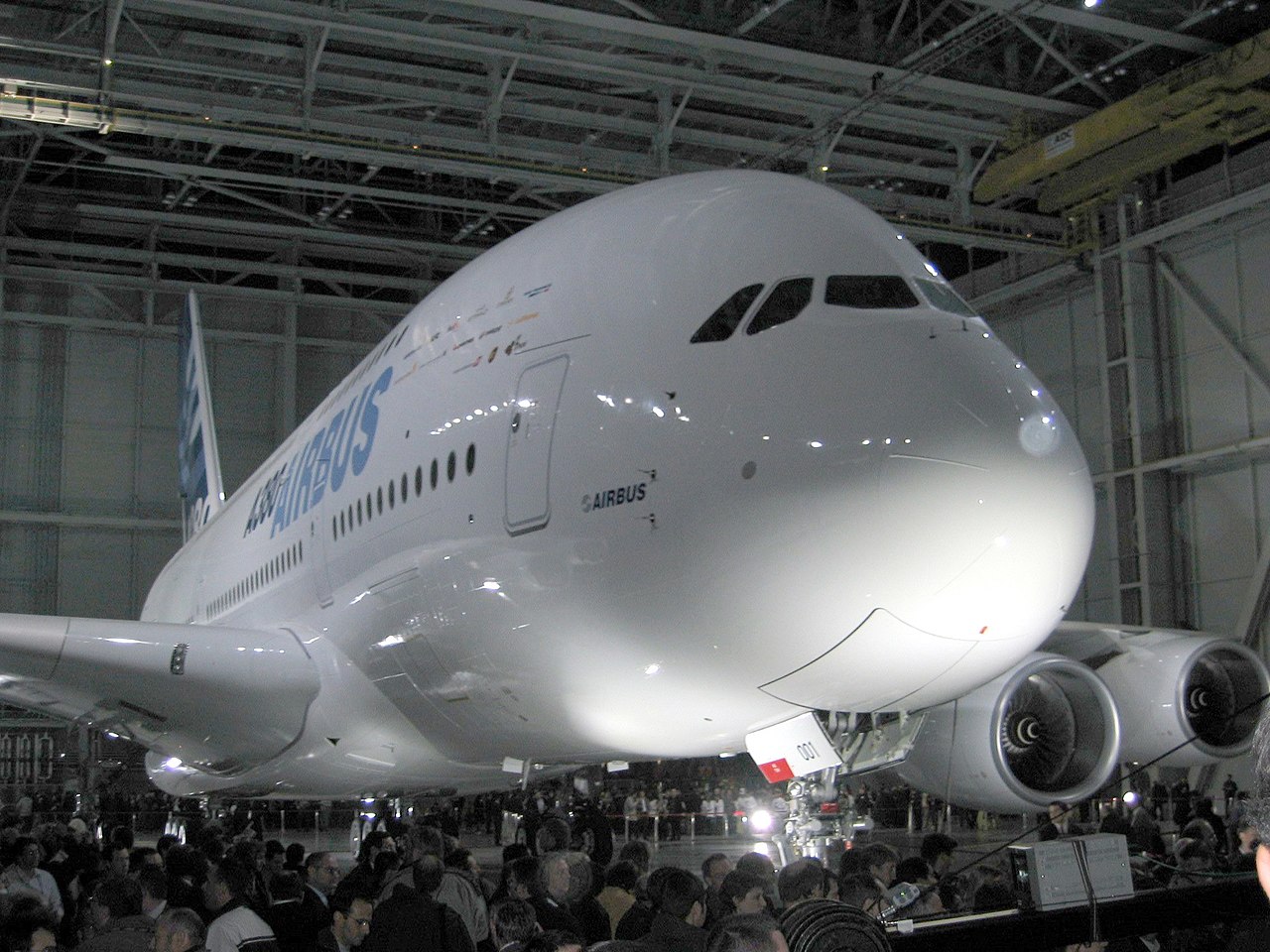
The Airbus A380 is a four-engined, full-length double-deck widebody airliner built to carry large numbers of passengers on long-haul routes. It is widely recognized as the largest passenger airplane in service and was developed to compete with earlier very large aircraft such as the Boeing 747. While it holds the title for passenger capacity, some heavy cargo aircraft such as the Antonov An-225 are physically larger.
Image gallery
10 Images





Design and characteristics
The A380 features two full passenger decks that extend along the fuselage, a wide cabin cross-section that allows flexible seating and premium arrangements, and four high-bypass turbofan engines. Typical airline layouts seat between about 400 and 600 passengers in two- or three-class configurations; in an all-economy layout the type can be configured for up to around 850 seats. Key powerplant options included the Rolls-Royce Trent family and the Engine Alliance GP7200 (a joint venture between General Electric and Pratt & Whitney).
- Full-length double-deck configuration and wide fuselage for generous cabin space.
- Designed for long-range hub-to-hub operations, with a range suitable for intercontinental flights.
- Advanced aerodynamics and materials for the time of its design, reducing noise and improving passenger comfort.
History and development
The A380 program was conceived to address projected growth in hub-to-hub travel and the demand for high-capacity aircraft. The prototype first flew in 2005 and the type entered commercial service in 2007. Airbus announced a slowdown and eventual end to A380 production in response to shifting airline preferences toward more fuel-efficient twin-engine long-range jets; the final aircraft were delivered in the early 2020s.
Operational role and importance
Airlines deployed the A380 on dense international routes where airport slot constraints or very high demand favored a large single aircraft. The airliner became known for quiet cabins, spacious layouts that allowed dedicated bars and lounges on some operators, and a comfortable flying experience on long sectors. Over time, changes in airline network strategies and improvements in twinjet efficiency reduced new demand for very large four-engine airliners.
Notable distinctions and context
The A380 is often compared with earlier or larger types: it surpassed the Boeing 747 as the largest passenger airliner and contrasted with freighter giants such as the Antonov An-225. It remains a notable engineering achievement and a symbol of the era when very large aircraft were seen as a solution to airport congestion and long-haul demand.
Further reading: Airbus A380 overview, manufacturer information at Airbus, comparisons with other large airliners like the Boeing 747 and freight types such as the Antonov An-225. Technical details on engine choices are available from Rolls-Royce and the Engine Alliance.
Related articles
Author
AlegsaOnline.com Airbus A380 — double-deck superjumbo passenger airliner Leandro Alegsa
URL: https://en.alegsaonline.com/art/1674
Sources
- news.bbc.co.uk : "Timeline - Airbus A380 'superjumbo'"
- airbus.com : "Specifications Airbus A380"
- airbus.com : "Orders and deliveries"
- singaporeair.com : Our Fleet
- planespotters.net : "Airbus A380 Operators"
- news.bbc.co.uk : "Airbus freighter woes hit EADS"
- aviation-safety.net : aviation-safety.net/asndb/321226
- theguardian.com : theguardian.com/business/2010/nov/18/qantas-replaces-rolls-royce-engines