
Fixed-wing aircraft
Fixed-wing aircraft—commonly called airplanes—are heavier-than-air vehicles with rigid wings that produce lift from forward motion. Overview of design, history, types, and uses.
Overview
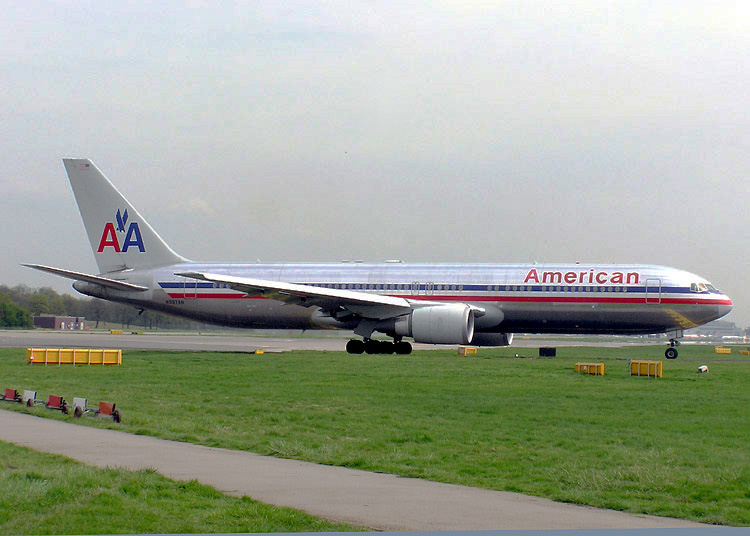
Fixed-wing aircraft are vehicles that generate aerodynamic lift through stationary wings attached to a fuselage. Often called airplanes, aeroplanes, or simply planes, they are heavier-than-air machines designed to travel through the atmosphere by maintaining forward motion and an appropriate wing attitude.
Image gallery
10 Images


Basic characteristics and components
All fixed-wing aircraft rely on a combination of structural parts and control surfaces. The rigid wings are the primary lifting surfaces; as the aircraft moves forward the airflow over and under the wing produces lift. Forward motion is typically provided by propulsion systems such as propellers or jet engines, though some types have no powerplant. Pilots control roll, pitch and yaw with ailerons, elevators and a rudder. Maintaining sufficient forward airspeed is essential for steady flight and maneuvering.
Powered and unpowered types
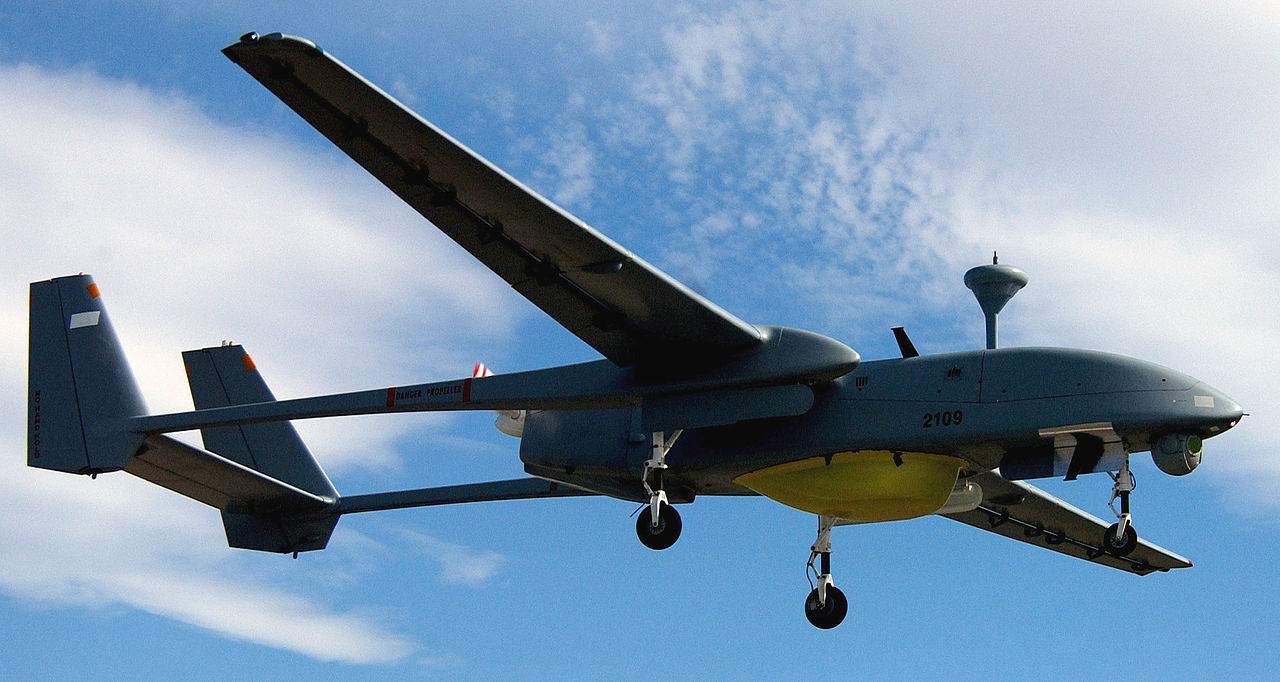
Most fixed-wing aircraft carry engines, which may be piston-driven, turboprop, turbofan or turbojet units; the presence of an engine differentiates powered airplanes from gliders. Gliders and sailplanes are fixed-wing designs that operate without onboard propulsion and depend on gravity, thermals and atmospheric lift to remain airborne. Unmanned aerial vehicles (UAVs) and remotely piloted aircraft also use fixed-wing layouts for efficiency at cruise.
History and development
The fixed-wing concept evolved from early experiments in lift and control. Inventors and engineers refined wing shapes, control systems and propulsion across the 19th and 20th centuries until sustained, controlled powered flight became routine. The basic configuration—fuselage, wings and empennage—has proven adaptable to many roles, from light sport aircraft to high-capacity airliners and high-performance military jets.
Uses, roles and practical considerations
Fixed-wing aircraft serve a broad range of civil and military functions: passenger and cargo transport, aerial surveying, firefighting, agricultural spray, training, and tactical missions. Advantages include higher cruise speeds and better fuel efficiency over long distances compared with rotary-wing craft. Limitations include the need for runways or launch/recovery systems and generally less ability to hover or operate in tight spaces.
Notable distinctions and facts
- Compared with rotary-wing aircraft, fixed-wing types are typically more efficient in cruise and can carry heavier loads per unit of fuel.
- Design variations—such as high-wing, low-wing, swept wings, and delta wings—reflect tradeoffs among speed, stability and payload.
- The term machine in older literature emphasizes the mechanical nature of these craft and their engineering heritage.
For introductory diagrams, performance summaries and further reading see general references and technical manuals: overview, wing theory, airspeed effects, and operational guides for gliders and powered aircraft (lift, gliders, engines).
Readers seeking specific regulatory, maintenance or training information should consult national aviation authorities and certified flight instruction sources: general, technical, flight.
Questions and answers
Q: What is a fixed-wing aircraft?
A: A fixed-wing aircraft is a type of machine that can fly but is heavier than air.
Q: What are fixed-wing aircraft sometimes referred to as?
A: Fixed-wing aircraft are sometimes called airplanes, aeroplanes or just "planes".
Q: What is the purpose of fixed-wing aircraft?
A: Fixed-wing aircraft are used to transport cargo and people.
Q: What feature do all fixed-wing aircraft have?
A: All fixed-wing aircraft have wings that use forward airspeed to generate lift.
Q: What are gliders?
A: Gliders are fixed-wing aircraft that do not have engines.
Q: Do all fixed-wing aircraft have engines?
A: No, not all fixed-wing aircraft have engines, as seen in the example of gliders.
Q: What is used to generate lift in fixed-wing aircraft?
A: Forward airspeed is used to generate lift in fixed-wing aircraft.
Related articles
Author
AlegsaOnline.com Fixed-wing aircraft Leandro Alegsa
URL: https://en.alegsaonline.com/art/34703
Sources
- commons.wikimedia.org : Fixed-wing aircraft
- aviation-history.com : "How Airplanes Fly: A Physical Description of Lift"
- news.bbc.co.uk : High hopes for replica plane, BBC News
- wdl.org : "Telegram from Orville Wright in Kitty Hawk, North Carolina, to His Father Announcing Four Successful Flights, 1903 December 17"
- ur.umich.edu : Flying still safer than driving, even in wake of Sept. 11