
Airbus A340
A four‑engine, long‑range widebody airliner produced by Airbus. Known for its multiple variants (-200/-300/-500/-600), long-range capability and four‑engine layout; later superseded in production by the A350 XWB.
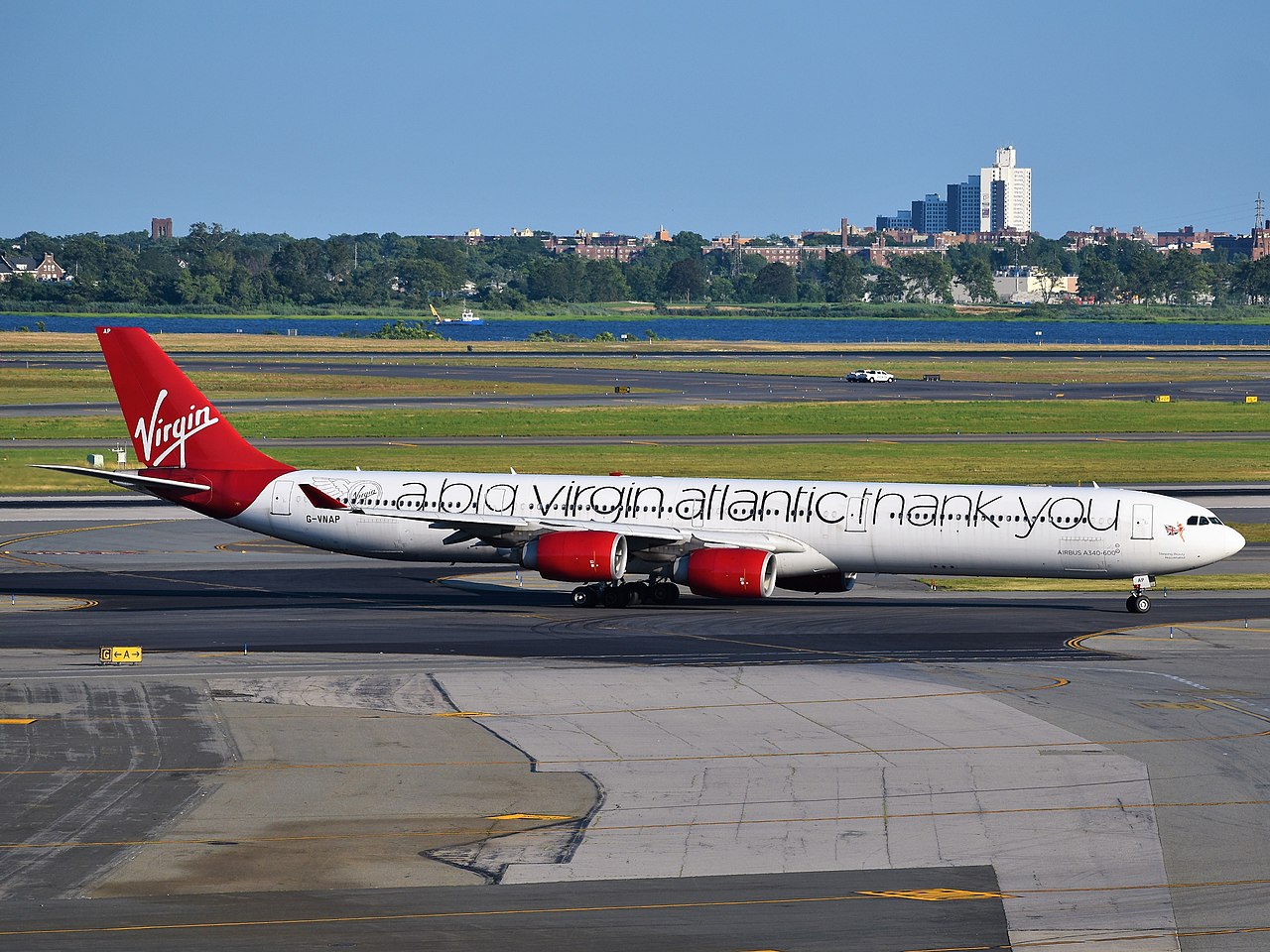
The Airbus A340 is a long‑range, four‑engined widebody passenger jet developed by Airbus. Conceived as a family alongside the twin‑engined A330, the A340 shares a common fuselage and cockpit design with that type but uses four engines to meet extended over‑water route requirements and provide additional redundancy. Its layout allowed airlines to operate ultra‑long‑haul services before twin‑engine reliability and extended‑range rules evolved.
Image gallery
10 Images



Design and variants
Airbus produced several main variants of the A340 to address differing market needs. These variants differ primarily in length, fuel capacity and range:
- A340‑200: the shortest long‑range version, intended for long routes with moderate capacity.
- A340‑300: the baseline model produced in larger numbers for trunk routes.
- A340‑500: a long‑range variant optimized for very long nonstop flights.
- A340‑600: the stretched, high‑capacity version and one of the longest passenger aircraft types.
The A340 is closely related to the twin‑engine A330; both share wings, landing gear and many systems, which simplified pilot training and fleet commonality for operators. See the related design concepts in the A330 family for comparison.
Engines, performance and operational characteristics
Earlier A340‑200/‑300 models were powered by high‑bypass turbofans of one family, while the longer‑range A340‑500/‑600 used larger, more powerful engines. The use of four engines gave the type advantages in range and regulatory routing when ETOPS rules limited twins, but it also increased fuel burn and maintenance compared with contemporary twin‑engine designs. General discussions of large jet engines and their tradeoffs are relevant to understanding this balance; see a summary on jet engines here and fuel efficiency topics here.
Because four engines typically consume more fuel than two, airlines began favoring more efficient twinjets as engine reliability and ETOPS approvals improved. That shift, combined with the economics of operating and maintaining four engines, reduced the market demand for four‑engine long‑haul jets relative to modern twinjets and other competing types in the market.
History, operators and legacy
The A340 served many international carriers on long sectors and pioneered nonstop city‑pair routes that were difficult for earlier aircraft. Production eventually ceased as airlines moved to more efficient designs; Airbus later introduced the A350 XWB as a successor family that offers similar long‑range capability with lower fuel consumption, and the A350 is often cited when comparing replacements here. Although no longer in production, A340s remain in service with several operators and have found roles in passenger, government and special‑mission configurations.
Notable facts: the A340‑600 is one of the longest passenger jets ever built; the family showcased Airbus's approach to commonality across models; and its operational history illustrates how advancements in engine reliability and regulatory frameworks can reshape aircraft design priorities. For technical specifications, route examples and operator lists, consult manufacturer and airline sources linked above.
Related articles
Author
AlegsaOnline.com Airbus A340 Leandro Alegsa
URL: https://en.alegsaonline.com/art/1672