
Airfoil (Aerofoil): Shape, Function and Applications
An airfoil (aerofoil) is the cross-sectional shape of a wing, blade or sail that produces lift and drag when moving through a fluid; design, history, and common uses explained.
Overview
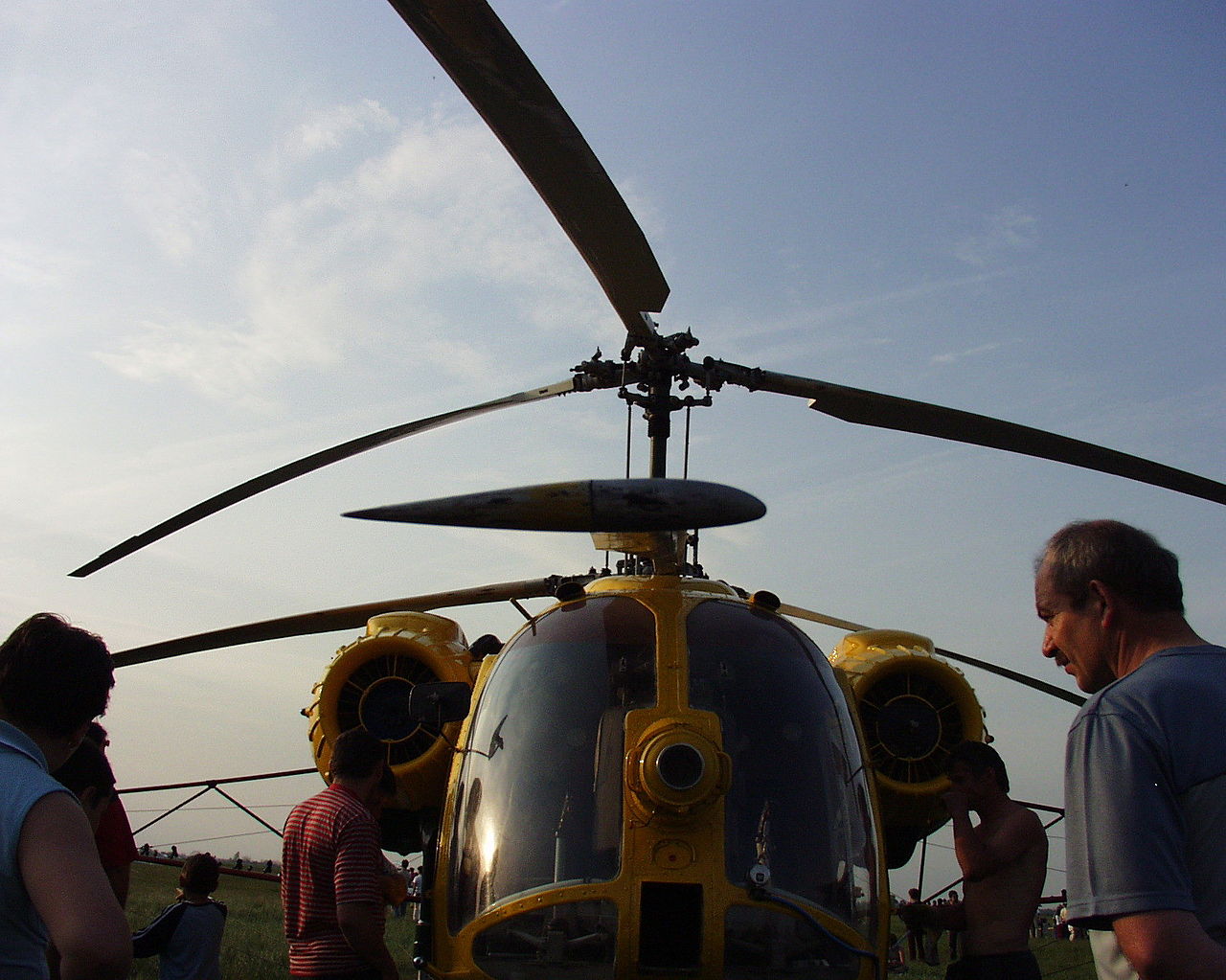
An airfoil is the two-dimensional cross-sectional shape that produces aerodynamic or hydrodynamic forces when it moves through a surrounding medium. In American usage the term is often rendered as airfoil, while in British English the alternative aerofoil is common. Typical examples of structures that use airfoil sections include a wing, a propeller blade, a ship's screw and even the cross-section of a sail.
Image gallery
4 Images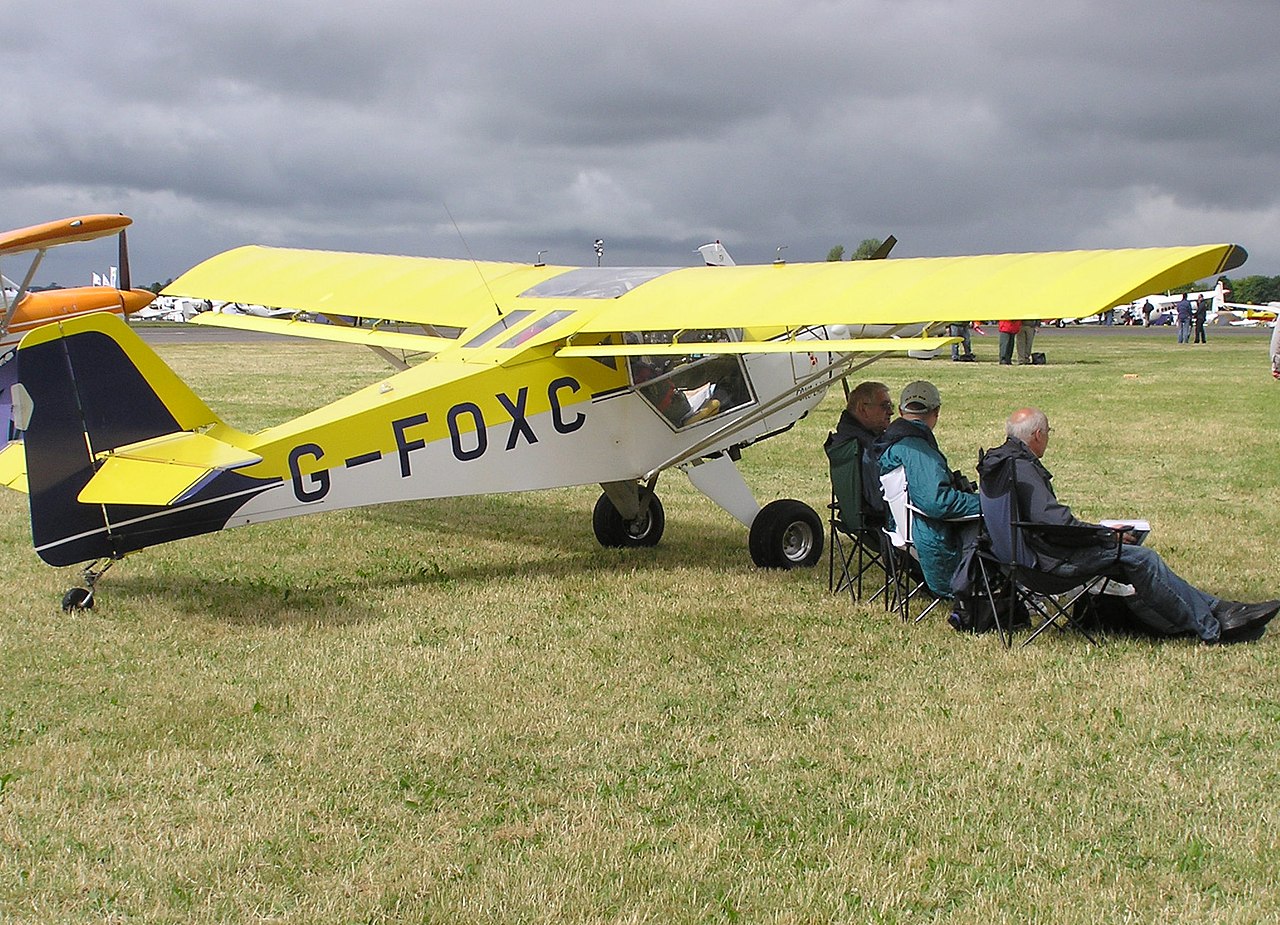

Design and main features
An airfoil's geometry is described by features such as the leading edge, trailing edge, chord line, camber (curvature), and thickness distribution. Designers choose shapes to balance lift, drag, moment (pitching tendency), stall characteristics and structural needs. Sections can be symmetrical or cambered; some are optimized for low-speed lift, others for high-speed or transonic flow.
Factors affecting performance
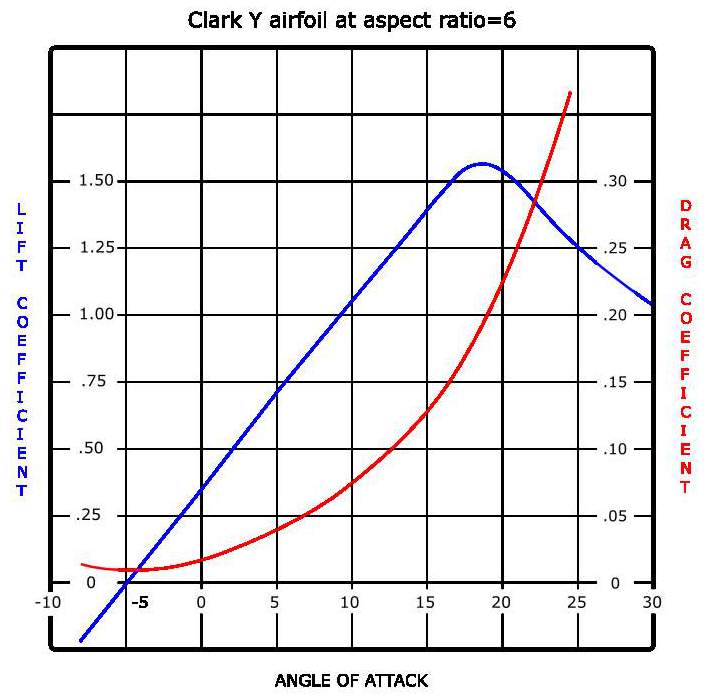
- Angle of attack: the orientation relative to the oncoming flow, which strongly changes lift and drag.
- Reynolds and Mach effects: flow regime influences boundary layers, transition, and compressibility behavior.
- Surface and thickness: roughness, camber and thickness distribution alter pressure fields and stall behavior.
- Flow conditions: whether the body moves through air, water or another fluid affects design priorities.
How lift and drag arise
An airfoil generates forces by redirecting the surrounding flow and producing pressure differences over its surfaces. Common explanations invoke differences in pressure along the surface, circulation around the section, and momentum change in the fluid. The resulting aerodynamic forces are commonly resolved into lift (perpendicular to the relative flow) and drag (parallel to it), though the exact direction and use of those forces depend on the application.
History and development
Understanding and using airfoil shapes evolved from trial-and-error sail and bird observations into formal aeronautical science. Early aviators and wind-tunnel researchers developed families of standardized sections; later progress in computational methods, materials and control refined designs for aircraft, turbines and marine foils.
Applications and notable distinctions
Airfoils are fundamental to aircraft wings, rotorcraft blades, propellers, wind turbines, hydrofoils and racing sails. Specialized variants include laminar-flow sections for low drag, supersonic profiles with thin leading edges, and thick sections for internal structure. Practical design always balances aerodynamic efficiency with structural, manufacturing and operational constraints.
For further reading and data on typical section shapes and performance charts consult technical references and dedicated design resources: American term sources, British term sources and application-specific literature for wings, blades and hydrofoils.
Tags
Related articles
Author
AlegsaOnline.com Airfoil (Aerofoil): Shape, Function and Applications Leandro Alegsa
URL: https://en.alegsaonline.com/art/1692