
Campaign for Nuclear Disarmament (CND): history, aims and activities
The Campaign for Nuclear Disarmament (CND) is a UK-based pacifist organisation advocating for the elimination of nuclear weapons, broader disarmament, legal restraints on WMDs, and opposition to nuclear power.
Overview
The Campaign for Nuclear Disarmament is a UK-based, non‑governmental pacifist organisation that promotes the abolition of nuclear weapons and campaigns for policies intended to reduce the risk of mass‑destruction conflict. It presses the British government to abandon nuclear armaments and supports parallel efforts by other states to disarm. For background on its stance toward disarmament more generally see nuclear disarmament.
Image gallery
4 Images


Principles and aims
CND frames its work around a combination of moral, legal and security arguments: the humanitarian consequences of nuclear use, international law and treaties, and the belief that reliance on deterrence increases rather than reduces danger. It explicitly opposes the use or threatened use of nuclear weapons, chemical weapons and biological weapons, and advocates for strengthened international arms‑control arrangements such as the Nuclear Non‑Proliferation Treaty.
History and symbol
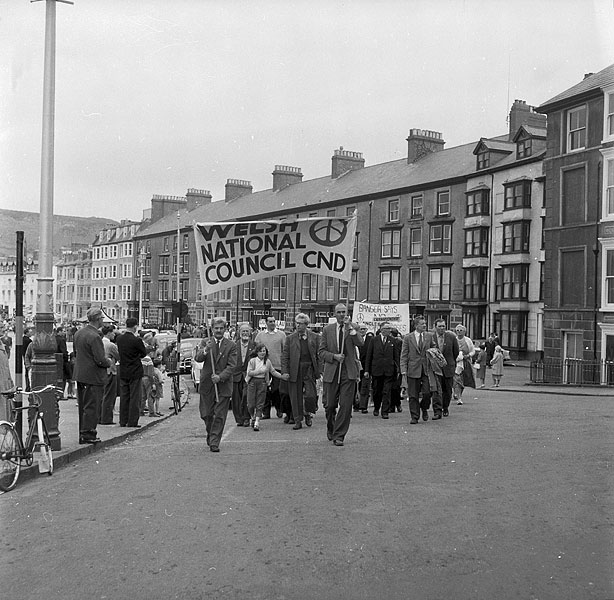
CND emerged in the late 1950s as public concern about nuclear testing and atomic warfare grew. It became well known for mass demonstrations, particularly the early marches to Aldermaston, and for commissioning a now‑famous peace symbol that has become a lasting emblem of the international peace movement. Its origins and identity are often described as part of a wider postwar peace and antinuclear movement represented by organisations like CND.
Activities and organisation
Typical CND activities include public demonstrations, educational events, parliamentary lobbying, research publications and the coordination of local groups. It also campaigns on related issues such as opposition to new nuclear power stations in the UK (nuclear power) and supports initiatives that promote multilateral disarmament and verification measures. Practical methods are often a mix of grassroots activism and engagement with policymakers.
Impact, examples and debates
CND has helped shape public debate in Britain about the costs, risks and morality of nuclear arsenals; its demonstrations and campaigns influenced public awareness and occasionally parliamentary discussion. Supporters credit it with maintaining pressure for arms‑control measures, while critics sometimes argue about unilateral versus multilateral approaches or the political effects of protest. CND continues to partner with international movements and campaigns that seek legal and diplomatic pathways to reduce and eliminate weapons of mass destruction.
Further reading
- Campaign aims, campaigns and current policy positions: UK disarmament policy.
- International treaties and verification: NPT and related agreements.
- Contemporary debates on energy and security: nuclear power and alternative approaches.
For succinct summaries and primary materials consult CND publications and recognised histories of the peace movement, or visit organisations that archive protest movements and arms‑control documentation.
Related articles
Author
AlegsaOnline.com Campaign for Nuclear Disarmament (CND): history, aims and activities Leandro Alegsa
URL: https://en.alegsaonline.com/art/16365
Sources
- news.bbc.co.uk : "BBC NEWS : Magazine : World's best-known protest symbol turns 50"