
Capital Development Authority (Islamabad)
The Capital Development Authority (CDA) is the federal agency created in 1960 to plan, develop and manage Islamabad; it now focuses on estate management, major projects and regulatory control after local reforms.
Overview
The Capital Development Authority (CDA) is the federal public authority originally created to design, develop and manage the urban infrastructure and land of the Islamabad Capital Territory. Established on 14 June 1960 under the Pakistan Capital Regulation, the agency combined the responsibilities of urban planning, municipal service delivery and estate management for the planned federal capital. Over time CDA built the city’s sectors, roads and primary public facilities and maintained a central role in shaping Islamabad’s built environment.
Image gallery
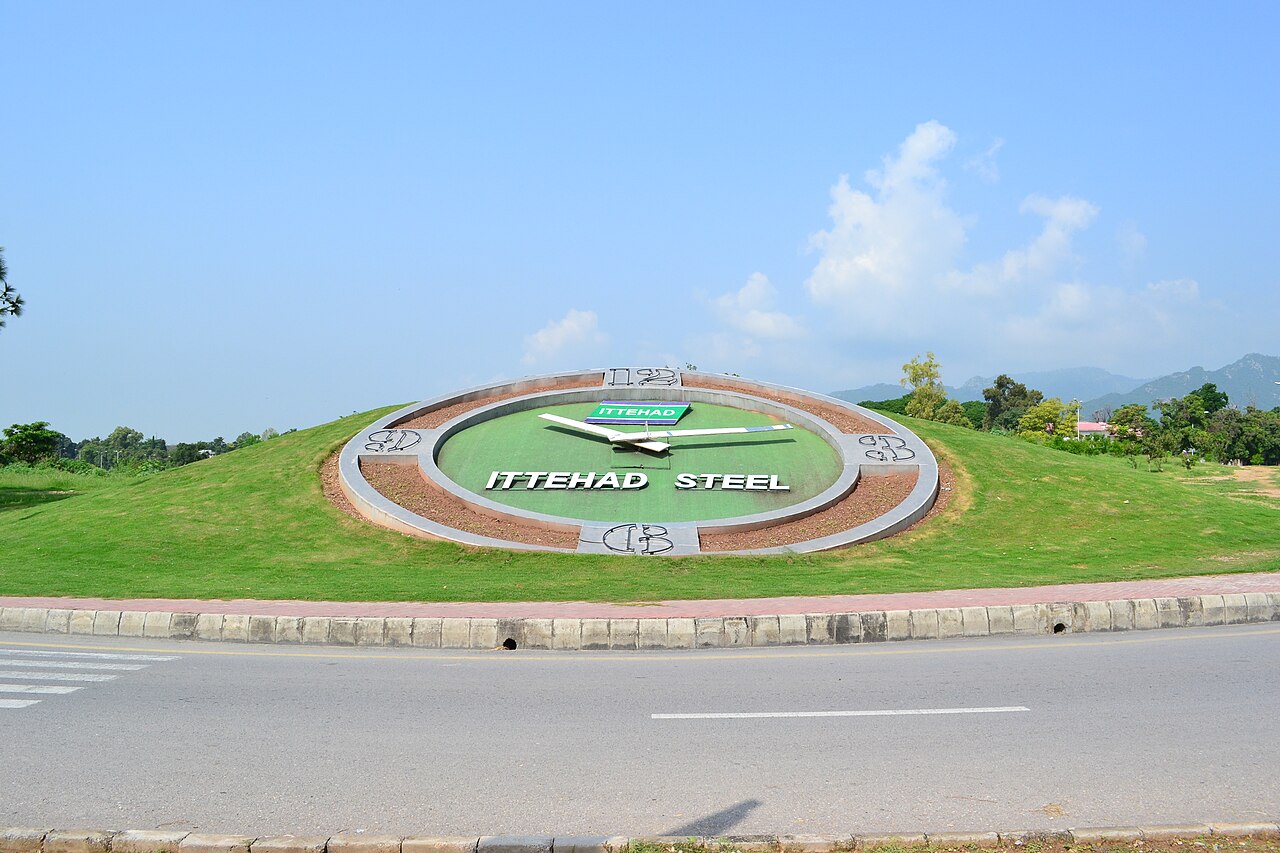
3 Images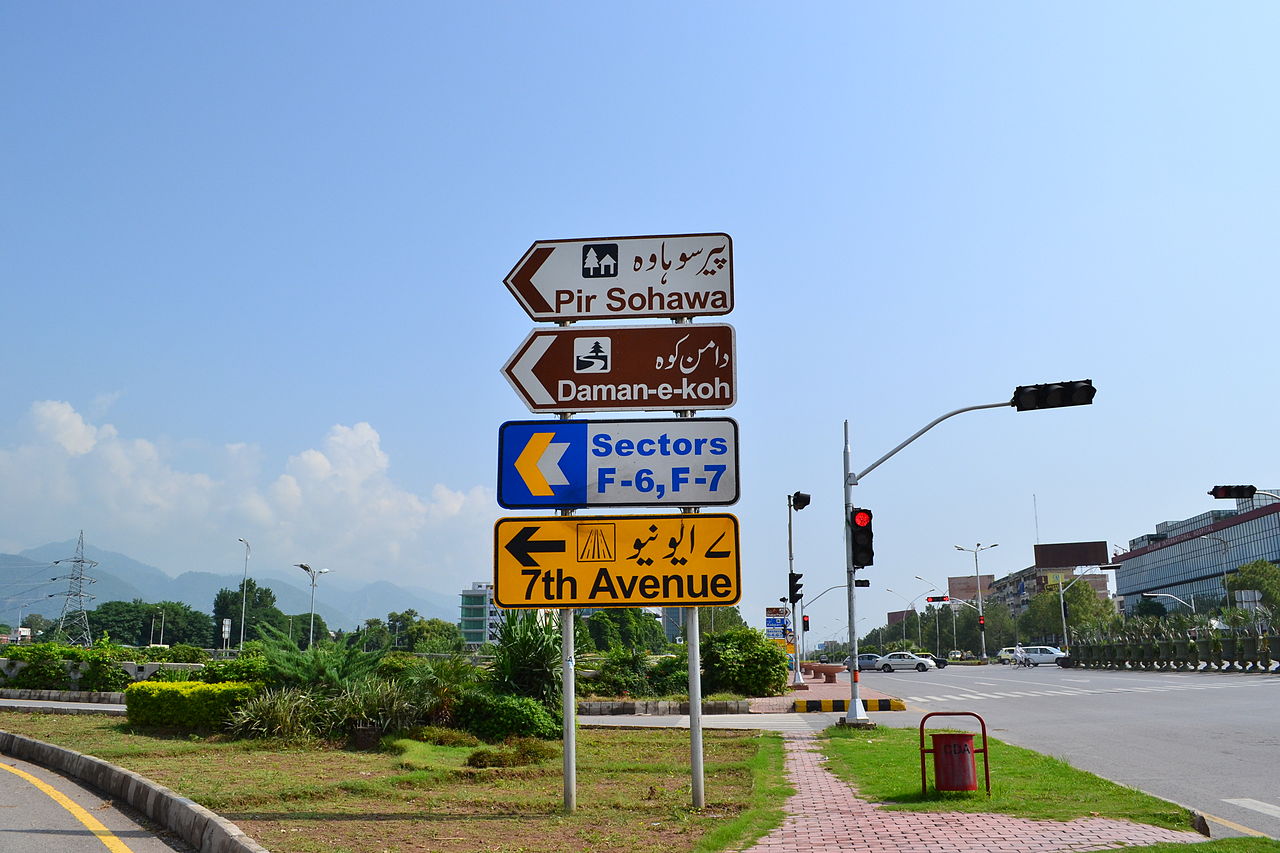

Functions and services
CDA’s remit traditionally covered a broad set of municipal and development functions, either delivered directly or coordinated with specialist bodies. Typical responsibilities have included:
- Sanitation and solid waste management
- Water supply network planning and distribution
- Roads, streets, traffic engineering and public space maintenance
- Parks, horticulture and cultural amenities such as the public library
- Provision and oversight of educational infrastructure, including schools
- Food safety, market regulation and building-control inspections
- Coordination with emergency and health services including police, ambulance providers and the health department
- Citywide transportation planning and facilitation of transit studies
Specialised utilities—such as electricity, gas and cable television—are typically supplied by dedicated companies or regulatory bodies, with CDA providing land use permissions, right-of-way coordination and urban permits where required.
Organisation and governance
CDA has been governed under federal oversight with a leadership structure and technical departments covering planning, engineering, estate management and municipal services. Historically the authority reported to a federal ministry and worked with advisory committees, technical staff and outsourced contractors. Its decision-making balances long‑term master plans with development approvals and contract management for public works.
Institutional change and recent role
In the mid‑2010s many routine municipal functions were transferred to a local municipal body, the Islamabad Metropolitan Corporation, as part of administrative reforms. Following that shift, CDA’s emphasis moved toward estate management, major infrastructure projects, development control, execution of large capital schemes and enforcement of the city master plan. CDA continues to sell and manage government land, approve building plans, and implement sectoral development consistent with Islamabad’s planning framework.
Finance, planning and public interface
CDA raises revenue through land and property transactions, development charges, fees for services and government allocations for capital projects. It prepares statutory plans and regulatory instruments used to guide urban growth, issue development permits and manage public land. Residents and businesses interact with CDA for approvals, utility coordination and complaints related to urban services.
Challenges and oversight
As with many large urban authorities, CDA has faced challenges related to rapid urbanisation, coordination with other agencies, and periodic public criticism over service delivery or land management decisions. Reforms and oversight by federal and municipal institutions aim to clarify responsibilities, improve transparency and align CDA’s work with contemporary urban governance practices. For official details and the latest arrangements consult government publications and authoritative sources on the territory’s administration (territory overview, transportation, education).
Note: This article provides a concise summary of CDA’s purpose, functions and evolution. For current statutes, project lists and organisational charts refer to official notices and formal publications issued by the authority and related government bodies.
Tags
Related articles
Author
AlegsaOnline.com Capital Development Authority (Islamabad) Leandro Alegsa
URL: https://en.alegsaonline.com/art/16754