
Chemical warfare: agents, history, and international controls
Chemical warfare uses toxic chemicals to harm or kill. This article explains types of agents, delivery and protection, historical use, legal bans, and modern distinctions and examples.
Chemical warfare is the use of chemical substances to incapacitate, injure, or kill humans, animals, or plants in military contexts. Such operations rely on toxic properties of specific compounds rather than explosive force. The term covers a wide range of agents and delivery methods; it is distinct from conventional explosives and biological weapons. For an overview of chemical agents and research, see chemical agent resources.
Image gallery
10 Images

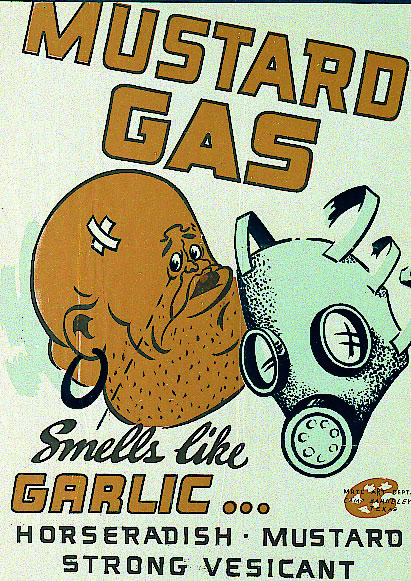


Characteristics and common types
Chemical agents differ by their physiological effects, volatility, and persistence in the environment. Major categories include:
- Blister agents (vesicants) that damage skin and lungs, e.g., sulfur mustard.
- Choking agents that cause respiratory distress, such as chlorine and phosgene.
- Nerve agents that disrupt the nervous system, for example sarin and VX.
- Blood agents that interfere with oxygen transport, like cyanide compounds.
- Incapacitating and riot-control agents, which are generally intended to disable rather than kill.
All of these rely on toxic mechanisms to harm victims; their danger depends on concentration, exposure route, and environmental conditions. For descriptions of effects and toxicity, consult medical and toxicology sources here and here.
Delivery, protection, and mitigation
Agents may be dispersed as gases, aerosols, or liquids from munitions, sprayers, or improvised devices. Military planning and civilian preparedness address detection, protective equipment (gas masks, protective clothing), decontamination, and medical countermeasures. Emergency guidance and protective standards are available from specialized organizations here.
Mitigation includes rapid evacuation, use of antidotes where applicable, and environmental decontamination. Understanding industrial toxic hazards is important because common chemicals can be weaponized or cause mass harm if deliberately released more info.
History, laws, and modern examples
Attempts to use toxic substances in war go back centuries, with deliberate poisonings recorded in ancient and medieval conflicts. Large-scale modern use began in World War I, when chlorine and mustard gas caused mass casualties. International concern led to treaties such as the Hague declarations and the 1925 Geneva Protocol restricting chemical warfare historic documents. Later, the Chemical Weapons Convention (CWC) negotiated in the 1990s created a global ban on development, production, stockpiling, and use, and established an inspection regime.
Despite legal prohibitions, chemical agents have been used in some conflicts and attacks in the 20th and 21st centuries, drawing international condemnation. For details on legal frameworks and compliance mechanisms see treaty and verification resources.
Distinguishing lawful uses—such as regulated industrial chemicals and certain law-enforcement agents—from prohibited weaponization is central to policy and response. Continued research, surveillance, and international cooperation aim to prevent misuse while preparing medical and civil authorities to limit harm if incidents occur.
Questions and answers
Q: What is chemical warfare?
A: Chemical warfare means using chemical compounds in war to injure or kill people.
Q: Are the chemicals used in chemical warfare safe?
A: No, the chemicals used for chemical warfare are poisonous.
Q: When did chemical warfare first start?
A: Chemical warfare has been used since the Stone Age.
Q: Are chemical weapons legal in wars?
A: No, since 1899, several international laws have said that using chemical weapons is illegal.
Q: Have chemical weapons been used in wars since these laws were passed?
A: Yes, chemical weapons have still been used in wars since then.
Q: Why is it important to ban chemical weapons in wars?
A: It is important to ban chemical weapons in wars because they are highly dangerous and can cause harm to innocent civilians.
Q: Can chemical warfare have any long-lasting effects?
A: Yes, chemical warfare can have long-lasting effects such as causing respiratory problems, birth defects and even death.
Related articles
Author
AlegsaOnline.com Chemical warfare: agents, history, and international controls Leandro Alegsa
URL: https://en.alegsaonline.com/art/19190
Sources
- simple.wikisource.org : Article 23
- avalon.law.yale.edu : Laws of War: Laws and Customs of War on Land (Hague II); Article 23
- state.gov : "Convention on the prohibition of the development, production, stockpiling and use of chemical weapons and on their destruction (CWC): Annexes and original signatories"
- thebulletin.org : "Disarmament lessons from the Chemical Weapons Convention"
- news.bbc.co.uk : Ancient Persians 'gassed Romans'
- net.lib.byu.edu : "The Use of Poison Gas"
- cns.miis.edu : cns.miis.edu