
Nuclear Disarmament: aims, history, movements, and challenges
Nuclear disarmament seeks to reduce and ultimately eliminate nuclear weapons. This article explains goals, technical and political issues, major treaties and movements, and contemporary pathways toward abolition.
Nuclear disarmament refers to efforts to decrease the number, role, and destructive potential of nuclear weapons, with the ultimate goal of a nuclear-weapon-free world. The term covers both specific actions—such as dismantling warheads, destroying delivery systems and withdrawing weapons from operational alert—and broader political objectives like ending reliance on nuclear deterrence and removing nuclear arsenals from national security doctrines. Disarmament is distinct from arms control, which seeks limits and stability, although the two overlap and reinforce each other.
Image gallery
10 Images


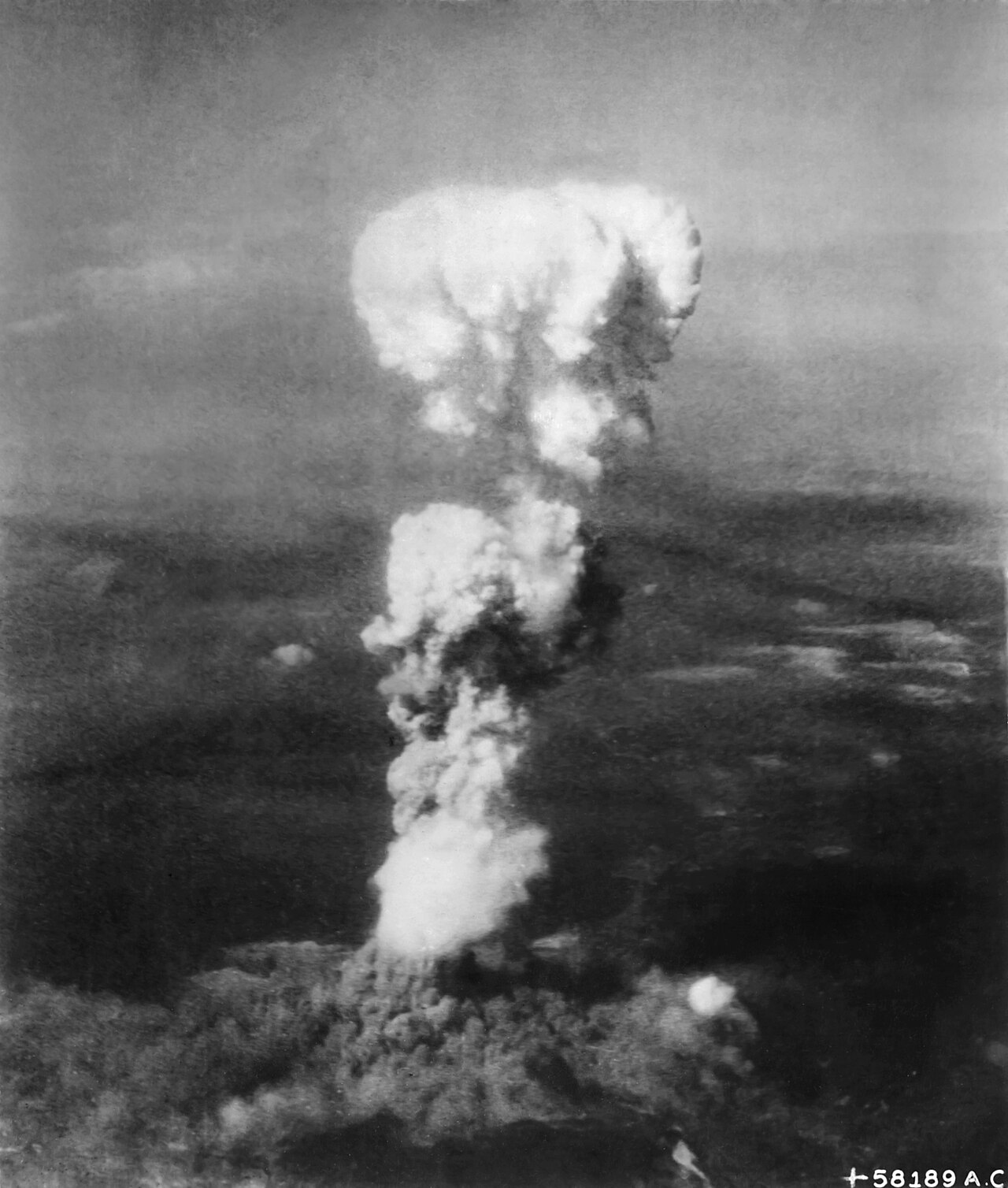


Key elements and technical issues
Practical disarmament involves several technical and verification elements. Dismantlement converts a weapon into non-deployable parts; verification establishes confidence that declared reductions are real; secure accounting tracks fissile materials; and monitoring prevents clandestine rearmament. Verification combines on-site inspections, satellite imagery, material accounting, and increasingly sophisticated environmental sampling. Because nuclear weapons are entwined with sensitive military and industrial capabilities, disarmament must reconcile transparency with states' legitimate security and proprietary concerns.
Historical development and major instruments
Since the mid-20th century, disarmament objectives have been pursued through treaties and diplomatic efforts that reduced numbers and constrained proliferation. Key instruments include multilateral agreements and bilateral pacts that limited specific classes of weapons, set ceilings on warheads and delivery systems, and sought bans on testing and production of fissile materials for weapons. Progress has been uneven: periods of substantial reduction have alternated with setbacks stemming from geopolitical rivalry and shifting strategic doctrines. Nonetheless, treaties and verification regimes created frameworks that made large-scale reductions and greater transparency possible.
Movements, organizations, and public campaigns
Non-governmental organizations, professional associations and citizen movements have played prominent roles in pushing for disarmament, educating the public, and advocating policy change. Well-known groups include:
- Campaign for Nuclear Disarmament
- Greenpeace
- International Campaign to Abolish Nuclear Weapons (ICAN), winner of the Nobel Peace Prize in 2017
- Global Zero, Mayors for Peace, Peace Action and medical and peace organizations focused on humanitarian impacts
Large demonstrations have historically amplified public pressure; for example, mass protests and marches have drawn global attention to the humanitarian cost and political risks of nuclear arsenals. Prominent public figures and retired statesmen have also advocated for stepwise reduction strategies and long-term abolition, arguing that a combination of political will and technical measures can make disarmament feasible.
Political challenges and criticisms
Disarmament efforts face major political obstacles. Nuclear-armed states often see weapons as central to deterrence and international status, making them reluctant to disarm unless they perceive reliable security guarantees. Verification and enforcement are technically demanding and politically sensitive. There is also the security dilemma: unilateral reductions can be perceived as weakening one side, prompting countermeasures. Critics argue that total abolition may be unrealistic while deep geopolitical tensions persist, and some contend that nuclear deterrence has helped prevent major interstate wars.
Contemporary relevance and pathways forward
Current policy debates combine near-term, verifiable steps with long-term normative goals. Practical proposals include extending and strengthening testing bans, negotiating fissile material cutoffs, adopting no-first-use declarations, de-alerting nuclear forces, and enhancing transparency measures. Diplomatic initiatives and expert commissions advocate phased approaches that reduce arsenals while building verification systems and regional security arrangements. Engaged civil society organizations continue to press for legal and moral frameworks that stigmatize and delegitimize nuclear arms.
Individuals and policymakers remain divided about the pace and endpoint of disarmament. Nevertheless, the combination of treaty frameworks, technical innovation in verification, and sustained public advocacy keeps disarmament an active element of international security discourse. Notable voices who have publicly urged renewed commitment to reduction and abolition include Sam Nunn, William Perry and Henry Kissinger, reflecting a cross-partisan concern about the risks posed by nuclear weapons. Historical protests and contemporary advocacy demonstrate that public engagement continues to shape the conversation about how to reduce nuclear dangers and move toward a safer world.
Further reading on treaties, verification technology and the role of non-governmental actors can clarify specific pathways for policy makers and the public. For those interested in activism or study, accounts of past mass demonstrations and sustained campaign work offer lessons about influence, coalition building and how technical solutions must pair with political commitment to achieve durable disarmament outcomes. See accounts of major protests and campaigns for additional context.
Related articles
Author
AlegsaOnline.com Nuclear Disarmament: aims, history, movements, and challenges Leandro Alegsa
URL: https://en.alegsaonline.com/art/71348
Sources
- news.bbc.co.uk : "BBC NEWS : Magazine : World's best-known protest symbol turns 50"
- thenation.com : The Spirit of June 12
- icanw.org : 1982 - a million people march in New York City