
Pistol: definition, parts, history, operation and uses
A pistol is a handheld firearm, commonly a magazine-fed semiautomatic or, more broadly, any handgun. Covers parts, operation, history, uses, and distinctions from revolvers and other handguns.
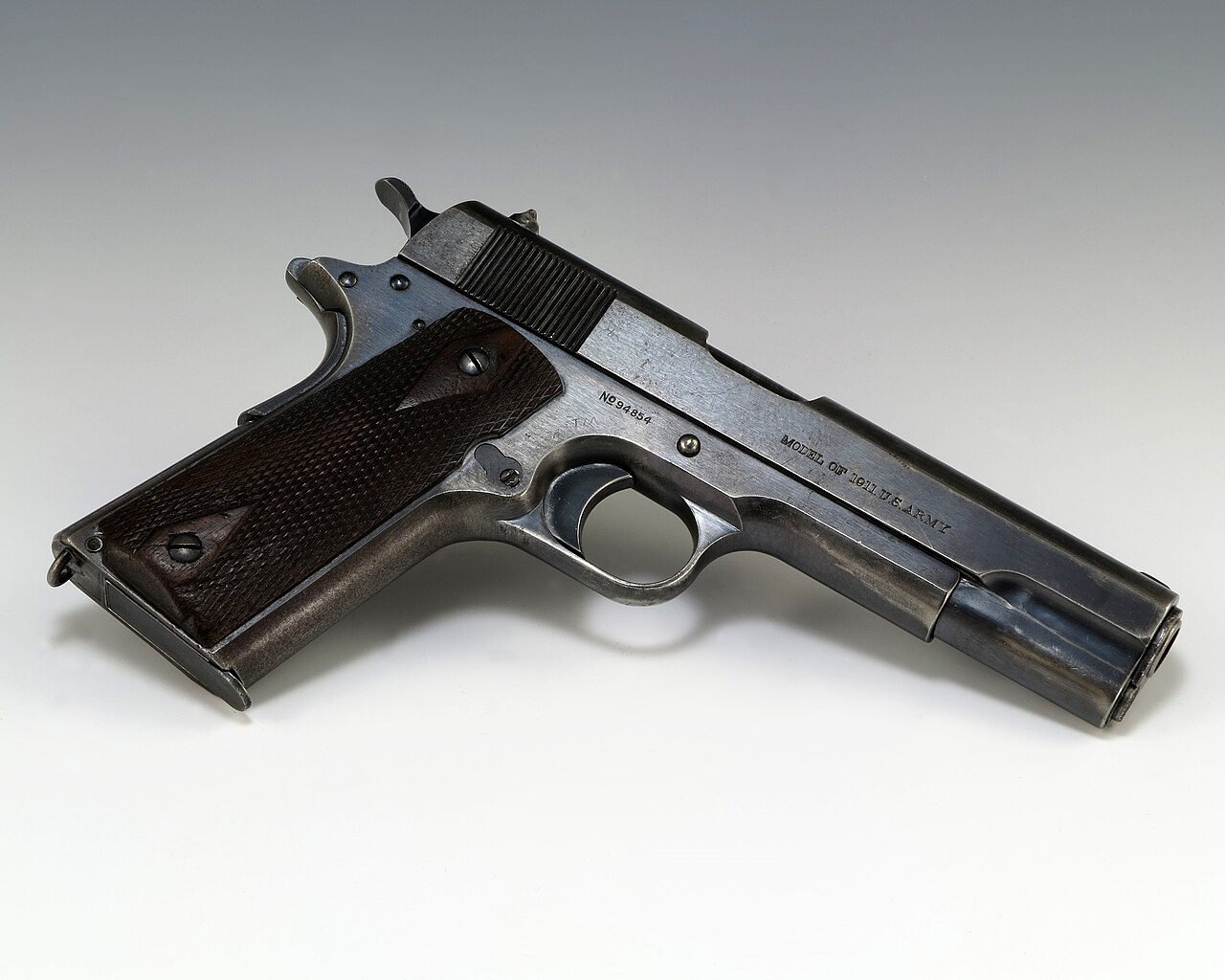
A pistol is a type of handgun designed to be operated with one hand or two hands and carried as a personal sidearm. In everyday usage the term may refer broadly to any short-barrel firearm intended to be held and fired without a shoulder stock, or more narrowly to magazine-fed, semiautomatic handguns distinct from revolvers. Modern pistols are compact, portable firearms used for self-defense, law enforcement, sport shooting and military sidearms.
Image gallery
9 Images



Basic characteristics and main parts
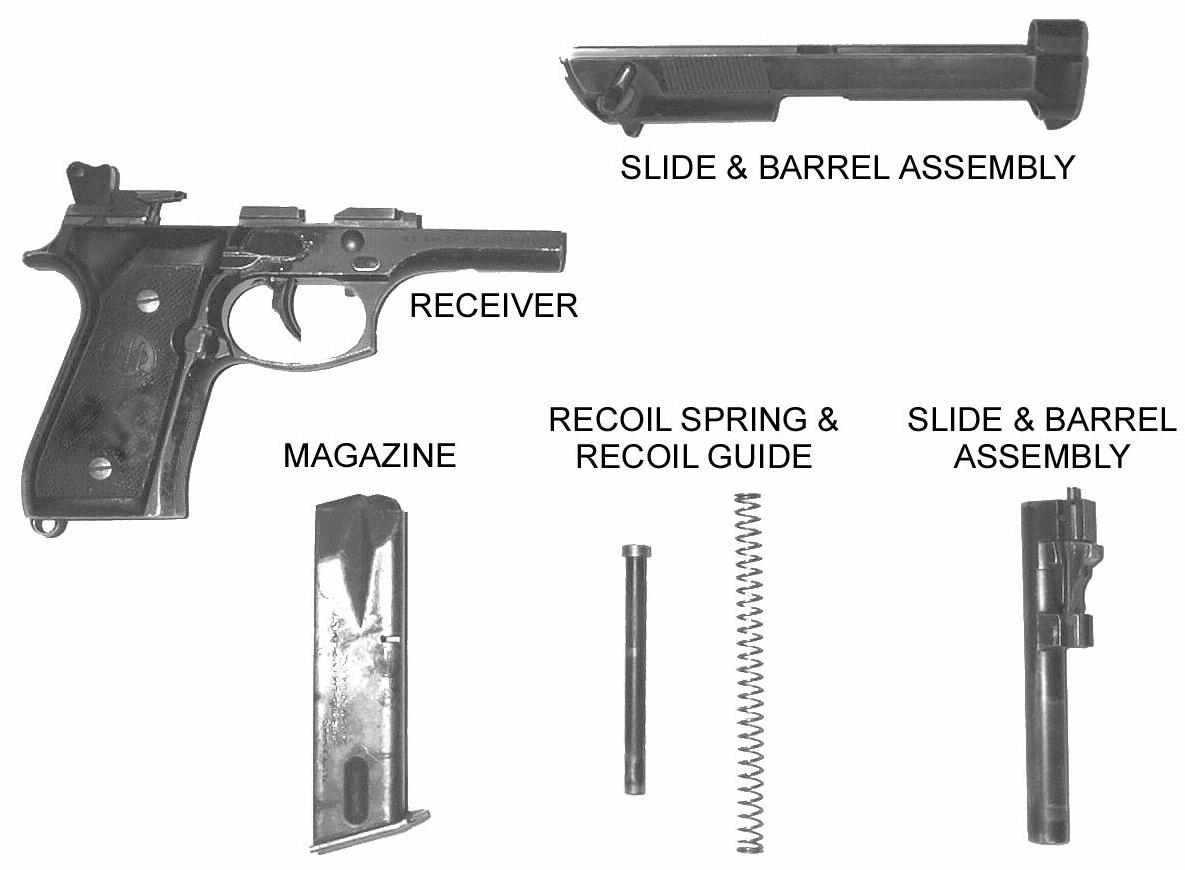
Most pistols share a common set of components and a similar firing cycle. Key parts include:
- Barrel — the tube that directs the bullet.
- Slide or bolt — a moving part on many semiautomatic pistols that chambers rounds and ejects spent cases.
- Frame or receiver — the body that holds controls and supports the action.
- Magazine — a container that stores and feeds cartridges into the action; it may be removable or fixed.
- Trigger and sear/striker or hammer — the mechanism that initiates firing.
- Sights — aiming references mounted on the top of the pistol.
Operation in a typical semiautomatic pistol involves feeding a cartridge from the magazine, firing the cartridge and using the energy of the fired round to extract and eject the spent case while loading the next round for a subsequent trigger pull. The ammunition used in pistols is often referred to as cartridges, consisting of a case, primer, propellant and projectile.
Types and action styles
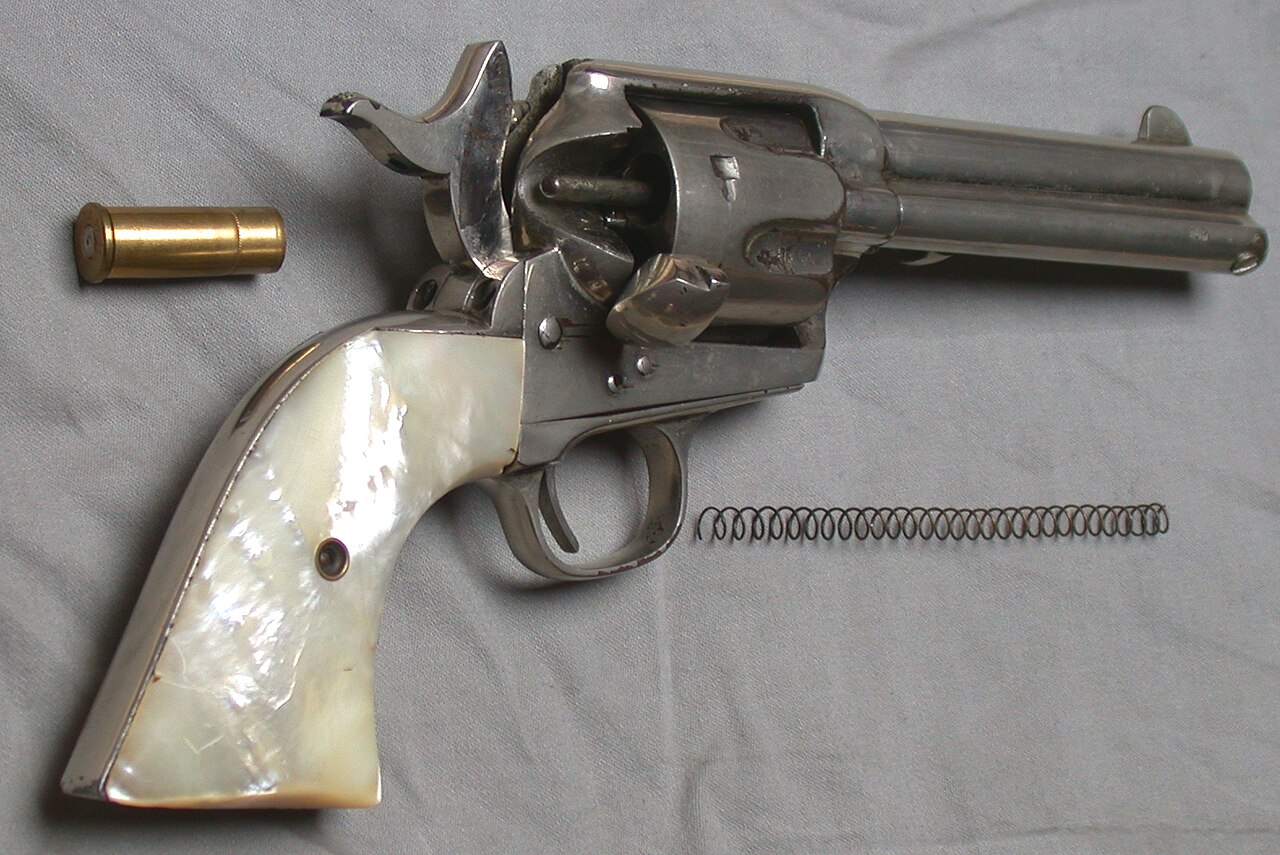
Pistols can be classified by action and design. Semiautomatic pistols use a magazine and cycle automatically between shots while requiring one trigger pull per shot. Revolvers, although commonly called "pistols" in casual speech, use a rotating cylinder and are mechanically distinct; see revolver for comparison. Other distinctions include single-action versus double-action trigger systems, striker-fired versus hammer-fired mechanisms, and fixed versus detachable magazines.
History and development
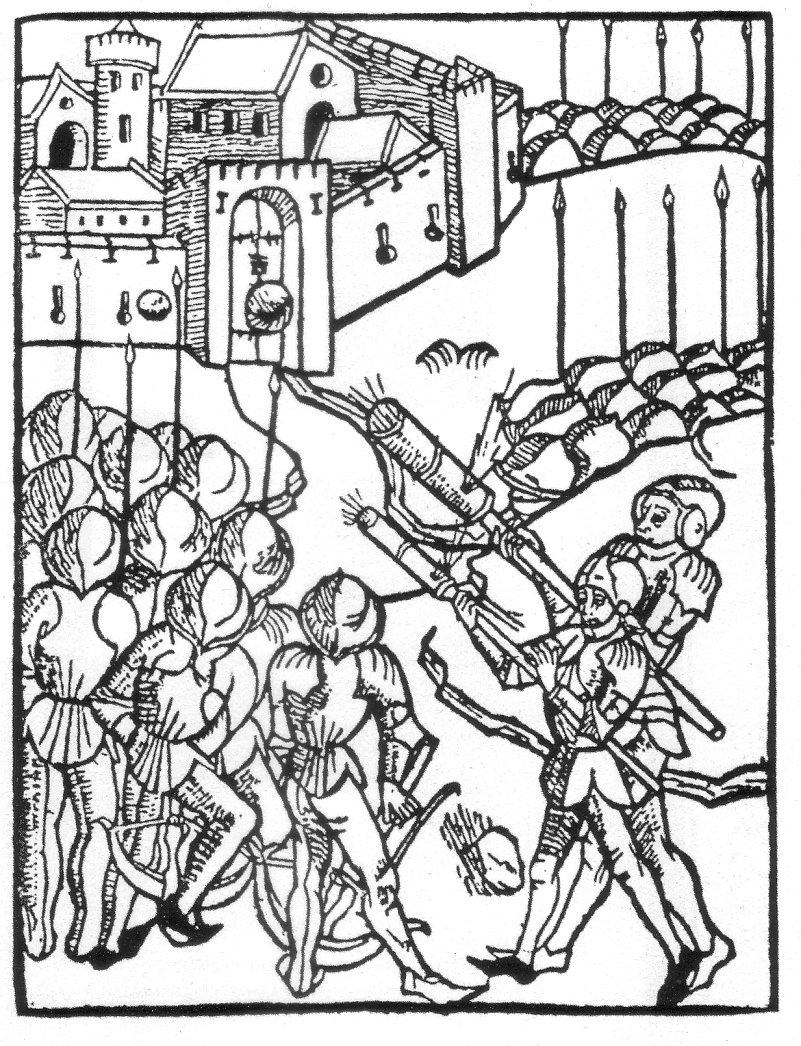
The word pistol entered English from French before the 17th century and originally described small, single-shot handguns. Over centuries, designs evolved from early single-shot pocket pistols and muzzleloaders to cartridge-based firearms and, later, reliable semiautomatic designs that became widespread in the 20th century. In popular history—such as accounts of the American frontier—revolvers and other handguns were often referred to simply as "pistols," reflecting common usage in different regions and eras; see accounts of the Old West for cultural context and terminology variations (Old West).
Uses, safety and notable distinctions
Pistols are used for personal defense, policing, competitive shooting and as military sidearms. Their compact size favors concealment and quick access. Safety considerations are central: proper training, safe storage, mechanical safeties and adherence to local laws are essential. Notable distinctions include the difference between magazine-fed semiautomatics and cylinder-type revolvers, the variety of calibers and ergonomics tailored to purpose, and legal classifications that vary between jurisdictions.
Pistols remain one of the most widely recognized classes of firearms. Understanding their basic parts, how they operate, their historical evolution and how terminology is used in common speech helps clarify discussions about technology, policy and cultural references.
Questions and answers
Q: What is a pistol?
A: A pistol is a type of handgun, which may refer to any handgun or specifically to a magazine pistol as distinct from a revolver.
Q: What is the difference between a magazine pistol and a revolver?
A: A magazine pistol is a type of handgun where the cartridges are in a magazine, typically located inside the handle of the pistol. The magazine is spring-loaded so that the next bullet is pushed into position as the empty cartridge is ejected when the pistol is fired. In contrast, a revolver typically has several chambers within a cylinder that rotate to reveal the next cartridge for firing.
Q: Why are pistols sometimes called "semi-automatic"?
A: Pistols are sometimes called "semi-automatic" because the magazine is spring-loaded, and as the empty cartridge is ejected, the magazine pushes the next bullet into place. This means that a semi-automatic pistol can fire repeatedly without the need for manual re-cocking after each shot.
Q: How is a magazine pistol reloaded?
A: When the magazine runs out of cartridges in a magazine pistol, it can be reloaded by inserting more cartridges into the magazine.
Q: When was the term "pistol" first used?
A: The term "pistol" entered the English language before 1600, from the French. At that time, it usually referred to a single-shot handgun.
Q: What is the origin of the word "pistol"?
A: The word "pistol" entered the English language from the French, and its ultimate origin is uncertain. One possibility is that it comes from the Czech word "pistala," meaning "pipe" or "tube."
Q: Was the term "pistol" used to refer to revolvers in the American Old West?
A: Yes, although revolvers were used in the American Old West, they were often referred to as "pistols" at the time and can still be called that by some people today.
Related articles
Author
AlegsaOnline.com Pistol: definition, parts, history, operation and uses Leandro Alegsa
URL: https://en.alegsaonline.com/art/77107
Sources
- gunsandammo.com : "9 Most Misused Gun Terms"
- washingtonpost.com : "Keeping guns out of children's hands"
- differencebetween.com : "Difference Between Revolver and Pistol"
- dailycaller.com : "5 Advantages of the Revolver"
- personaldefenseworld.com : "Revolver vs. Auto"