
Calabria: geography, history, culture, and economy of Italy's southern region
Calabria is the southern Italian region forming the 'toe' of the peninsula. This article summarizes its geography, history, economy, principal cities, and cultural features.
Overview
Calabria is a region in the far south of the Italian peninsula, forming the narrow ‘‘toe’’ that faces Sicily. It occupies roughly 15,200 km² and has a population of over two million people in recent counts. The regional capital is Catanzaro, while other important urban centers include Reggio Calabria, Cosenza and Vibo Valentia. Calabria is bounded to the north by Basilicata, to the east by the Gulf of Taranto, to the south and southeast by the Ionian Sea, to the southwest by the Strait of Messina (opposite Sicily) and to the west by the Tyrrhenian Sea.
Image gallery
10 Images



Geography and environment
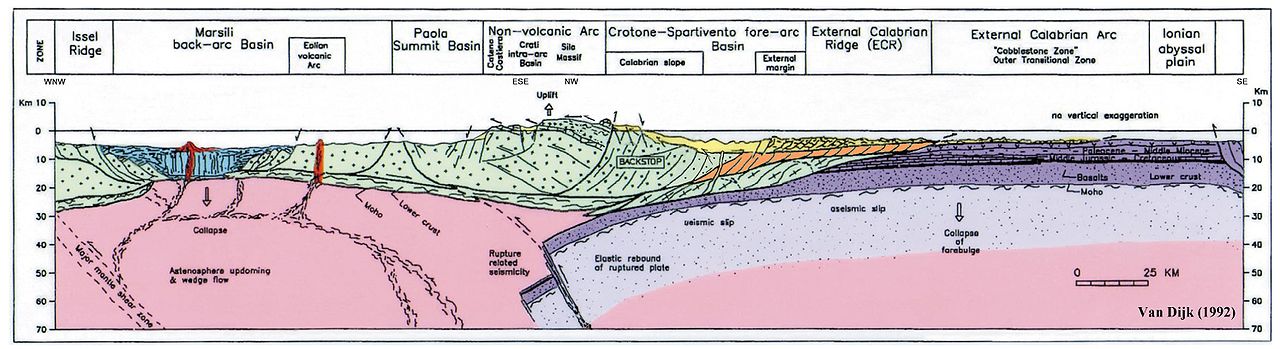
The region is largely mountainous and hilly; the Apennine chain continues here and produces a rugged interior with narrow coastal plains. Its coasts are varied: rocky cliffs, sandy beaches and small bays. Mediterranean vegetation, olive groves, citrus orchards and woodland are widespread where soils and slopes allow. Calabria's position between two seas shapes its climate, which ranges from typically Mediterranean along the coast to cooler and wetter at higher elevations.
History and identity
Calabria has a long history shaped by ancient Greek colonization, Roman rule and later influences from Byzantine, Norman, Spanish and other Mediterranean powers. Classical Magna Graecia left a deep imprint: archaeological sites and Greek-derived place names and cultural traits survive. Over centuries the region developed a distinct local identity rooted in rural traditions, family networks and dialects.
Economy and society
Traditionally based on agriculture, Calabria produces olive oil, citrus fruits, bergamot, wine and local cheeses; small-scale farming remains important. Industry and services are concentrated in urban areas and ports. The region has one of Italy's lower GDPs by region and has long faced challenges such as emigration, infrastructure gaps and uneven economic development, though tourism and niche agricultural exports are growth areas. For context on regional economic rankings see regional economic data.
Culture, language and cuisine
Calabrian culture blends Greek, Roman and later Mediterranean influences. Local dialects and the Arbëreshë (Italo-Albanian) communities preserve linguistic diversity. Traditional music, folk dances and religious festivals remain central to communal life. Cuisine emphasizes simple, robust ingredients: olive oil, chilies, wild greens, preserved seafood and cured meats. Bergamot, largely cultivated in a limited coastal area, is a notable regional product used in perfumes and specialty foods.
Principal cities and tourism
Major towns serve as administrative, cultural and transport hubs. Notable examples include:
- Catanzaro — regional capital with administrative institutions and historic neighborhoods.
- Reggio Calabria — the largest city near the Strait of Messina, known for its seafront and archaeological museum.
- Cosenza — inland cultural center and university town.
- Vibo Valentia — smaller provincial city with medieval sites.
Visitors are drawn to beaches, national parks, archaeological ruins and authentic rural life. Improving transport links and sustainable tourism initiatives aim to balance visitor growth with conservation. For further regional information see general regional resources Apulia comparison and demographic notes population data. For broader regional context and travel planning consult additional resources at regional portal and other official guides such as peninsular overviews and maritime route information at Ionian Sea and Tyrrhenian Sea resources.
Related articles
Author
AlegsaOnline.com Calabria: geography, history, culture, and economy of Italy's southern region Leandro Alegsa
URL: https://en.alegsaonline.com/art/16010