
Călărași County, Romania
Călărași County (CL) is a lowland county in southeastern Romania on the lower Danube, in the historic region of Wallachia. Its seat is Călărași; the economy is dominated by agriculture and river-related activities.
Călărași County is an administrative unit (județ) in southeastern Romania, located in the historic province of Wallachia (Muntenia). The county seat and largest city is Călărași. The region is known for its broad agricultural plains, its position along the lower Danube and for serving as a rural, agrarian part of Romania with several small urban centers.

Image gallery
4 Images


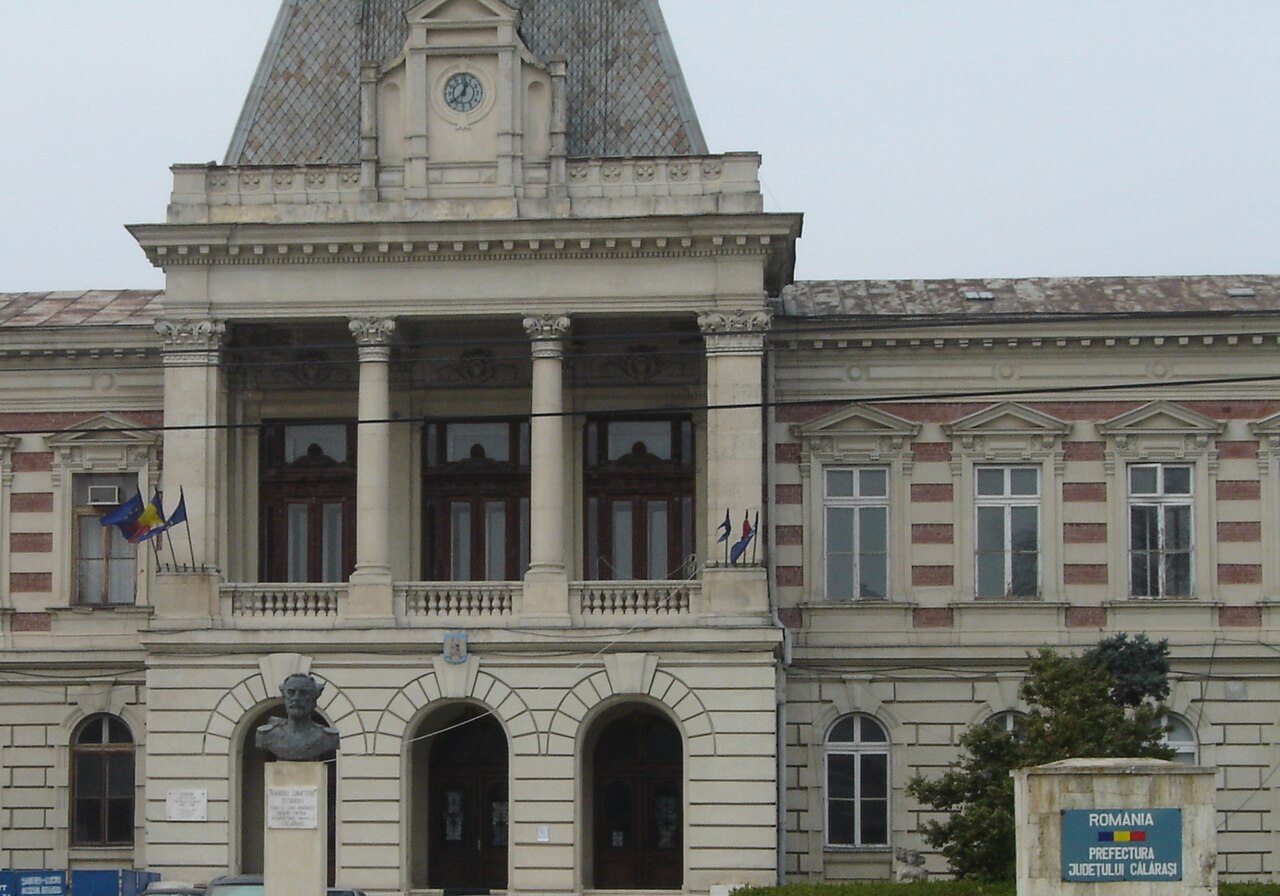
Geography
Călărași lies mainly on the Bărăgan Plain, a low and flat expanse characterized by fertile soils and steppe-like landscapes. The Danube River forms much of the county's southern boundary and has shaped local settlement and transport patterns for centuries. Smaller Danubian arms and channels—locally important for irrigation and fishing—cross parts of the county.

Borders and neighbouring areas
- North: Ialomița County
- East: Constanța County
- West: Giurgiu and Ilfov Counties
- South: international border with Bulgaria along the Danube
History and development
The territory of modern Călărași County has long belonged to Wallachia. Its riverside location made it a frontier area in earlier periods, with a history influenced by trade on the Danube and by military and diplomatic events along the southern border. Over the 19th and 20th centuries the county developed as an agricultural hinterland supplying grain, oilseeds and other crops to urban markets.
Economy and transport
Agriculture is the dominant economic activity: cereal cultivation, sunflowers and vegetable growing are widespread, and animal husbandry is common in rural areas. The Danube supports fisheries, small ports and local river transport. Road and rail links connect the county with Bucharest and the Black Sea corridor, while border crossings and river terminals facilitate cross-border commerce with Bulgaria.
Administration, population and culture
Administratively the county comprises the municipal seat of Călărași together with other towns and numerous rural communes. The population is largely rural, with local communities maintaining regional traditions of Muntenian folklore, crafts and seasonal fairs. Local cultural life often centers on agricultural festivals and river-related recreation.
Notable features
- Strategic Danube location with river ports and fisheries.
- Part of the fertile Bărăgan Plain, important for Romania's cereal production.
- Border position next to Bulgaria, influencing commerce and cross-border ties.
Călărași County remains a region where landscape, riverine environment and agriculture define life and the local economy, offering quiet countryside, riverside landscapes and a glimpse of traditional Muntenian rural culture.

Demographics
In 2002, the county had 324,629 inhabitants and a population density of 64 inhabitants per km².In 2011, Călărași County had 306,691 inhabitants thus a population density of about 60 inhabitants per km².
Geography
The county has a total area of 5088 km², which represents 2.1% of the area of Romania. Located in the Wallachian Plain, the county lies on the left side of the Danube.
Questions and answers
Q: What is Călărași County?
A: Călărași County is a county in Romania on the border with Bulgaria, located in Muntenia.
Q: What is the pronunciation of Călărași?
A: Călărași is pronounced as [kələˈraʃʲ].
Q: Where is the capital of Călărași County located?
A: The capital of Călărași County is located in Călărași.
Q: What is the significance of Călărași being on the border with Bulgaria?
A: Călărași being on the border with Bulgaria signifies its location as a strategic point for cross-border trade and cultural exchange.
Q: What region is Călărași County located in Romania?
A: Călărași County is located in Muntenia which is a region of Romania.
Q: Is Călărași County a popular tourist destination?
A: It is not known if Călărași County is a popular tourist destination.
Q: What is the population of Călărași County?
A: The current population of Călărași County is not specified in the text.
Related articles
Author
AlegsaOnline.com Călărași County, Romania Leandro Alegsa
URL: https://en.alegsaonline.com/art/16024
Sources
- recensamantromania.ro : "Rezultate - Recensamant 2011"