
Calfreisen: former Swiss municipality in the canton of Graubünden
Calfreisen was a small former municipality in Plessur district, Graubünden, Switzerland. Since 2013 it forms part of the expanded municipality of Arosa; it retains village character and alpine cultural heritage.
Calfreisen is a small village and former municipality in the canton of Graubünden (Grisons), located in the mountainous Plessur district (Plessur) of eastern Switzerland. Historically an alpine settlement, Calfreisen functioned as an autonomous local municipality until a municipal consolidation at the beginning of 2013. The locality is sometimes described in sources simply as the former municipality of Calfreisen.
Image gallery
4 Images
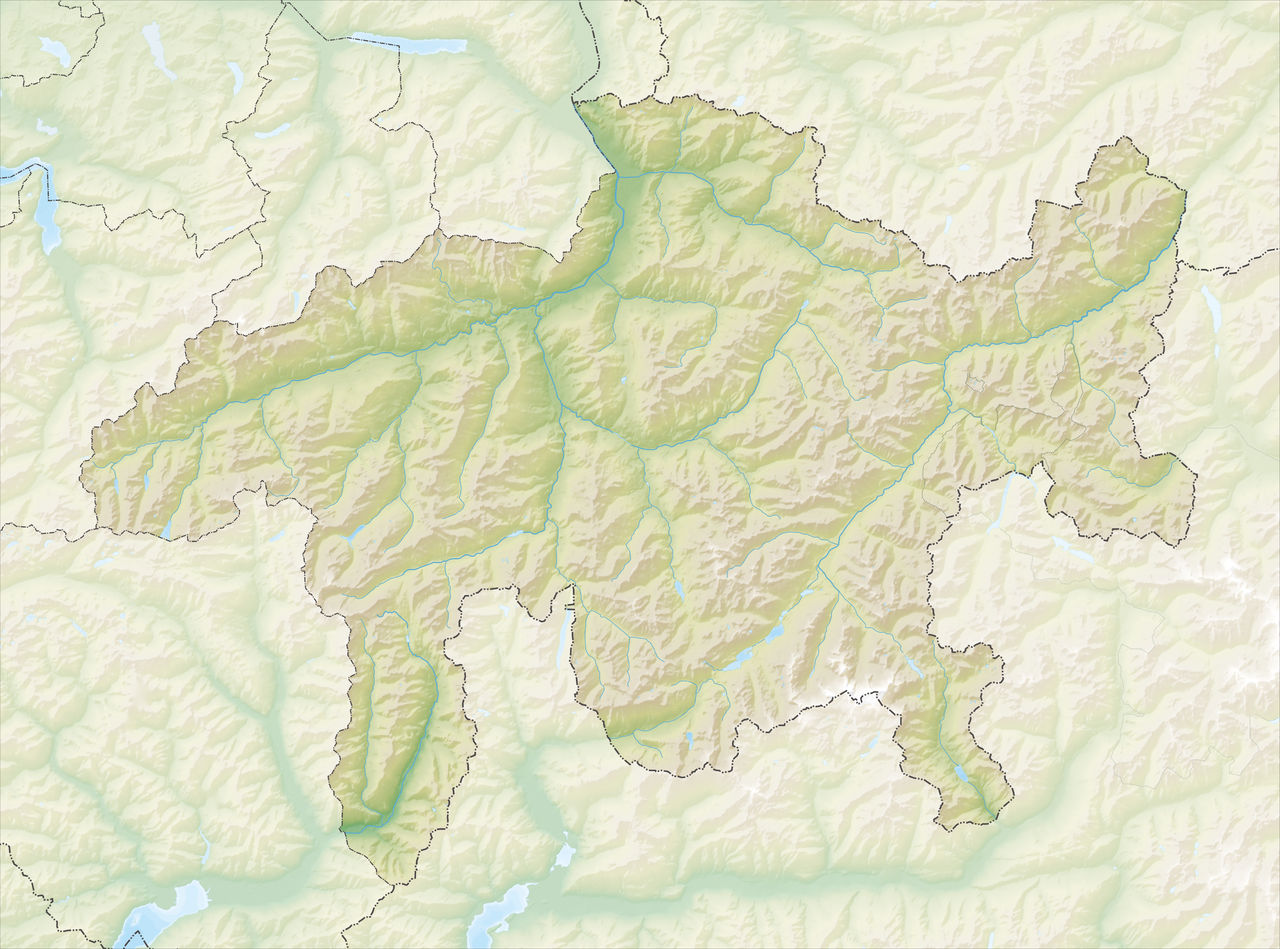


Geography and settlement
The village sits in a high-valley landscape characteristic of Graubünden: steep pastures, conifer forests and rocky ridgelines surround dispersed farmsteads. Buildings in the village reflect traditional alpine architecture, often compact and adapted to long winters. Access to Calfreisen is by regional roads and paths that connect it to neighbouring villages and the tourist centre of Arosa.
History and administrative changes
Like many small communities in the Swiss Alps, Calfreisen has medieval roots as a farming and pastoral settlement. Over centuries it belonged to regional parish networks and cantonal administrative structures. On 1 January 2013 Calfreisen ceased to be an independent municipality when it merged with several neighbouring municipalities to form an enlarged municipality of Arosa. The other former municipalities that joined in the merger were:
Economy, culture and land use
Traditionally the local economy relied on alpine farming, forestry and seasonal transhumance. In modern times many residents work in nearby tourist centres or commute to larger valleys, while some farms have diversified into hospitality or niche agricultural products. Cultural life in the village reflects the multilingual and mixed traditions of Graubünden, with German predominating locally and regional influences from Romansh and Swiss Alpine customs.
Although municipal administration moved to the larger Arosa authority for services and planning, Calfreisen remains recognized as a distinct settlement and cadastral area. Visitors and researchers value it for its quiet rural character, hiking access and as an example of small-scale mountain community life in eastern Switzerland. For administrative histories, demographic records and maps consult cantonal resources and local archives linked through regional portals.
Related articles
Author
AlegsaOnline.com Calfreisen: former Swiss municipality in the canton of Graubünden Leandro Alegsa
URL: https://en.alegsaonline.com/art/16083