
Basilicata: geography, history, economy and cultural highlights
Basilicata is a mountainous region in southern Italy with historic towns like Matera, extensive natural parks, agricultural traditions and recent energy developments from local oil fields.
Overview
Basilicata is a region in southern Italy characterized by rugged terrain, small towns and a dispersed population. Its capital is Potenza. Historically sparsely populated, the region's total population was recorded at roughly 600,000 around 2004, making it one of Italy's less densely settled areas. Isolation shaped daily life and settlement patterns for centuries.
Image gallery
10 Images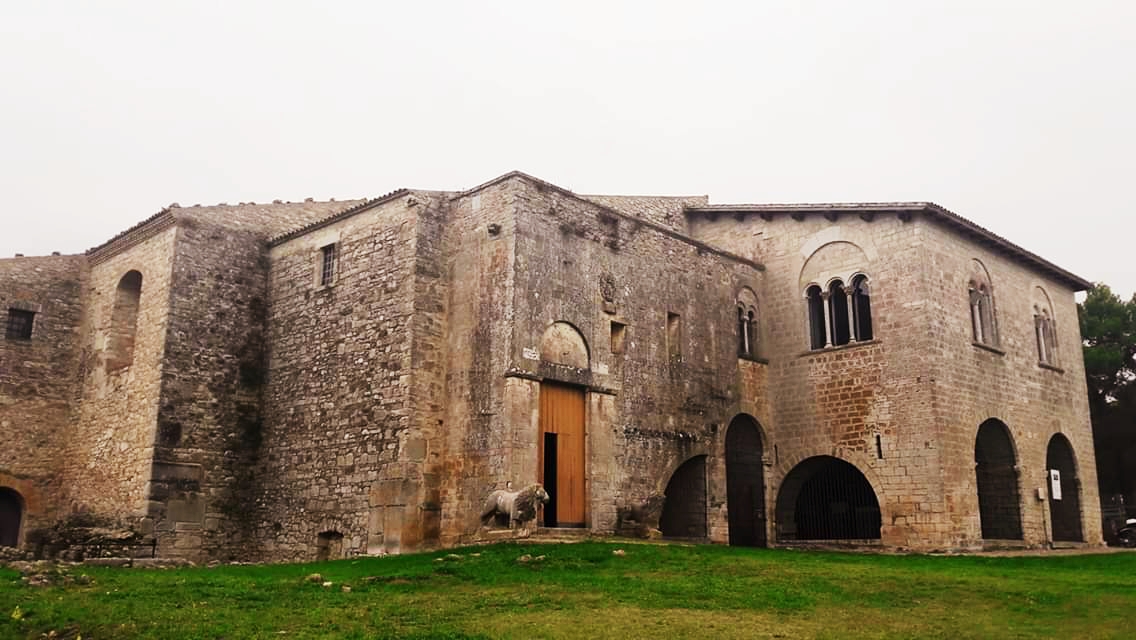


Geography and landscape
Basilicata occupies nearly 10,000 square kilometres and combines steep mountains, narrow valleys and a short coastal strip. Much of the interior is mountainous, which until modern infrastructure improvements impeded travel and trade. The region touches the Tyrrhenian Sea on the west and the Gulf of Taranto on the east, giving it varied coastal environments as well as inland uplands.
Notable summits include Monte Pollino, one of the highest peaks in the area, and the extinct volcanic cone Monte Vulture. Large protected areas and national parks preserve much of the native flora and fauna and are important for hiking and nature tourism.
History and development
The territory has long-standing historical roots under names such as Lucania in antiquity. Centuries of fragmented rule and difficult terrain fostered local traditions and small-scale economies rather than large urban consolidation. Difficult communication routes meant villages often developed independently, and many mountain communities retained distinct dialects and customs into the modern era.
Economy and modern change
Agriculture—olive groves, vineyards, cereals and pastoralism—has traditionally been the economic backbone. In recent decades the discovery and exploitation of hydrocarbon deposits in parts of the region brought new investment and jobs related to oil extraction, processing and services. These developments have complemented, rather than replaced, farming and also encouraged infrastructure projects and local industry.
Culture, towns and tourism
Basilicata's cultural landscape ranges from rock-cut settlements to medieval hill towns. The city of Matera, famous for the ancient cave district known as the Sassi, attracts international attention as an example of historic urban settlement adapted to limestone terrain. Rural festivals, regional cuisine and artisan crafts remain important to local identity and to the visitor experience.
- Major towns: Potenza, Matera, and several smaller historic centers.
- Natural attractions: Monte Pollino and surrounding protected areas.
- Coastal features: beaches and bays along the Tyrrhenian Sea and the Gulf of Taranto.
Notable facts and distinctions
Basilicata remains one of Italy's less urbanized regions, with a strong legacy of rural life, distinctive dialects and culinary traditions shaped by geography. Its combination of UNESCO-recognised heritage, mountain parks and recent energy projects makes it a region where deep historical roots and contemporary change are both visible.
For further reading and resources about the region and its communities see the linked items embedded throughout this article: region overview, demographic notes (population, historical census), geographic descriptions (terrain, major peaks, volcanic features), transport history (communication) and economic developments including oil extraction.
Tags
Related articles
Author
AlegsaOnline.com Basilicata: geography, history, economy and cultural highlights Leandro Alegsa
URL: https://en.alegsaonline.com/art/9250