
Candy cane (traditional Christmas confection)
Hard, cane-shaped boiled-sugar candy, usually white with red stripes and peppermint flavor; associated with Christmas and used ornamentally and in many culinary variations.
Overview
The candy cane is a hard, cane-shaped confection, typically a slender stick with a curved crook at one end. Most often seen as white with red stripes and flavored with peppermint, the candy cane is produced in a wide range of colors and flavors today. Its distinctive form makes it both an edible treat and a decorative object. The shape is sometimes described as cane-shaped, while the item itself is often called a candy stick in confectionery contexts. Classic peppermint notes remain a familiar profile, and the term peppermint is commonly associated with seasonal products.
Image gallery
4 Images


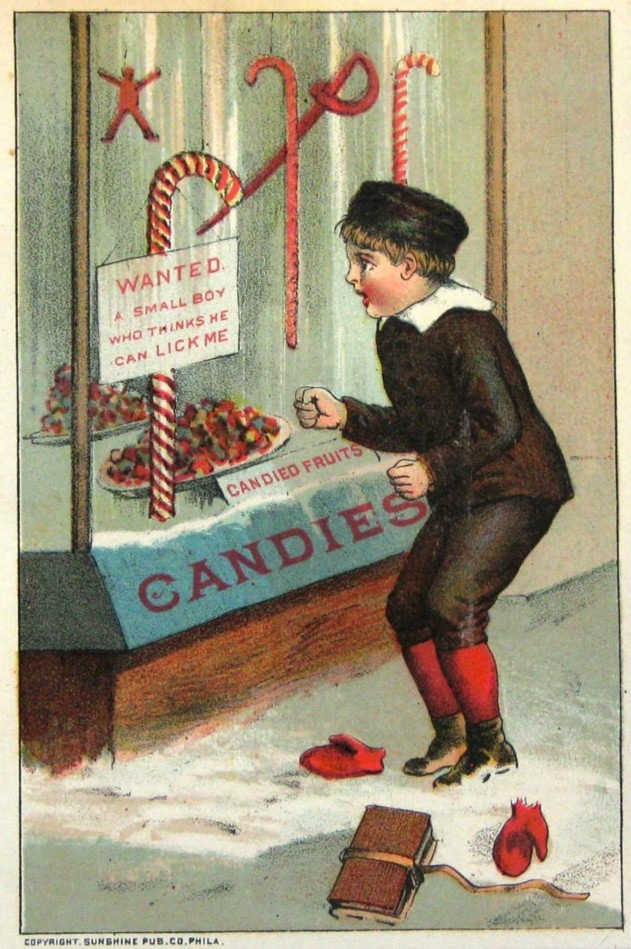
Characteristics and manufacture
Candy canes are made from boiled sugar syrup that is cooled slightly, then pulled and folded until it becomes glossy and brittle when set. Traditionally this work was done by hand: the candy maker pulls the mass to incorporate air and to develop a shiny surface, then adds colored sugar or colored streams for the stripes before forming the long stick and bending one end into a hook while still warm. Modern factories typically use machines to extrude, stripe, cut, and bend the pieces at high speed, allowing mass production for wide distribution. Artisanal producers may still hand-pull small batches to create thicker texture, unique color patterns, or specialty flavors. Variations in recipes produce differences in translucency, snap, and mouthfeel.
History and origin
Simple white sticks of sugar candy were known in Europe by the 17th century, and confections of boiled sugar have a long history in many cultures. A widely repeated story credits a choirmaster in Germany with asking confectioners to bend the straight sticks into shapes resembling a shepherd's staff to quiet children during long services; this account is best understood as a legend rather than a documented origin. Later customs and Victorian-era holiday celebrations helped popularize the curved form and seasonal use. Interpretations that assign specific religious meanings — for example linking the white color with purity and red with the blood of Jesus — are devotional readings that developed after the confection became associated with Christmas and are not universally accepted as the original intent. The striped, flavored candy evolved over time through regional practices and commercial innovation.
Uses, symbolism, and variations
- Conventional use: eaten as a sweet, handed out at gatherings, and commonly hung as ornaments on Christmas trees or used in wreaths and garlands.
- Culinary uses: crushed candy canes are used to flavor and decorate cookies, cakes, chocolates, and beverages; whole sticks are sometimes used as festive stirrers for hot drinks.
- Symbolism: in some cultural and religious contexts candy canes have been given symbolic meanings; such associations vary by community and are often recent additions to popular tradition (symbolism).
- Variations: beyond the classic peppermint, flavors include fruit, cinnamon, chocolate, and novelty combinations; colors and stripe patterns have similarly diversified, and year-round novelty versions appear in non-seasonal themes.
Production, commerce, and cultural role
Candy canes are strongly associated with the Christmas season in many Western countries, which has shaped production cycles and marketing. Large manufacturers operate automated lines to meet seasonal demand, while specialty confectioners supply artisanal and novelty markets. The confection is used in advertising, gift packaging, and holiday décor, and collectible or oversized candy canes are sometimes produced for displays or promotional events. Outside of Christmas, similar shaped candies appear in other contexts, and candy-cane inspired flavors are incorporated into a wide range of products.
Safety, storage, and collecting
As with other hard candies, candy canes are a choking hazard for young children and should be used with appropriate supervision. They are hygroscopic: exposure to humidity can make them sticky or cause surface bloom, so storage in a cool, dry place and in sealed packaging preserves texture. Collectors and hobbyists may preserve unusual or vintage designs, and bakers often keep crushed and whole sticks on hand for seasonal recipes.
The candy cane combines simple confectionery technique with cultural meaning that has changed over centuries. While its precise origins remain partly folkloric, its current status as a familiar holiday confection and decorative object is well established. For general context on related topics, consult entries on traditional sweets, holiday customs, and confectionery methods, including references to cane-shaped forms and the broader history of boiled sugar confections (candy stick, peppermint, Germany, shepherd's staff, Christian interpretations, symbolism).
Questions and answers
Q: What is a candy cane?
A: A candy cane is a hard cane-shaped candy stick that usually has white and red stripes and tastes like peppermint.
Q: Is the candy cane only associated with Christmas?
A: No, while it is a traditional candy of the Christmas holiday in the United States, it can be found during the rest of the year.
Q: How did candy canes become colorful?
A: According to legend, in the 17th century, a choir leader in Germany asked the candy makers to bend the white sticks of candy so that they looked like a shepherd's staff, and then added the red stripes for color.
Q: What do the colors of a candy cane symbolize?
A: The white part represents purity, and the red represents the blood of Jesus.
Q: Why were candy canes given to children during church services?
A: According to legend, the choir leader in Germany gave candy canes to the children to keep them quiet during church services.
Q: What flavors and colors are candy canes made in?
A: Candy canes are made in a variety of flavors and colors besides the traditional peppermint and red and white stripes.
Q: Are candy canes popular outside of the United States?
A: It is not specified in the text, but it is likely that candy canes are not as popular outside of the United States due to their association with Christmas in American culture.
Related articles
Author
AlegsaOnline.com Candy cane (traditional Christmas confection) Leandro Alegsa
URL: https://en.alegsaonline.com/art/16533
Sources
- inventhelp.com : "Candy Canes and Silver Lanes: The Invention of a Holiday Favorite"