
Brassica oleracea (wild cabbage): species, diversity and uses
Wild cabbage native to coastal Europe; the wild species from which cabbage, broccoli, cauliflower, kale, Brussels sprouts and kohlrabi were developed. Salt- and lime-tolerant, found on sea cliffs.
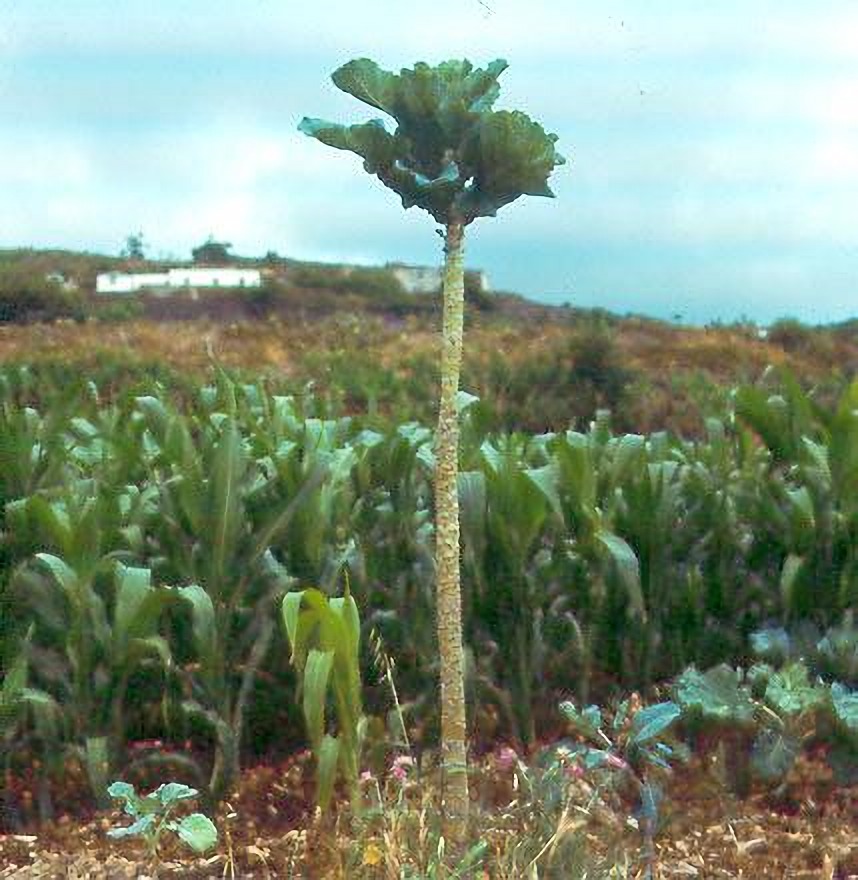
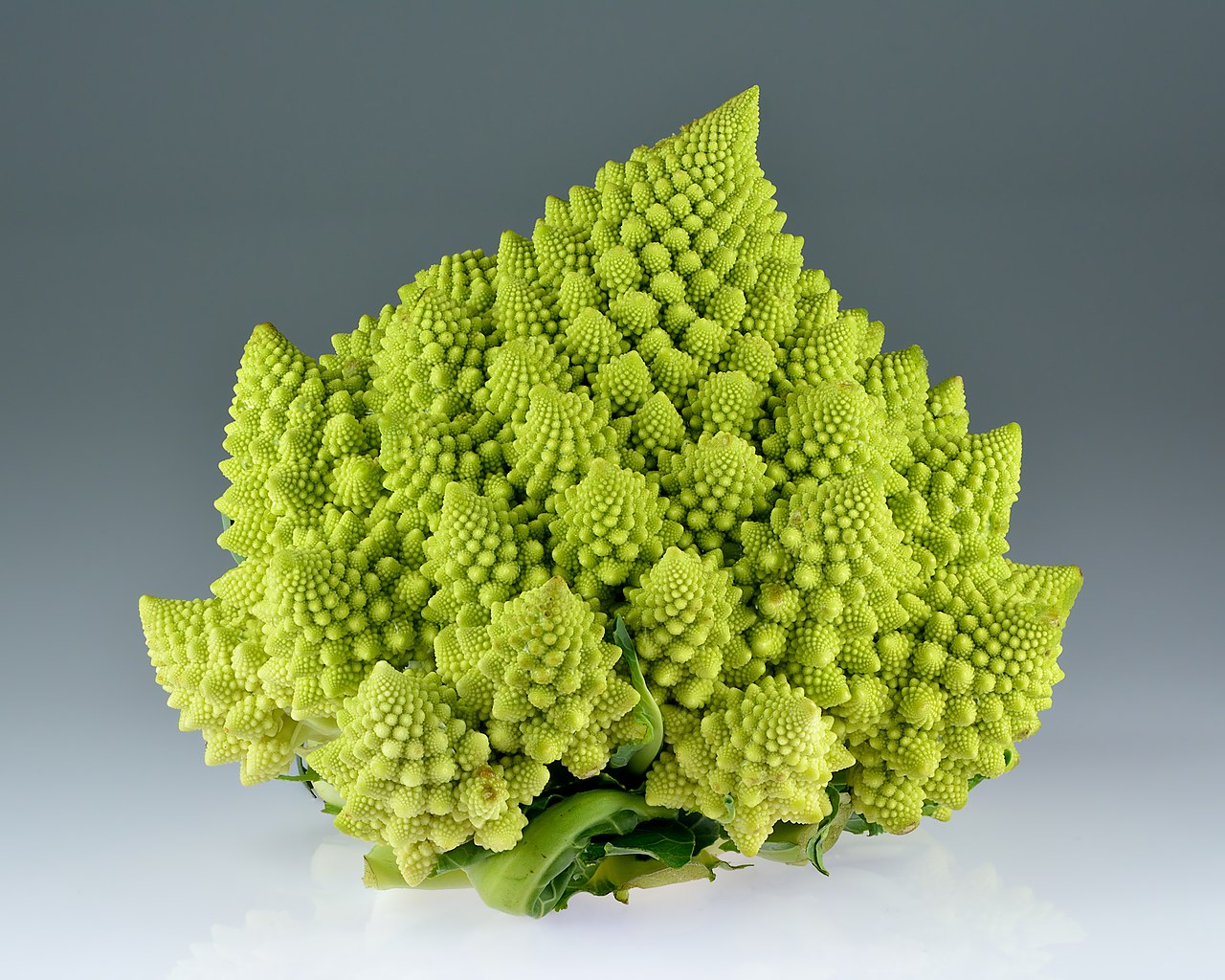
Brassica oleracea is a wild plant species in the Brassica group native to coastal parts of southern and western Europe, where it grows in thin soils above the sea. It is the wild ancestor of many familiar vegetables — including cabbage, broccoli, cauliflower, kale, Brussels sprouts and kohlrabi — that were produced by centuries of selective cultivation. The species is valued both as a subject of agricultural breeding and as an example of how strong morphological variety can arise from a single wild stock.
Image gallery
10 Images





Characteristics and habitat
In the wild B. oleracea is adapted to exposed coastal sites in southern and western Europe. It tolerates high soil lime and salt spray, a trait that restricts it to thin, calcareous soils and rocky outcrops rather than dense, competitive vegetation. Because of these preferences it is typically found on limestone headlands and sea cliffs, such as the chalk faces that occur on both sides of the English Channel. This environmental specialization helps explain its rarity inland and its persistent stands on coastal cliffs.
Domestication and cultivated groups
Humans selected B. oleracea forms for various desirable traits, resulting in distinct cultivar groups that emphasize different plant parts. Major cultivated groups include:
- Capitata — head-forming cabbage
- Italica — large flowering heads (broccoli)
- Botrytis — compact flower heads (cauliflower)
- Gemmifera — axillary buds (Brussels sprouts)
- Acephala — loose-leaf types (kale)
- Gongylodes — swollen stem (kohlrabi)
Each cultivated form results from selection on growth habit, meristem behavior or storage organ development rather than from hybridization with distant species.
Uses, importance and research
B. oleracea crops are staple vegetables in many cuisines and are important sources of vitamins, minerals and dietary fiber. Beyond their direct food value, these crops serve as models in plant science for understanding how developmental pathways can be redirected by selection to produce heads, flowers, stems or buds. The species has been extensively studied in genetics and breeding programs aimed at disease resistance, yield improvement and nutritional quality.
Notable facts and distinctions
Although the cultivated forms look quite different, they belong to a single species and can sometimes interbreed under cultivation. The wild coastal populations remain important as a genetic resource because they retain alleles adapted to stressors such as salt, wind and calcareous soils. Conservation of natural stands and continued study of their ecology help inform both biodiversity protection and crop improvement.
For further reading on taxonomy, ecology and cultivation see resources linked to the genus and coastal habitats: Brassica overview, coastal distribution notes at regional floras, adaptation papers at salt and lime tolerance studies, and habitat descriptions for limestone and sea cliffs including the English Channel chalk areas.
Questions and answers
Q: What is Brassica oleracea?
A: Brassica oleracea is a species of Brassica that is also known as wild cabbage, which is native to coastal southern and western Europe.
Q: What are the growing conditions for Brassica oleracea?
A: Brassica oleracea grows well in areas with salt and lime. It dislikes competition from other plants and is therefore restricted to limestone sea cliffs.
Q: Where is Brassica oleracea found?
A: Brassica oleracea is found in coastal southern and western Europe. It grows on the chalk cliffs on both sides of the English Channel.
Q: What is the natural habitat of Brassica oleracea?
A: The natural habitat of Brassica oleracea is the limestone sea cliffs in coastal regions of southern and western Europe.
Q: What is the special quality of Brassica oleracea?
A: Brassica oleracea has a tolerance for salt and lime, which enables it to grow in the limestone sea cliffs in coastal regions of southern and western Europe.
Q: Why does Brassica oleracea not grow well with other plants?
A: Brassica oleracea does not grow well with other plants because it dislikes the competition from other plants.
Q: Is Brassica oleracea found in other parts of the world?
A: Yes, Brassica oleracea has been introduced to other parts of the world and is widely cultivated as different vegetables such as broccoli, cauliflower, kale, collard greens, Brussel sprouts, savoy, kohlrabi, and cabbage.
Related articles
Author
AlegsaOnline.com Brassica oleracea (wild cabbage): species, diversity and uses Leandro Alegsa
URL: https://en.alegsaonline.com/art/13755
Sources
- jstor.org : "Rapid-cycling populations of Brassica"
- doi.org : 10.1126/science.232.4756.1385
- pubmed.ncbi.nlm.nih.gov : 17828914