
Bison: overview, appearance, habitat, history and conservation
Large shaggy bovines of the genus Bison found in North America and Europe. Covers physical traits, habitat, ecological role, cultural importance, conservation history and how they differ from true buffalo.
Bison are large, even-toed ungulates in the genus Bison and members of the broader bovine family. They are characterized by a heavy front end, a pronounced shoulder hump, curved horns, and a thick winter coat. Although commonly called "buffalo" in casual speech, bison are not closely related to the African buffalo (African buffalo) or the Asian water buffalo (water buffalo).
Image gallery
10 Images
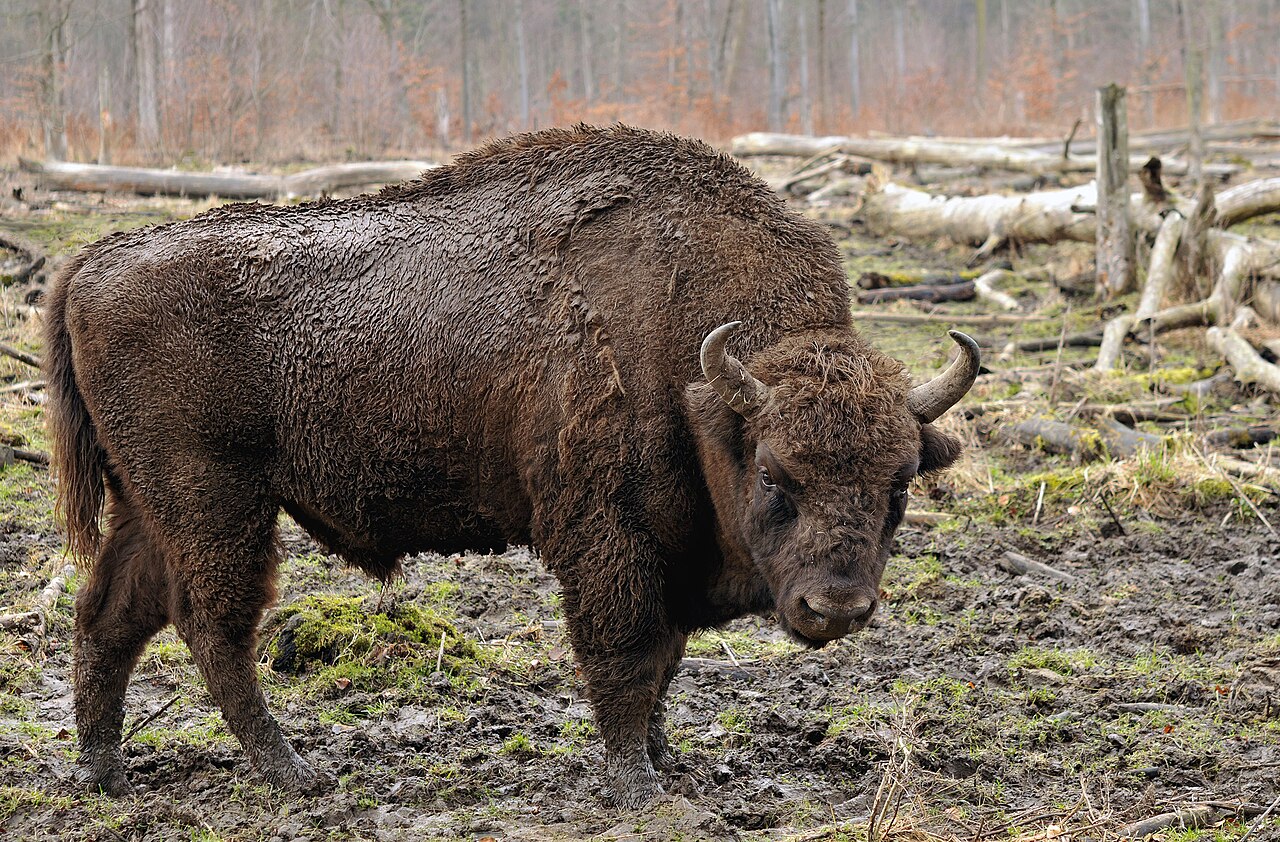
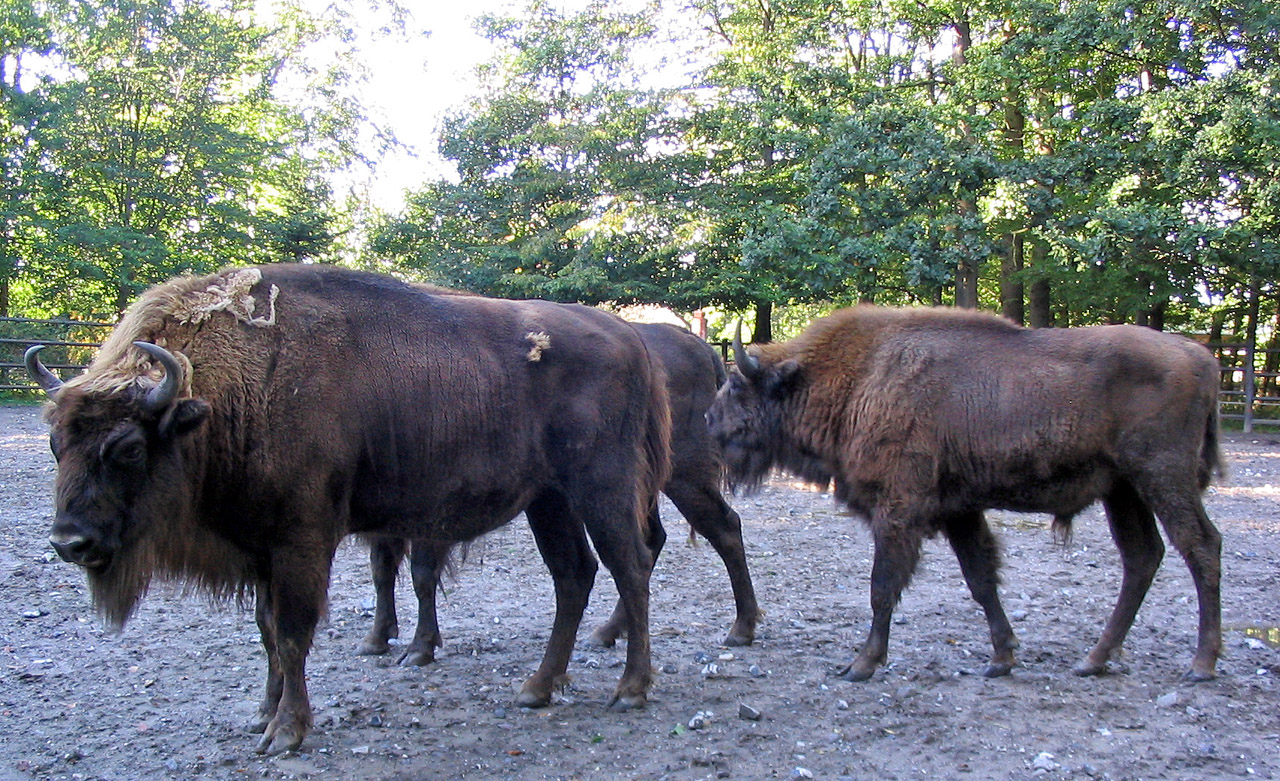


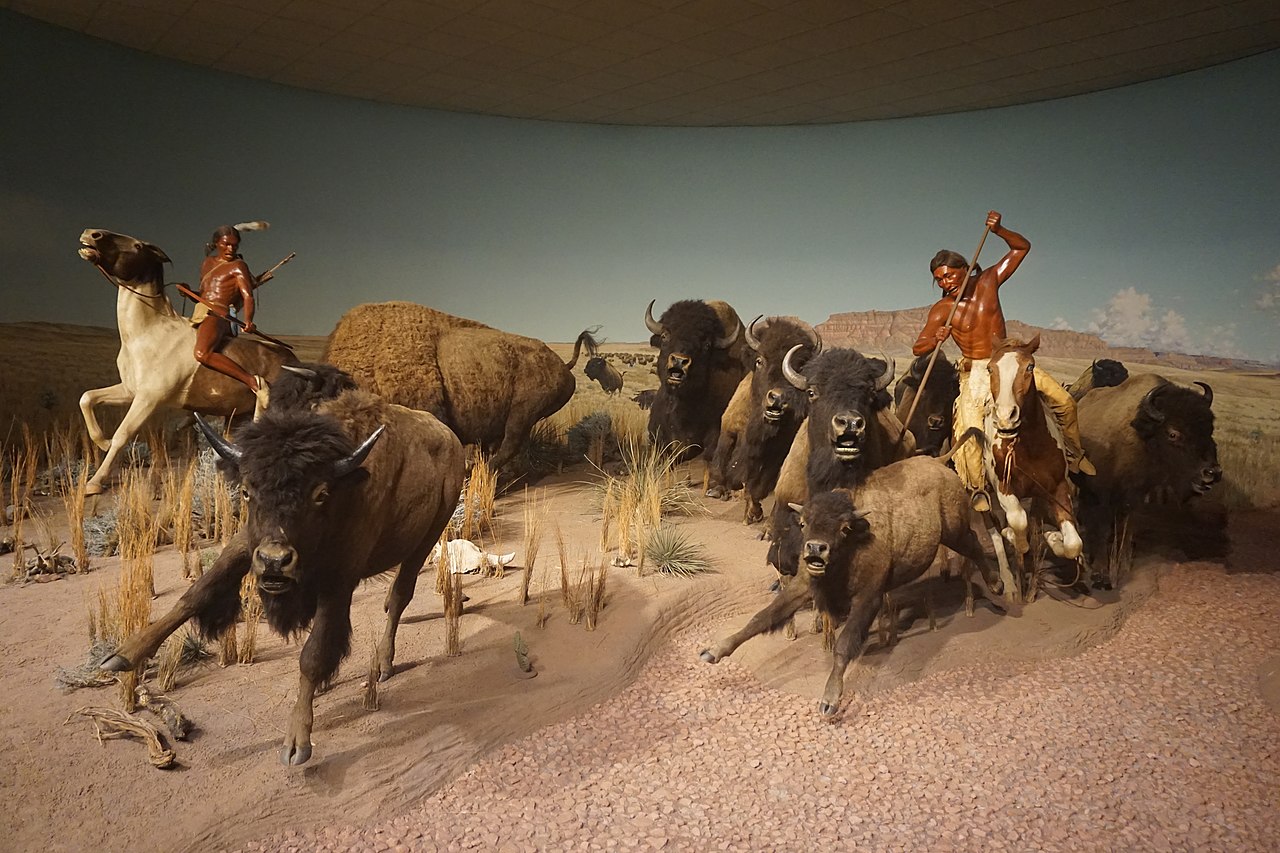


Key characteristics
Bison combine adaptations for cold climates and open grasslands. Typical features include a dense woolly mane on the head and neck, large muscle mass in the shoulders, a broad head carried low while grazing, and both sexes bearing short, upward-curving horns. They are primarily grazers and have digestive systems adapted to fibrous grasses.
- Size: large-bodied, heavy-set, built for strength rather than speed.
- Coat: seasonal—thicker in winter to insulate against cold.
- Social structure: live in loose herds that may change composition by season.
- Reproduction: relatively low reproductive rate compared with many ungulates.
Distribution and habitat
The best-known species are the American bison (Bison bison) and the European bison or wisent (Bison bonasus). The American bison historically ranged across much of North America, especially grassland regions such as the prairies, and could be found in large roaming groups. The wisent inhabited forests and mixed landscapes in parts of Europe. Bison are adaptable and may occupy plains, open woodlands, and more rugged terrain.
History and conservation
Human hunting and habitat loss dramatically reduced bison populations in the 19th century, when once-vast herds were brought to the brink of extinction. Early conservation actions, private protection, and national parks helped stabilize and slowly restore numbers. Modern management combines protected areas, ranching partnerships, and rewilding projects that aim to maintain genetically healthy populations and restore bison to appropriate landscapes where feasible. Historical accounts often note their former vast herds across continents.
Ecological and cultural importance
Bison affect vegetation structure through grazing and wallowing, creating habitat heterogeneity that benefits other species. They have cultural and spiritual significance for many Indigenous peoples of North America, and they figure in folklore, art, and modern conservation ethics. There have also been agricultural efforts to crossbreed bison with cattle to produce hardy hybrids, and bison meat and hides have been used historically and today in specialty markets.
Notable distinctions often emphasized in field guides and educational materials include the bison's hump and shaggy coat versus the sleeker silhouette of true buffalo species. For readers seeking introductory comparisons, see treatments that contrast bison with the African buffalo and the water buffalo. For regional information, consult sources on bison in North America, European conservation programs, and grassland ecology such as studies of the prairies. Further reading and site-specific resources may be found through conservation organizations and protected-area guides (herd management references).
Questions and answers
Q: What are bison?
A: Bison are large, even-toed ungulates that are bovines, similar to cows.
Q: Are bison closely related to African buffalo or water buffalo?
A: No, bison are not closely related to African buffalo or water buffalo.
Q: Where do bison live?
A: Bison live in the northern part of the world.
Q: Where does the American bison live?
A: The American bison lives in North America.
Q: Where do wisent live?
A: Wisent live in Europe.
Q: Where do bison live in large herds?
A: Bison formerly wandered around the prairies in huge herds in North America.
Q: Can bison live in rugged areas?
A: Yes, bison can also live in rugged areas.
Tags
Related articles
Author
AlegsaOnline.com Bison: overview, appearance, habitat, history and conservation Leandro Alegsa
URL: https://en.alegsaonline.com/art/11817
Sources
- species.wikimedia.org : Bison
- commons.wikimedia.org : Bison
- animals.howstuffworks.com : "What brought bison back from the brink of extinction?"
- wikidata.org : Q18099
- gd.eppo.int : 1BISOG
- eu-nomen.eu : 305220
- fauna-eu.org : 6919c61e-4b5b-4e33-956a-f8b0190f04b4
- fossilworks.org : 42751
- gbif.org : 2441175
- inaturalist.org : 42406
- irmng.org : 1030556
- itis.gov : 180705
- departments.bucknell.edu : 14200668
- data.nbn.org.uk : NHMSYS0000376442