
Airedale Terrier: history, appearance, and roles
The Airedale Terrier is a versatile British terrier breed from the Aire valley in Yorkshire, known for its wiry coat, intelligence, and history as a hunting and working dog.
Overview
The Airedale Terrier is a medium-to-large dog from the terrier group originally developed in the valley of the River Aire in Yorkshire, Yorkshire and more broadly in England. Bred for a mix of speed, stamina and courage, the Airedale combined qualities of smaller terriers with the ability to work in water and on land. It is commonly referred to simply as the "Airedale." The breed has historically been described as the "King of Terriers" because it was the largest of the terrier breeds for many years.
Image gallery
10 Images




Appearance and temperament
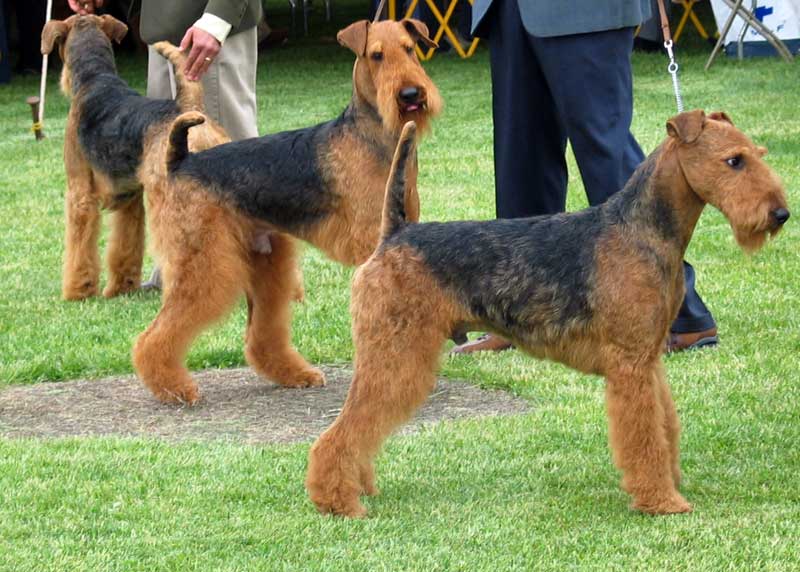
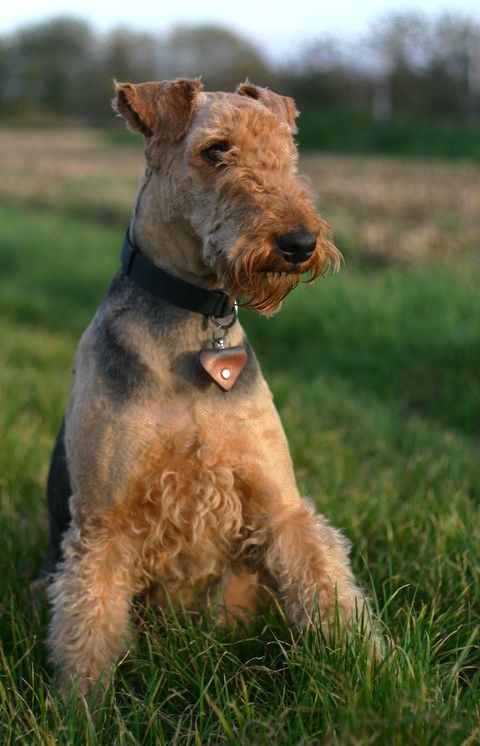
Airedales have a distinctive harsh, wiry outer coat and a softer undercoat that sheds minimally when properly maintained. Typical coloring is a tan body with a darker saddle over the back. Their build is athletic and square, reflecting working-dog origins rather than the compact form of many other terriers. Temperamentally, Airedales are known for intelligence, alertness and independence. They can be affectionate and loyal with families but often retain a bold, energetic nature that suits active owners.
History and development
The breed was developed by crossing local terriers with larger hounds and possibly other working dogs to create an animal capable of pursuing otters and other quarry along rivers and marshes; this use led to the alternate name "Waterside Terrier." Airedales were refined through selective breeding in the 19th century into a versatile working breed. Over time they found roles beyond hunting, including guard and service work.
Uses and roles
Airedales have served in a variety of capacities. They have been used in hunting and retrieving along waterways, in police and security roles in their country of origin, and as companions. Their intelligence and trainability made them useful as messenger and sentry dogs in early 20th-century conflicts, and they continue to compete in obedience, agility and working trials. Modern owners may keep them as active family companions or engaged working dogs.
Care, training and common considerations
- Grooming: Regular hand-stripping or clipping preserves the wiry texture and controls shedding.
- Exercise: High energy levels require consistent daily exercise and mental stimulation.
- Training: Consistent, firm and positive training methods work best; early socialization helps manage independent tendencies.
- Health: Like many breeds, Airedales benefit from routine veterinary care and attention to common breed concerns.
Notable facts and distinctions
The Airedale's combination of size, versatility and tenacity set it apart among terriers; it was long considered the largest terrier until the recognition of larger breeds. In Britain the breed has occasionally been employed in official roles such as police work, reflecting its trainability and courage. For further reading on terrier types and classifications see general resources on the terrier group.
Questions and answers
Q: Where did the Airedale Terrier originate from?
A: The Airedale Terrier originated from Airedale, a geographic area in Yorkshire, England.
Q: What is the Airedale Terrier known as?
A: The Airedale Terrier is known as the "King of Terriers" because it was the largest of the terrier breeds.
Q: What was the Airedale Terrier bred for?
A: The Airedale Terrier was bred to hunt otters in and around the valleys of the River Aire in Airedale.
Q: What is another name for the Airedale Terrier?
A: Another name for the Airedale Terrier is the Waterside Terrier.
Q: Has the Airedale Terrier been used as a police dog?
A: Yes, in England the Airedale Terrier has been used as a police dog.
Q: What type of dog is the Airedale Terrier?
A: The Airedale Terrier is a breed of the terrier type.
Q: What is the significance of the River Aire in relation to the Airedale Terrier?
A: The Airedale Terrier was bred to hunt otters in and around the valleys of the River Aire in Airedale.
Tags
Related articles
Author
AlegsaOnline.com Airedale Terrier: history, appearance, and roles Leandro Alegsa
URL: https://en.alegsaonline.com/art/1690