
Basenji: the barkless hunting dog with catlike habits
Basenji — an ancient African hunting breed known for its yodel-like voice, clean habits, erect ears and curled tail. Independent, alert and affectionate with a distinctive temperament and care needs.
Overview
The Basenji is a small-to-medium hunting dog breed of Central African origin that is widely known for its unusual vocalizations and fastidious grooming. Often called the "barkless" dog, the Basenji does not bark in the typical canine way; instead it produces a range of sounds sometimes described as yodels, howls or chortles. The breed combines a compact, athletic body with a confident, curious temperament and a strong hunting instinct. Learn more.
Image gallery
10 Images

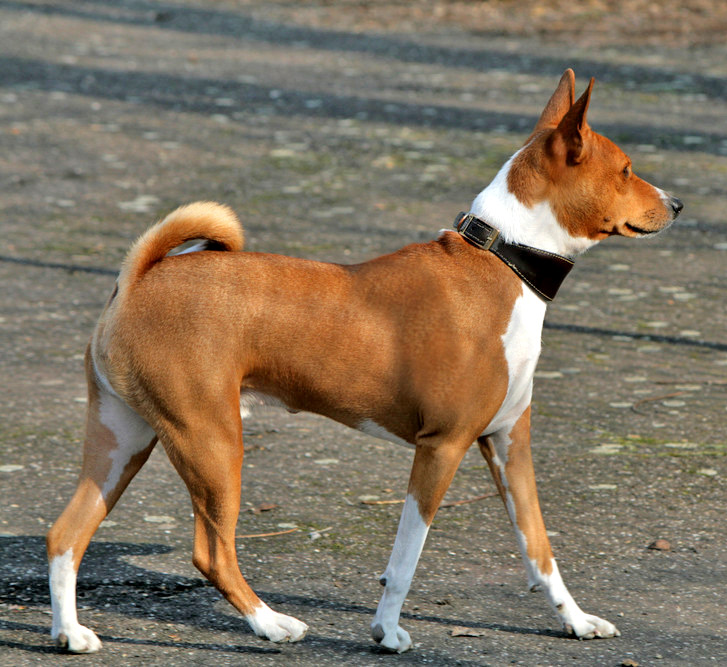


Appearance and distinctive traits
Basenjis have short, fine coats that are easy to care for and rarely produce a strong doggy odor. Their faces often show expressive forehead wrinkles, their ears stand erect, and their tails curl tightly over the hip. The breed's general look is tidy and terrier-sized rather than large or heavyset. Grooming is minimal: routine brushing and attention to dental and nail care are usually sufficient. Appearance details and care tips.
Vocalizations and behavior
Basenjis are famous for their atypical vocal pattern. Instead of barking, they make a variety of sounds, including a high-pitched yodel sometimes called a "barroo." They are clean and catlike in their habits, regularly grooming themselves and often preferring to keep their coats free of debris. Basenjis are intelligent, independent and alert; they form strong bonds with their families but may select one person as their primary attachment. Their independence can make training a challenge, so consistent, positive methods and early socialization are important. Behavior overview and vocal behavior.
History and original purpose
The breed traces its roots to central Africa, where dogs of this type were used by hunters for tracking and flushing small game. Archaeological and cultural evidence suggests a long association between local people and these dogs, and their characteristic traits—speed, alertness and quiet hunting style—reflect that working heritage. The modern breed was developed and standardized as it moved into Europe and the Americas, but it retains many ancestral behaviors that recall its hunting past. Origins and history.
Health, exercise and living needs
Basenjis are active and need daily physical and mental exercise. Short bursts of high-energy activity, scent work and puzzle toys help keep them engaged. They can be escape-oriented due to curiosity and a strong prey drive, so secure fencing and supervised off-leash time in safe areas are essential. Health screening for breeds of this type is recommended; some lines may be predisposed to specific inherited conditions, so responsible breeders and veterinarians emphasize testing and informed care. Exercise needs, living considerations, and health screening.
Suitability and ownership considerations
Basenjis suit owners who appreciate an independent, alert companion rather than a traditionally obedient or highly biddable pet. They can be affectionate and loyal, forming close family bonds, but they generally need patient, consistent training and outlets for natural behaviors. Their low-maintenance coat and low overt barking make them appealing for many households, but their energy, prey drive and escape tendencies require a careful match between dog and owner. Choosing a Basenji and training advice.
Notable facts and distinctions
- Often called "barkless," though they are vocal in other ways. Vocal traits.
- Ancient African roots and a long history as a hunting companion. Historical notes.
- Catlike grooming habits and a typically low odor. Grooming.
- Forms strong, often selective bonds with family members. Temperament and family life.
Further reading and resources:
- Breed overview
- Physical characteristics
- Care and grooming
- Behavioral profile
- Vocalizations explained
- Origins and history
- Exercise requirements
- Living with a Basenji
- Health and screening
- Is a Basenji right for you?
- Training resources
- Vocal trait studies
- Cultural history
- Grooming guidance
- Temperament notes
- Family and bonding
Questions and answers
Q: What is a Basenji?
A: Basenji is a breed of dog known for being one of the smartest dogs.
Q: What are Basenjis good at?
A: Basenjis are excellent at hunting and can help people find animals.
Q: Why are Basenjis often said to be "barkless" dogs?
A: Basenjis are often said to be "barkless" dogs because they don't "bark" like other dogs. They make a unique sound which is like a yodel.
Q: Are Basenjis clean dogs?
A: Yes, Basenjis are clean dogs. They are more cat-like than other dogs because they spend a large amount of time cleaning themselves when they have any dirt on their coats.
Q: What makes Basenjis different from other dogs?
A: Basenjis are different from other dogs because they are "talking dogs" and do not bark like other dogs. They make a unique sound which is like a yodel. They are also more cat-like in their cleanliness habits.
Q: What is the personality of a Basenji like?
A: Basenjis are wonderfully friendly by nature, as well as being inquisitive and confident. They form a very strong and close bond with a family, and in particular with one person in a household.
Q: What is the size of a Basenji?
A: Basenjis are around the size of a terrier and have wrinkles on their foreheads.
Tags
Related articles
Author
AlegsaOnline.com Basenji: the barkless hunting dog with catlike habits Leandro Alegsa
URL: https://en.alegsaonline.com/art/9217