
Iris (plant): genus of flowering plants and garden favorites
Iris is a genus of roughly 260–300 species of showy flowering plants in the Iridaceae family. This article covers appearance, taxonomy, history, cultivation and commonly grown groups.
The iris is a genus of perennial flowering plants prized for their distinctive, often vivid blooms. The botanical name comes from the Greek word for rainbow, reflecting the wide range of colors found across its species. Irises belong to the family Iridaceae and include both rhizomatous and bulbous types. Many species and hybrids are widely cultivated for borders, beds and cut flowers, while others are valued for their roots in perfumery and traditional uses. For more taxonomic information see classification resources.
Image gallery
10 Images


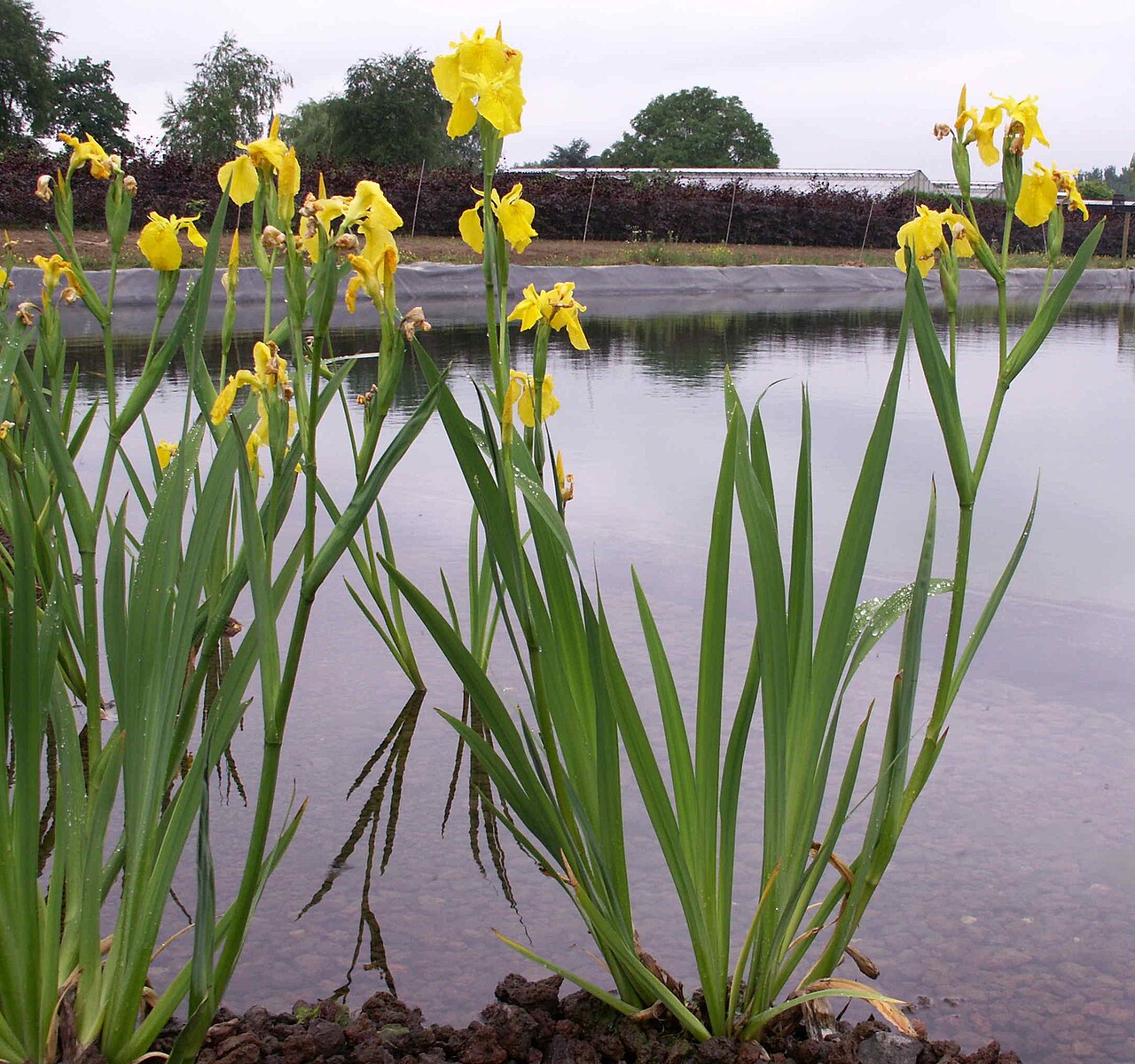
Characteristics and structure
Irises share a recognizable flower structure: typically three upright petals (standards) and three downward petals or sepals (falls). The plant body may form from robust rhizomes or from bulbs, depending on the species. Leaves are usually sword-shaped and arranged in fans. Several cultivated groups are commonly distinguished by their growth habit and floral traits, such as bearded, beardless and crested irises. For detailed botanical descriptions consult a gardening or botanical guide: plant descriptions.
History, origin and taxonomy
Species of Iris are native to temperate regions of the Northern Hemisphere, with centers of diversity in Europe, Asia and North America. The genus has been known since classical antiquity; irises appear in art and symbolism across cultures. Modern botanical study splits the genus into multiple sections and subgenera, and plant breeders have produced countless hybrids and cultivars. For historical and etymological context see Greek origins and curated historical summaries at botanical history sources.
Cultivation, uses and examples
Irises are grown for ornamental display, cut flowers and landscape accents. Many gardeners favor bearded irises for spring shows and Siberian or Japanese irises for moist beds. The dried rhizome of some species, commonly called orris root, has been used in perfumery and traditional remedies. Cultural needs vary: some species prefer well-drained soils and full sun, others tolerate moisture and partial shade. Practical cultivation advice is available from horticultural sources: gardening guides and plant care pages.
Notable species and distinctions
- Iris germanica and related bearded irises — popular garden cultivars known for large, showy flowers.
- Iris sibirica and Iris ensata — examples of beardless irises often used in damp garden sites.
- Bulbous irises such as Iris reticulata — hardy, early-flowering types grown from bulbs for rock gardens and containers.
Distinguishing groups by their growing organ (rhizome versus bulb), presence or absence of a beard on the falls, and preferred moisture regime is useful for selection and care. Further resources and identification keys can be found at specialist sites: species lists and family references. For gardeners seeking cultivar recommendations consult regional sources: cultivar catalogs and horticultural societies.
Related articles
Author
AlegsaOnline.com Iris (plant): genus of flowering plants and garden favorites Leandro Alegsa
URL: https://en.alegsaonline.com/art/48162
Sources
- apps.kew.org : "WCSP: Iris"
- pacificbulbsociety.org : "Iris"
- almanac.com : "Irises"
- commons.wikimedia.org : Iris (plant)