
Tulip (Tulipa): overview, description, history and cultivation
Tulips (genus Tulipa) are bulbous spring-flowering plants prized for their colorful, cup-shaped blooms. This article explains their appearance, native range, history, garden uses and basic cultivation.
Overview
The tulip is a spring-blooming, bulbous plant of the genus Tulipa. Widely cultivated as an ornamental, tulips are grown for their bright, symmetrical flowers and long-lasting blooms. The genus includes many wild species and thousands of cultivated varieties developed for gardens and cut-flower production. For a general introduction and classification see Tulip overview.
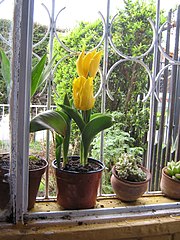
Image gallery
10 Images




Appearance and botanical notes
Tulips typically produce a single stem topped by a single cup- or bowl-shaped flower, although some cultivars carry multiple flowers per stem. Leaves are usually lance-shaped and arise from an underground bulb, which stores the food needed for spring growth. Flowers occur in a wide palette of colors and forms, including single, double, fringed and parrot types. Detailed lists of species and cultivar groups are available through horticultural references such as cultivar guides.

Native range and history
Wild tulips originate in a broad area stretching from southern Europe and north Africa through the Mediterranean basin and across Asia from Anatolia and Iran to parts of China and Japan. They have been known and cultivated for centuries in Central and West Asia. Tulips became particularly famous in Europe after their introduction from Ottoman gardens; their popularity rose sharply and had major cultural and economic effects in parts of Europe, notably during the well-known speculative period in the Netherlands in the 17th century. For historical context see historical sources and accounts of cultivation in Asia at regional botanical references.

Cultivation, uses and importance
Tulips are primarily used as bedding and border plants, in containers and as cut flowers. They are grown from bulbs planted in autumn in temperate climates, requiring a period of cool dormancy to flower reliably the following spring. Commercial production and cultural displays are especially associated with the Netherlands; for further information on production and trade see Netherlands tulip industry.
Types, breeding and notable facts
- Garden types include early, midseason and late flowering groups, as well as specialty forms such as double and triumph tulips.
- Breeders select for color, flower form, stem length and disease resistance; some striking historic patterns were caused by plant viruses that created streaked or 'broken' flowers.
- Tulips are propagated by offset bulbs and, for some breeding purposes, by seed; bulbs are lifted and stored in commercial cycles where climates permit.
Tulips combine horticultural value with cultural symbolism in many countries and remain a popular subject for gardeners, artists and festivals. For further reading and practical growing advice, consult the linked resources above.
Related articles
Author
AlegsaOnline.com Tulip (Tulipa): overview, description, history and cultivation Leandro Alegsa
URL: https://en.alegsaonline.com/art/101979