
Emphysema: causes, mechanisms, symptoms, diagnosis and management
Emphysema is a chronic lung condition in which alveoli are damaged, most often from smoking. This article explains causes, how it alters breathing, common symptoms, diagnosis and current treatment approaches.
Overview
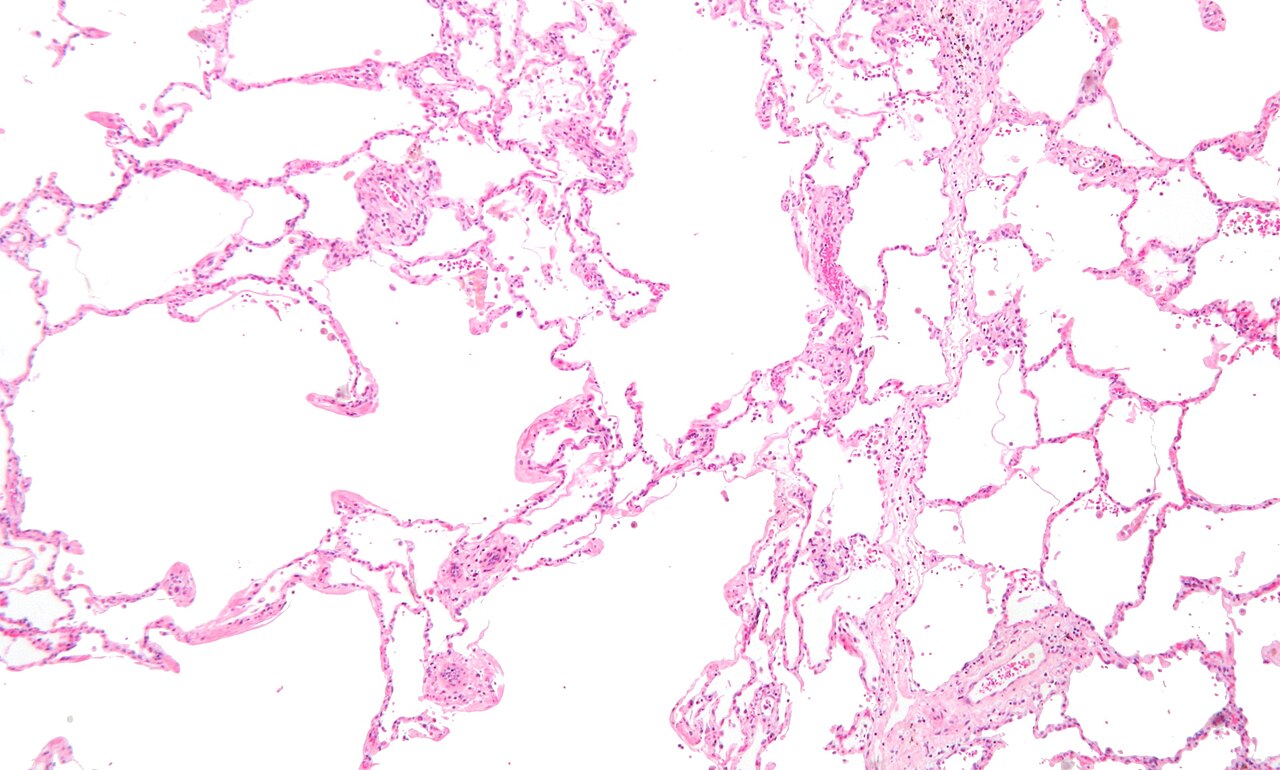
Emphysema is a long‑term condition that affects the lungs. It is one component of chronic obstructive pulmonary disease (COPD), a group of disorders characterized by airflow limitation that is not fully reversible. Emphysema primarily involves destruction of the tiny air sacs (alveoli) where oxygen and carbon dioxide are exchanged between air and the blood. Damage to these structures reduces surface area for gas exchange and alters the mechanical properties of the lungs, making exhalation difficult and causing air trapping.
Image gallery
10 Images



Causes and risk factors
The most common cause of emphysema is tobacco smoking, which generates chronic inflammation and chemical injury in the airways and alveoli. Long‑term exposure to other airborne pollutants—such as occupational dusts, indoor biomass smoke, and environmental air pollution—can also contribute. A small proportion of cases result from inherited deficiency of the protein alpha‑1 antitrypsin, which normally protects lung tissue from destructive enzymes. In many patients, multiple factors combine over years to produce the disease.
Pathophysiology and types
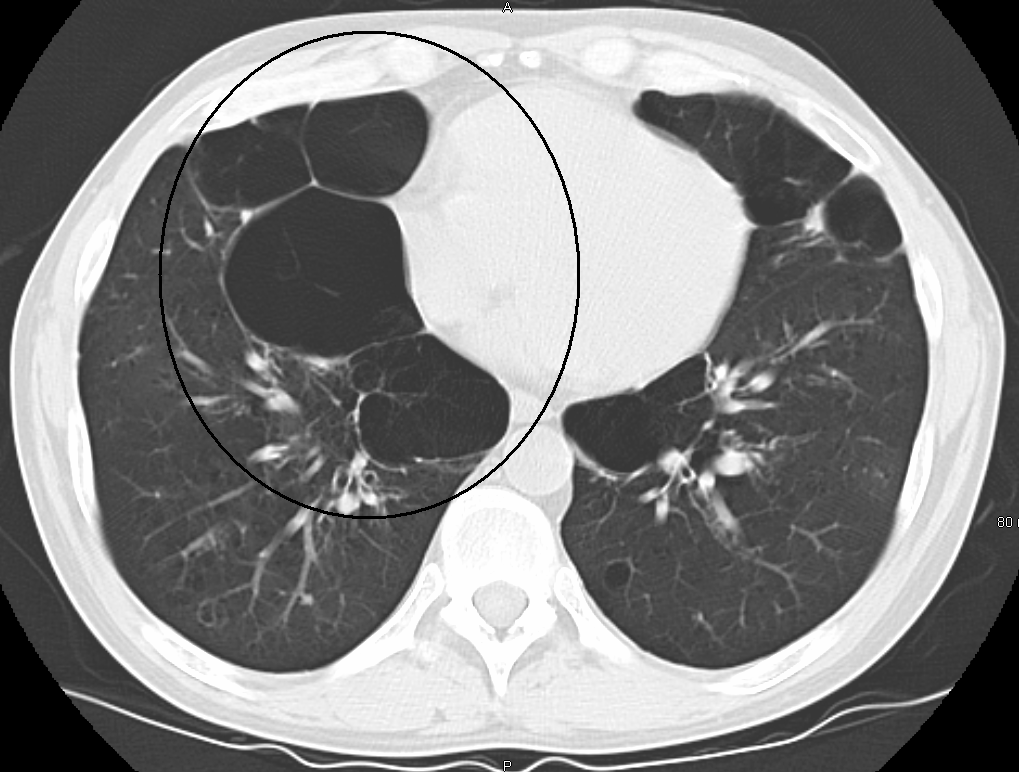
Emphysema is defined by loss of alveolar walls and enlargement of airspaces distal to the terminal bronchioles. This process decreases elastic recoil and impairs the ability to expel air, leading to hyperinflation. Clinically and radiologically, emphysema is sometimes described by distribution: centriacinar (more central lobule involvement, common in smokers), panacinar (uniform involvement, seen with alpha‑1 antitrypsin deficiency), and paraseptal (subpleural). These patterns help guide diagnosis but there is often overlap.
Symptoms and clinical features
- Progressive shortness of breath (dyspnea) on exertion
- Chronic cough and sputum production (when chronic bronchitis coexists)
- Wheezing and reduced exercise tolerance
- Physical signs of hyperinflation such as a barrel‑shaped chest and decreased breath sounds
Diagnosis and assessment
Diagnosis combines a clinical history, especially exposure to cigarette smoke or other risk factors, with objective testing. Spirometry demonstrates airflow obstruction (reduced FEV1/FVC ratio) and helps stage airflow limitation. Imaging, most commonly chest CT, can show areas of emphysematous destruction and distribution patterns. Tests for blood oxygen levels and, when indicated, alpha‑1 antitrypsin levels are used to guide management.
Treatment and management
There is no cure that reverses established emphysema, but many therapies reduce symptoms, slow progression, and improve quality of life. Key measures include smoking cessation, vaccination, pulmonary rehabilitation, and inhaled medications such as bronchodilators and, in selected patients, inhaled or systemic corticosteroids. Long‑term supplemental oxygen therapy is prescribed for people with significant resting hypoxaemia and, when used for many hours per day, has been shown to reduce complications of heart strain. In advanced or localized disease, options such as lung volume reduction procedures or transplantation may be considered for carefully selected patients.
Prognosis, prevention and notable points
Outcomes vary by disease severity, ongoing exposures, and comorbidities. Early smoking cessation is the single most effective step to slow progression. Prevention strategies emphasize reducing tobacco use and occupational or environmental inhalational risks. Because emphysema is often part of COPD, coordinated care that addresses exercise capacity, vaccination, and exacerbation prevention improves long‑term outcomes.
For more general information, clinical guidelines and patient resources are available through professional organizations and health services; consult authoritative sources or healthcare providers to obtain individualized advice and up‑to‑date recommendations (lung health, COPD resources, smoking cessation, oxygen therapy, gas exchange basics, anti‑inflammatory treatments).
Questions and answers
Q: What is emphysema?
A: Emphysema is a disease that affects the lungs.
Q: What is chronic obstructive pulmonary disease (COPD)?
A: COPD is a set of diseases where the flow of air in the lungs is obstructed.
Q: What causes emphysema?
A: Emphysema is most often caused by smoking but can also be caused by other diseases or have no known cause at all.
Q: What happens in the lungs in a person with emphysema?
A: In a person with emphysema, the very small air sacs at the ends of the airways in the lungs start to break down from many sacs to form much bigger sacs, making it hard for people to blow air out of the lungs and creating the characteristic "barrel chest" of emphysema.
Q: Is there a cure for emphysema?
A: No, there is no cure for emphysema.
Q: What treatments are used for emphysema?
A: Treatment for emphysema includes stopping smoking and taking medicines like "broncho-dilators" and sometimes corticosteroids. Supplemental oxygen is recommended for those with low oxygen levels at rest, and it may improve people's ability to exercise.
Q: What are the risks associated with oxygen supplementation for those with emphysema?
A: There is a risk of fires and little benefit when those on oxygen continue to smoke.
Related articles
Author
AlegsaOnline.com Emphysema: causes, mechanisms, symptoms, diagnosis and management Leandro Alegsa
URL: https://en.alegsaonline.com/art/31271