
University of Pennsylvania
Private Ivy League research university in West Philadelphia, founded in the 18th century; noted for interdisciplinary education, the Wharton School, professional schools, research, and urban engagement.
Overview
The University of Pennsylvania, commonly called Penn, is a private research university in Philadelphia and a member of the Ivy League. Founded in the mid-18th century, the institution traces its origins to an academy established by civic leaders and received a colonial charter in the 1750s. Penn is known for combining a broad liberal arts curriculum with a large portfolio of professional schools and a long-standing emphasis on practical as well as theoretical education.
Image gallery
10 Images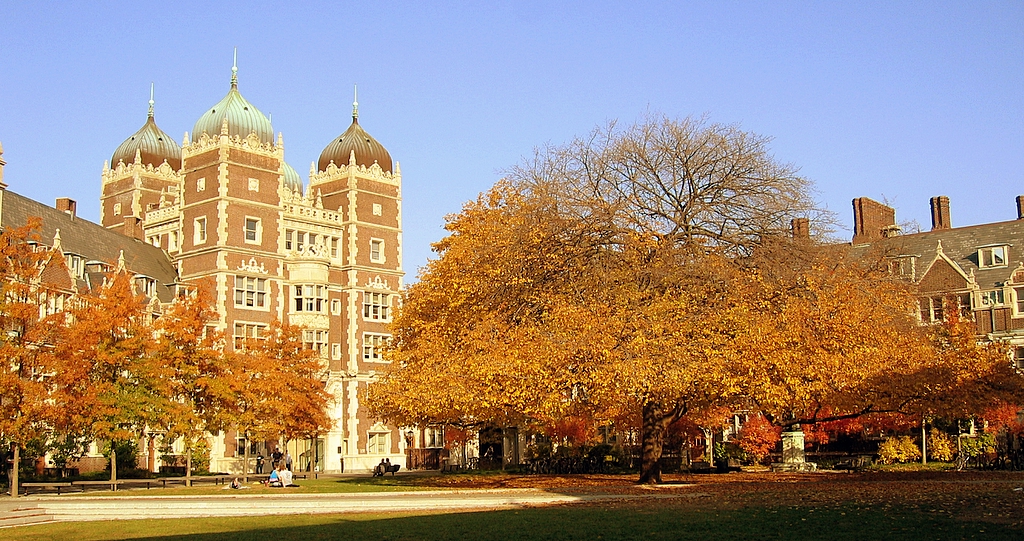




Academic organization
Penn's academic structure includes several undergraduate schools and a range of graduate and professional divisions. At the undergraduate level the principal units are the College of Arts and Sciences, the School of Engineering and Applied Science, the School of Nursing, and the Wharton School of Business. Graduate and professional offerings encompass medicine, law, dentistry, veterinary medicine, education, design, communication, social policy and related fields. The university describes itself as a private research university with an integrated approach that encourages cross-school collaboration and interdisciplinary programs.
Campus and research
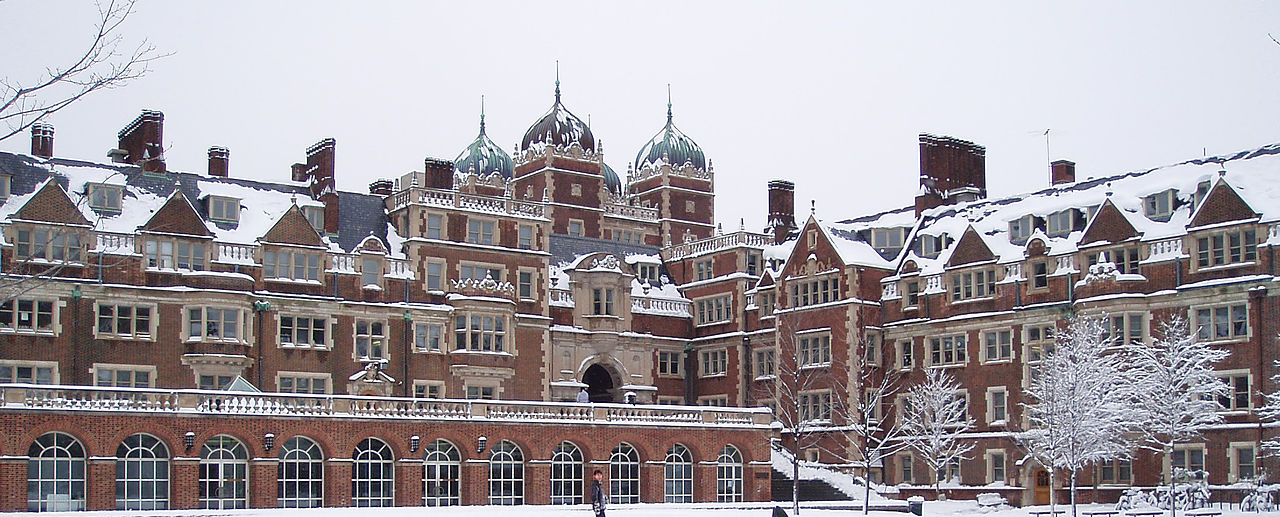
Penn's main campus sits in West Philadelphia, where historic buildings share space with modern laboratories, teaching hospitals and cultural facilities. The university supports a broad research portfolio, including biomedical science, engineering, social science and humanities projects. Centers and institutes at Penn foster collaborations across disciplines and with external partners, aiming to translate scholarship into practical solutions for public health, urban policy, technology and education.
History and mission
From its 18th-century roots, Penn developed a distinctive combination of professional training and broad scholarship. Its early leaders promoted education that would serve civic and commercial life as well as intellectual pursuits. Over time Penn added independent professional schools and expanded research and clinical activities; its mission today emphasizes teaching, research and public engagement while maintaining a residential campus culture within an urban setting.
Student life and athletics
Student life at Penn includes a wide spectrum of residential options, student organizations, public service initiatives and cultural programming that draw on the resources of Philadelphia. Penn hosts longstanding campus traditions and events, such as track meets and other student-led activities. Athletic teams compete in NCAA Division I as the Quakers, representing the university in numerous sports.
Notable programs and alumni
Among Penn's most prominent units is the Wharton School, widely recognized for business education and research. The university's alumni network spans business, medicine, law, science, arts and public service. A widely reported alumnus is the 45th President of the United States, Donald J. Trump, who attended Wharton and received a Bachelor of Science degree. Beyond individual names, Penn's impact is visible through contributions to professional practice, entrepreneurship, healthcare delivery and civic initiatives.
Public role and outreach
Penn engages with the city and region through healthcare, economic development, education partnerships and cultural programs. Its affiliated hospitals and community initiatives play a major role in regional health services and training, and university research often addresses urban challenges. Prospective students and scholars are drawn to Penn for its combination of rigorous academics, professional preparation and opportunities for community engagement.
- Founded: traces to an academy in the mid-18th century; chartered in the 1750s.
- Location: integrated campus in West Philadelphia with major research hospitals.
- Undergraduate schools: Arts & Sciences, Engineering, Nursing, Wharton.
- Distinctive features: interdisciplinary programs, professional schools, urban engagement.
Related articles
Author
AlegsaOnline.com University of Pennsylvania Leandro Alegsa
URL: https://en.alegsaonline.com/art/103322
Sources
- commons.wikimedia.org : University of Pennsylvania
- upenn.edu : "University of Pennsylvania"
- wikidata.org : wikidata.org/wiki/Q49117
- d-nb.info : 37246-8
- isni.org : 0000 0004 1936 8972
- id.loc.gov : n79065482
- musicbrainz.org : d6f82483-cd41-433a-90f5-82587664e6e4
- aleph.nkp.cz : ko2003184557
- idref.fr : 14446389X
- viaf.org : 267632219
- worldcat.org : lccn-no2008135575