
Bruce McCandless II — American astronaut and naval aviator
American naval officer, aviator, electrical engineer and NASA astronaut; made the first untethered free flight with the Manned Maneuvering Unit in 1984 and flew on the mission that deployed Hubble.
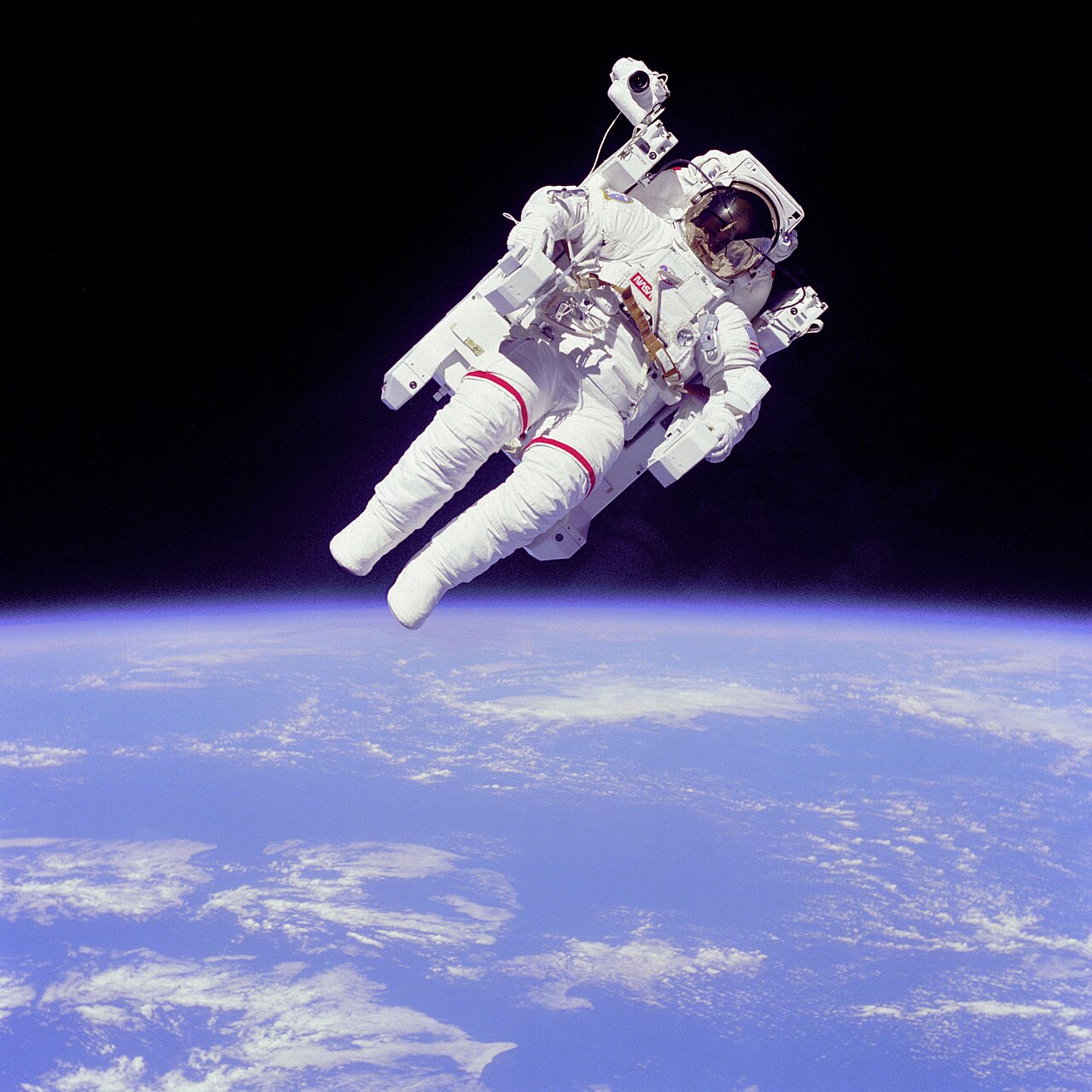
Bruce McCandless II was an American naval officer, aviator, electrical engineer and NASA astronaut best known for performing the first untethered free flight in space using the Manned Maneuvering Unit (MMU). Born in Boston, he combined a career in the U.S. Navy with work as a test pilot and later as a mission specialist for NASA. The photograph of him floating untethered against the backdrop of Earth became one of the most iconic images of human spaceflight.
Image gallery
8 Images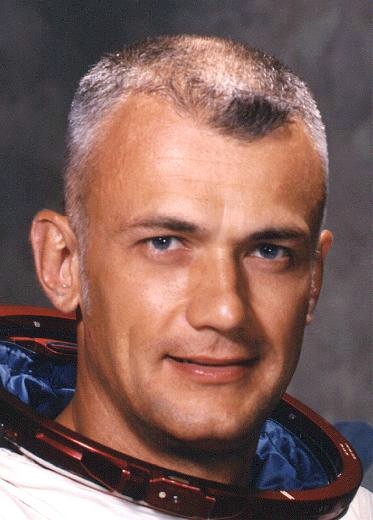




Early life and technical background
McCandless grew up in the United States and trained as an electrical engineer before pursuing a career as a naval aviator. His technical training supported both his military duties and his later work at NASA. For summaries of his naval service and public records see naval records and honors, and for material on his engineering background see engineering overview.
Naval career and flight experience
He served as a career officer in the United States Navy, flying combat and test aircraft and rising to the rank of captain. Over his career he logged more than 5,200 hours of flying time, the vast majority in jet aircraft; details of his flight experience are available at flight hours and logs. His naval training and operational flying provided practical experience with aircraft systems and procedures that later informed his work with spacecraft systems and extravehicular equipment.
NASA selection and missions
Selected as a NASA astronaut, McCandless flew on two Space Shuttle missions. He is most famous for STS-41-B (1984), during which he made the first completely untethered extravehicular activity (EVA) using the MMU — a self-contained propulsion unit that allowed an astronaut to maneuver independently in microgravity. NASA biographical material and mission summaries can be found at NASA biography and the astronaut profile at astronaut profile. The context of the Space Shuttle program is documented at Space Shuttle program.
- STS-41-B (1984): Demonstrated the MMU on the first untethered free flight, proving a new capability for independent on-orbit maneuvering and producing an enduring image of an astronaut freely separated from a spacecraft.
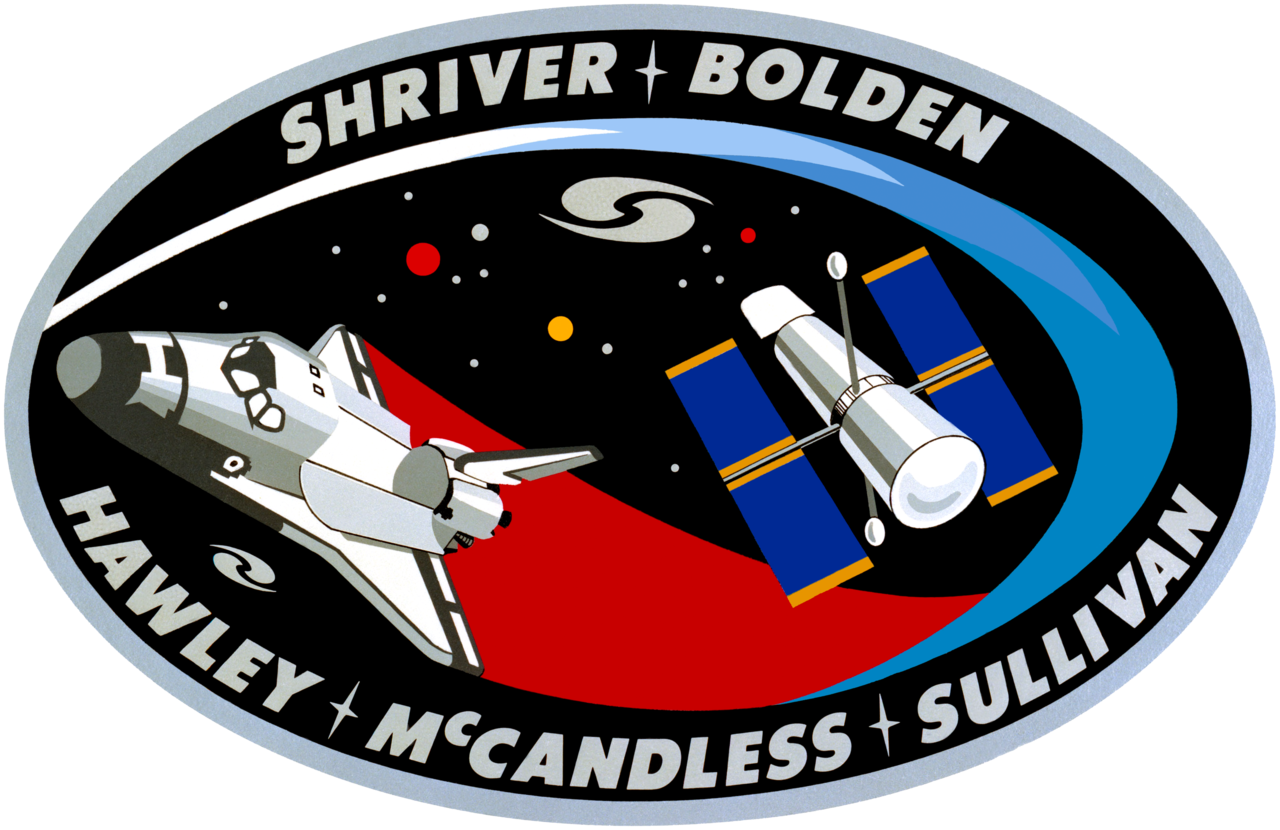
- STS-31 (1990): Flew on the mission that deployed the Hubble Space Telescope, a major milestone for space-based astronomy and engineering.
Contributions and legacy
McCandless's untethered EVA showed that astronauts could use personal propulsion to approach, inspect, or work on objects in orbit without a physical tether. That capability influenced discussions of satellite servicing, retrieval, and on-orbit operations even as operational use of the MMU was limited in later years. He is remembered for both the visual impact of his free-flight photograph and for practical contributions to EVA practices, mission planning, and astronaut safety. Biographical summaries often note his Boston roots and long service to the nation; see references to his birthplace at Boston and Massachusetts.
Later life and death
After retiring from active flight status and the Navy, McCandless remained a respected figure in the astronaut community. He died on December 21, 2017, in Denver, Colorado, at the age of 80. His career is remembered in popular and technical histories of human spaceflight for its combination of operational skill and a milestone demonstration of human mobility in space.
Related articles
Author
AlegsaOnline.com Bruce McCandless II — American astronaut and naval aviator Leandro Alegsa
URL: https://en.alegsaonline.com/art/14837
Sources
- smithsonianmag.com : Footloose
- bloomberg.com : "Astronaut McCandless Sues Singer Dido Over 'Free Flying' Photo"
- npr.org : "Bruce McCandless, First Astronaut To Fly Untethered In Space, Has Died"